

Bouw- en infrastructuurprojecten werken met veranderende werkzones, tijdelijke terreinindelingen en blootgestelde buitenomstandigheden. JEL Products ontwikkelt verlichtingssystemen voor bouwplaatsen, civiele werken, opslagterreinen, kraanzones, tijdelijke toegangswegen en permanente infrastructuuromgevingen waar zichtbaarheid, veiligheid, robuustheid en projectcontinuïteit direct invloed hebben op het werk.
Verlichting op bouw- en infrastructuurlocaties is zelden statisch. Werkzones verschuiven, toegangswegen veranderen, kranen worden verplaatst, materialen worden tijdelijk opgeslagen en verschillende disciplines werken op verschillende momenten in hetzelfde gebied.
Een robuust verlichtingsontwerp ondersteunt veilige verplaatsing, duidelijke herkenning, betrouwbare taakverlichting en minimale verstoring gedurende de volledige projectcyclus.
Typische uitdagingen
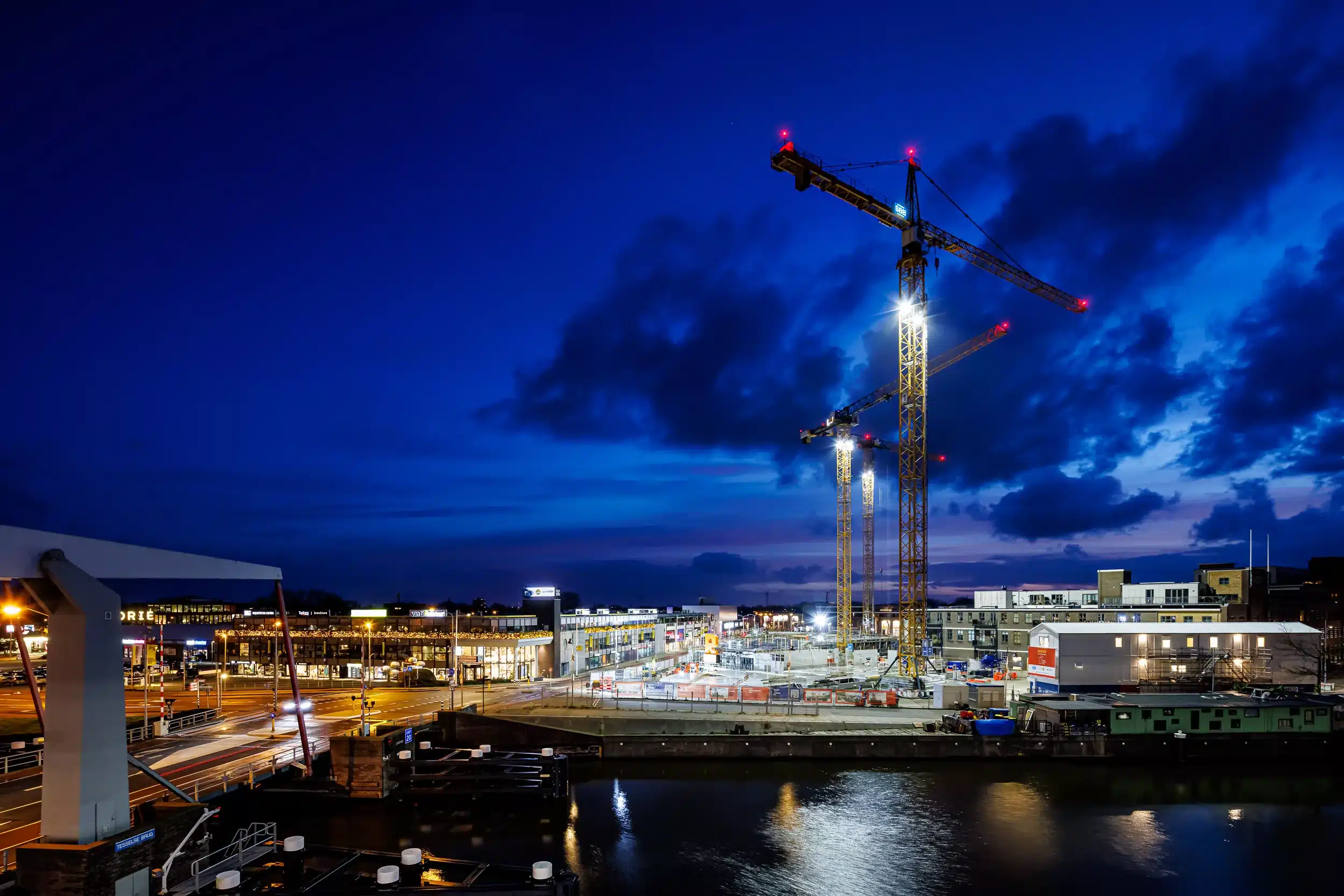
JEL Products ontwerpt en levert industriële verlichtingssystemen voor bouwplaatsen, civiele infrastructuurprojecten, buitenwerkzones, opslagterreinen, kraanzones en permanente buitenassets.
Bouwplaatsen, civiele werken, weg- en brugprojecten, bouwketenterreinen, opslagterreinen, kraanzones, toegangswegen, tijdelijke werkgebieden en permanente buiteninfrastructuur.
Lichtontwerp, mastindeling, tijdelijke en permanente positionering, verblindingsbeheersing, armatuurselectie, voedingsintegratie, besturing, installatieondersteuning en onderhoudsstrategie.
Regen, wind, stof, modder, trilling, impact, tijdelijke toegang, veranderende terreinindelingen, beperkte installatietijd en hoge veiligheidseisen.
Aannemers, infrabedrijven, gemeenten, asset owners, projectteams, kraanoperators, uitvoerders, veiligheidskundigen en projectleiders die werken aan tijdelijke of permanente verlichtingsprojecten.
Woonhuisverlichting, decoratieve gevelverlichting, retail-bouwlampen, webshopvervanging of projecten waarbij uitsluitend de laagste initiële aanschafprijs leidend is.
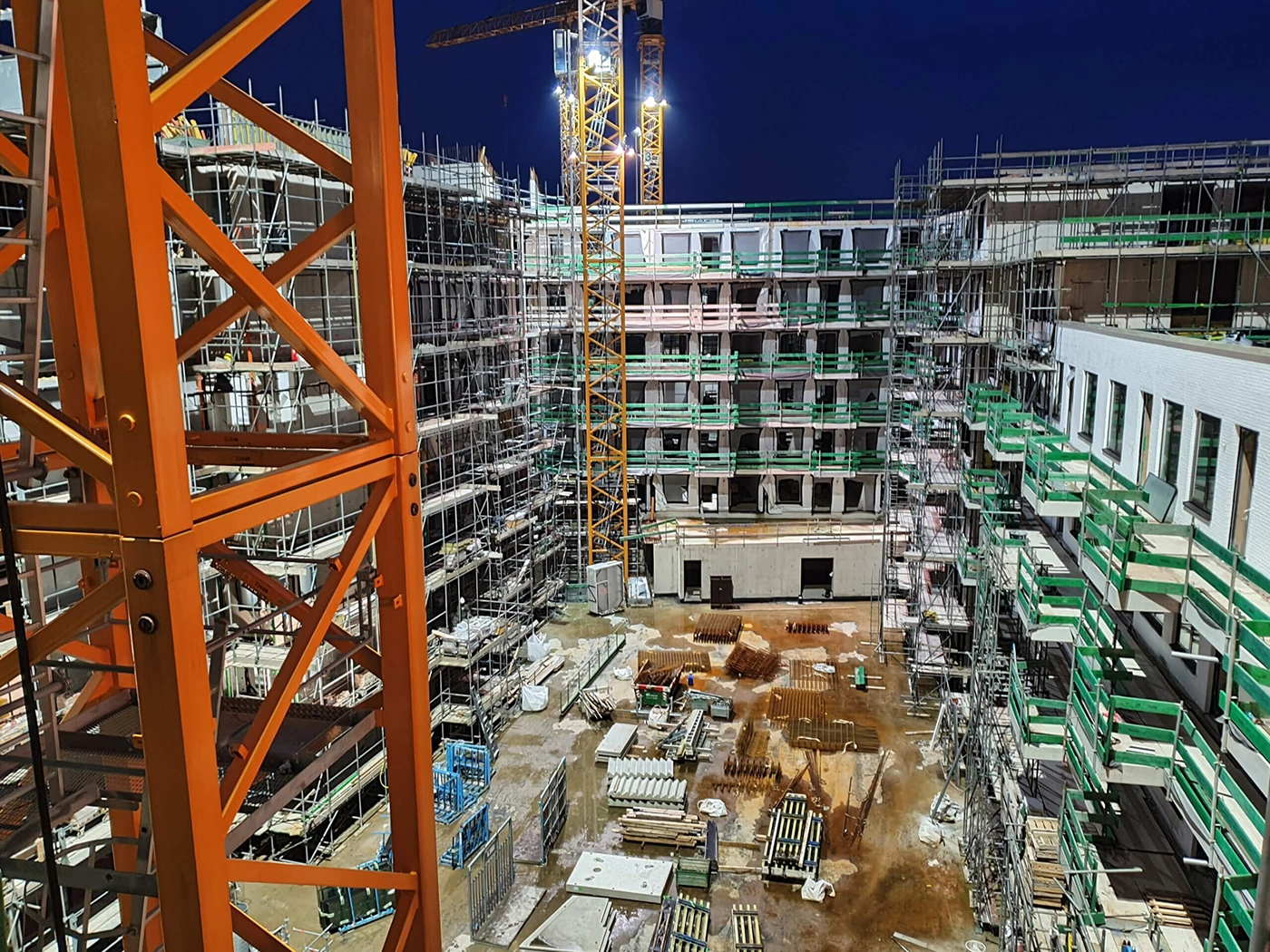
Bouwplaatsverlichting moet veilige verplaatsing van mensen, machines en voertuigen ondersteunen. Slecht geplaatste verlichting kan verblinding, donkere randen, verwarrende schaduwen of onveilig contrast veroorzaken tussen actieve werkzones en toegangswegen.
Verlichting is een functionele veiligheidsfactor op bouwplaatsen. Mensen, machines, voertuigen en tijdelijke opslaggebieden werken vaak dicht op elkaar, terwijl de indeling van de locatie gedurende het project verandert.
Een goede verlichtingsopstelling vermindert donkere randen, verwarrende schaduwen en verblinding richting operators of verkeersroutes. Het doel is niet simpelweg meer licht, maar het herkenbaar maken van mensen, materieel, randen, obstakels en werkzones.
In de praktijk heeft een bouwplaats verlichting nodig die veilige beweging, duidelijke oriëntatie en betrouwbare taakzichtbaarheid ondersteunt tijdens vroege ochtenduren, avondwerk en nachtelijke werkzaamheden.

Bouwplaatsen veranderen continu. Verlichtingsposities die in één fase goed werken, kunnen in een volgende fase ineffectief of hinderlijk worden. De verlichtingsaanpak moet kunnen meebewegen met veranderende toegang, kraanposities, opslagzones en werkfronten.
Bouwplaatsen zijn tijdelijk van aard, maar de verlichting moet alsnog technisch worden ontworpen. Een layout die in de ene fase goed werkt, kan ongeschikt worden zodra kranen, opslagzones, steigers of toegangswegen veranderen.
Een veerkrachtige verlichtingsaanpak houdt vanaf het begin rekening met projectfasering. Mastposities, montagepunten, kabelroutes en schakelgroepen moeten het mogelijk maken om het systeem aan te passen zonder onnodige verstoring.
Dit verlaagt het risico op slecht verlichte werkgebieden, herhaald noodwerk en onveilige zichtgaten tijdens kritieke projectfasen.
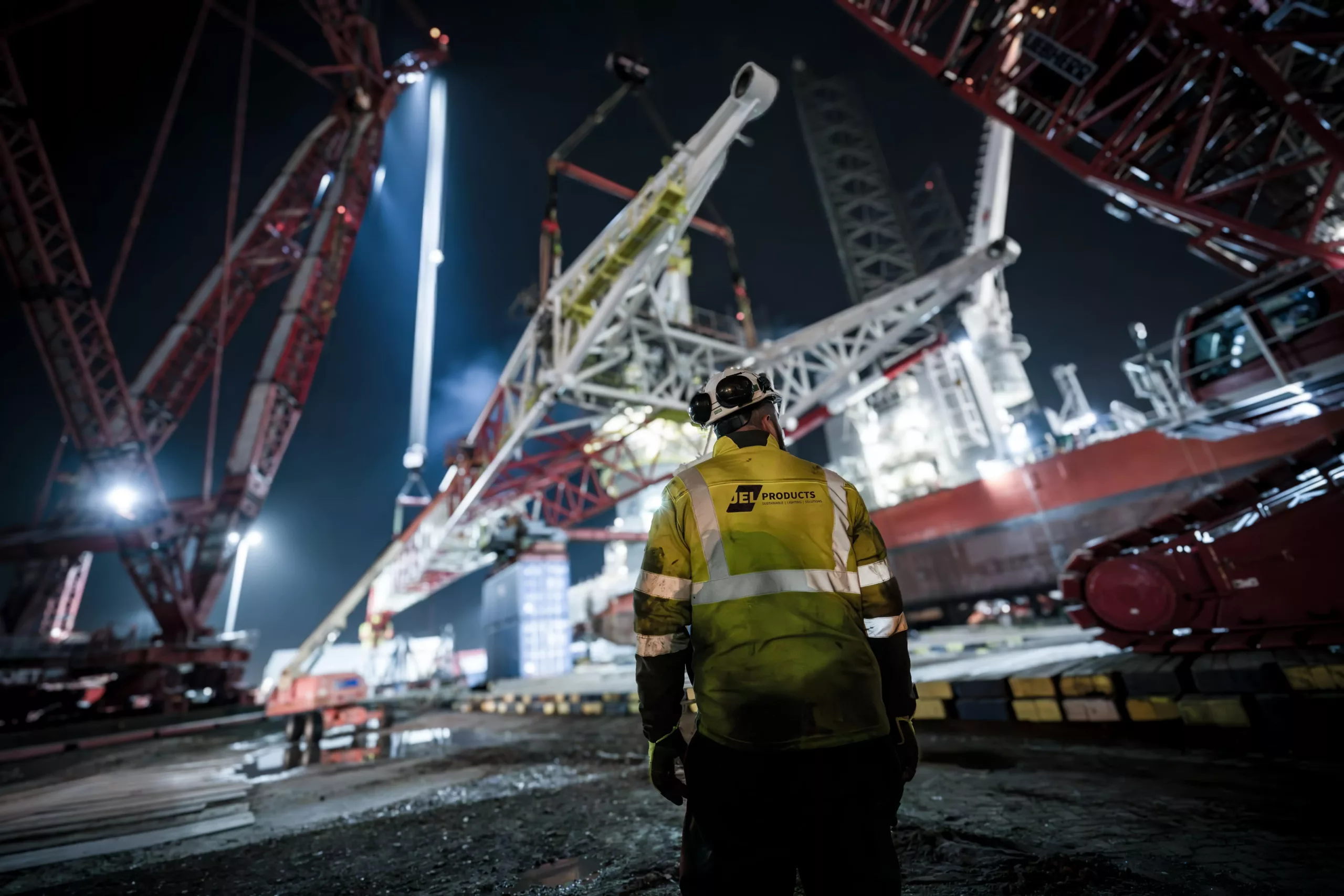
Hijswerkzaamheden vragen om voorspelbare zichtbaarheid, dieptewaarneming en verblindingsbeheersing. Operators, riggers en grondteams moeten lasten, randen, seinen en bewegingen onder wisselende omstandigheden goed kunnen herkennen.
Kraan- en hijszones vragen om voorspelbare zichtbaarheid voor operators, riggers, chauffeurs en grondteams. Lasten, hijsroutes, seinen, randen en omliggend materieel moeten ook bij veranderende terreincondities duidelijk zichtbaar blijven.
Slecht geplaatste verlichting kan verblinding in kraancabines veroorzaken, diepe schaduwen onder lasten maken of visuele verwarring geven tussen lichte en donkere zones. Het lichtontwerp moet dieptewaarneming, lastherkenning en veilige communicatie rond de hijszone ondersteunen.
Bij kraantoepassingen zijn armatuurpositie, lichtbundelbeheersing, trillingsbestendigheid en praktische onderhoudstoegang minstens zo belangrijk als lichtopbrengst.
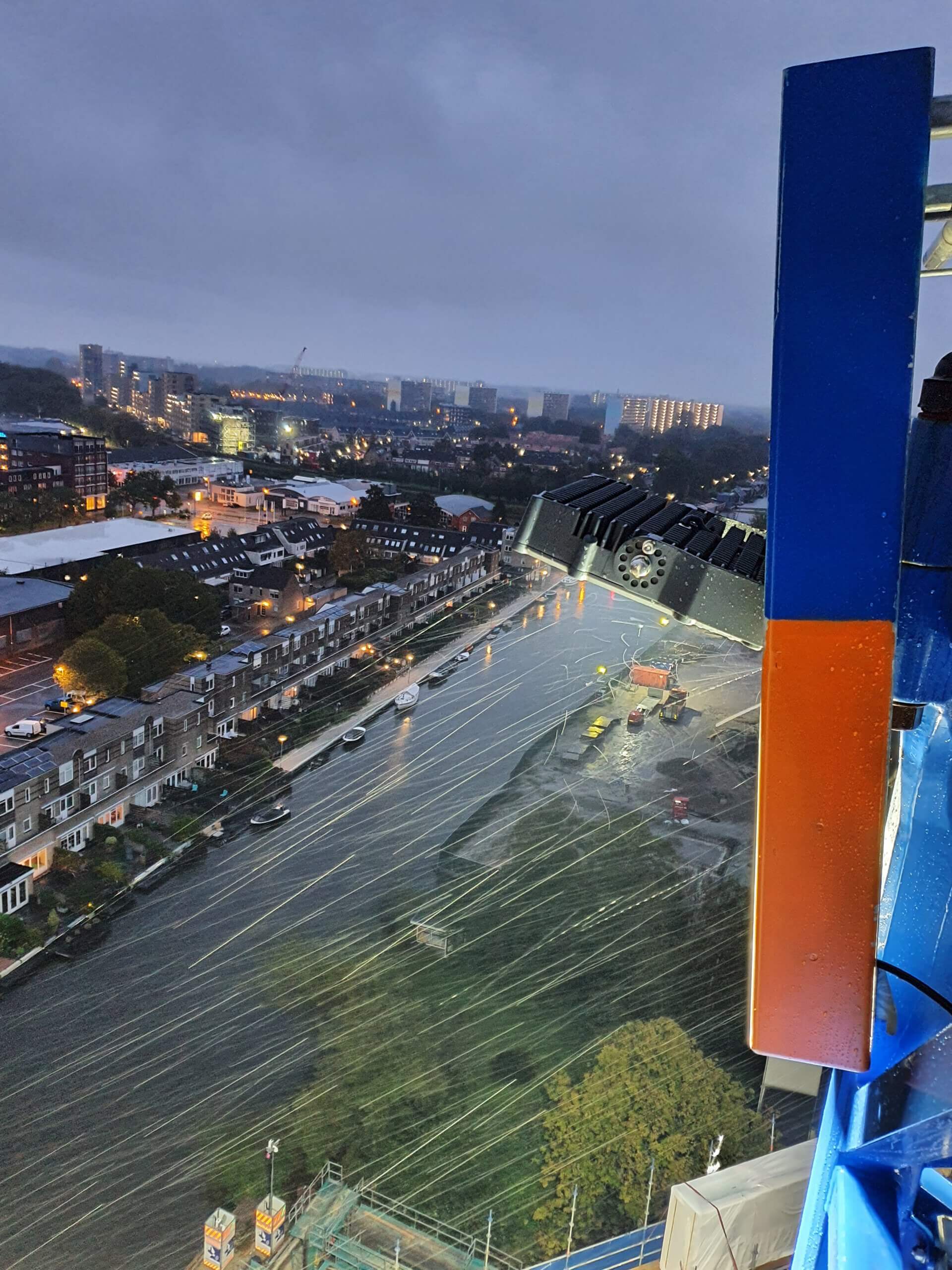
Infrastructuurverlichting blijft vaak jarenlang staan. Materiaalkeuze, corrosiebestendigheid, afdichting, impactbestendigheid en toegang voor onderhoud bepalen of het systeem ook na installatie betrouwbaar blijft functioneren.
Infrastructuurprojecten en langdurige bouwprojecten stellen verlichting bloot aan regen, wind, stof, modder, trilling, impact en frequente verplaatsingen op de bouwplaats. Standaard buitenverlichting is vaak niet ontworpen voor dit type operationele omgeving.
Materiaalkeuze, IP-classificatie, IK-classificatie, afdichting, montagemethode en corrosiebestendigheid beïnvloeden de betrouwbaarheid op lange termijn. Voor permanente infrastructuurassets moeten onderhoudstoegang en inspectieplanning al in de ontwerpfase worden meegenomen.
Het doel is een verlichtingssysteem dat voorspelbaar blijft gedurende de volledige project- of assetlevenscyclus, niet alleen een installatie die tijdens de eerste plaatsing goed presteert.
Ontdek de belangrijkste bouw- en infrastructuurtoepassingen waarbij lichtprestaties, integratie en levensduurstrategie duidelijk van elkaar verschillen.
Verlichting voor actieve bouwzones, materiaalverwerking, bouwketenterreinen en tijdelijke werkgebieden waar terreinindeling, materieel, looproutes en projectfasen voortdurend veranderen.

Verlichting voor torenkranen, mobiele kranen, hijszones en zwaar materieel waar zichtlijnen vanuit de cabine, lastherkenning, grondteamveiligheid en trillingsbestendige montage bepalend zijn.
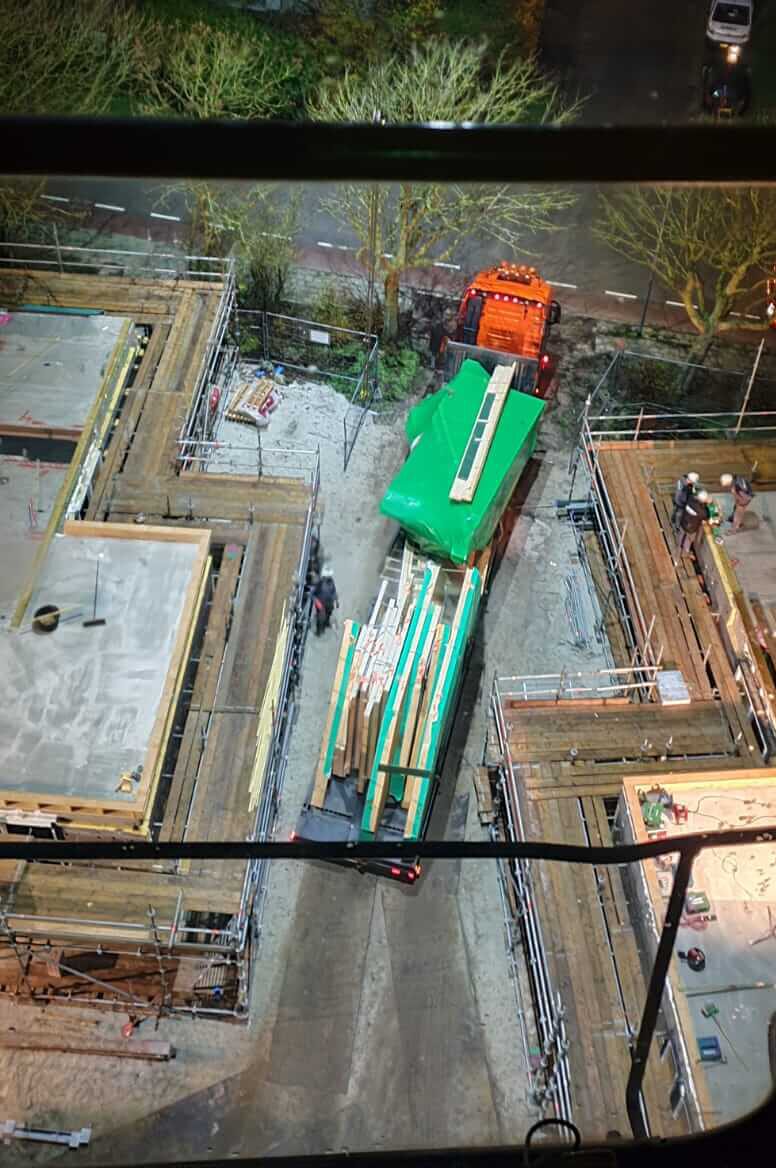
Verlichting voor interne bouwwegen, voetgangersroutes, laad- en loszones, bouwplaatsentrees en logistieke zones waar voertuigen, mensen en materieel door dezelfde omgeving bewegen.
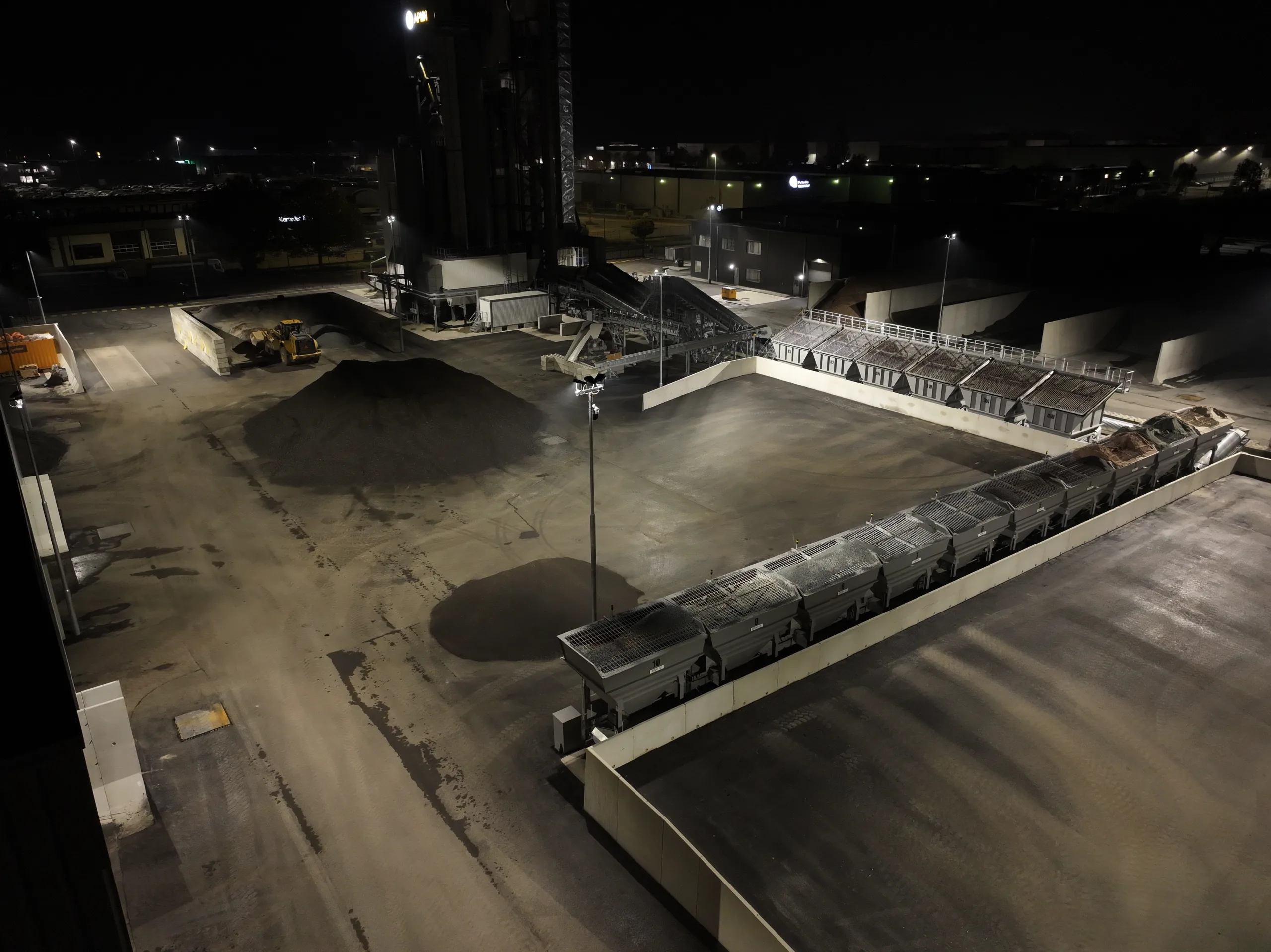
Verlichting voor materiaalopslag, prefab elementen, containers, materieelparkering en tijdelijke logistieke terreinen waar indelingen vaak wijzigen en zichtbaarheid praktisch inzetbaar moet blijven.

Verlichting voor infrastructuurprojecten waar tijdelijke werkzaamheden, permanente assets, verkeersinterfaces en buitenbelasting vragen om gecontroleerde en betrouwbare verlichting.

Verlichting voor werkplaatsen, bouwketen, technische ruimtes, platforms, inspectiezones en serviceroutes waar nauwkeurige taakzichtbaarheid en eenvoudige onderhoudstoegang belangrijk zijn.
Verlichtingsprojecten in bouw en infrastructuur zijn zelden afhankelijk van één type armatuur. Werkzoneverlichting, kraanverlichting, toegangswegen, tijdelijke masten, voeding en besturing moeten samenwerken als één praktisch bouwplaatssysteem.
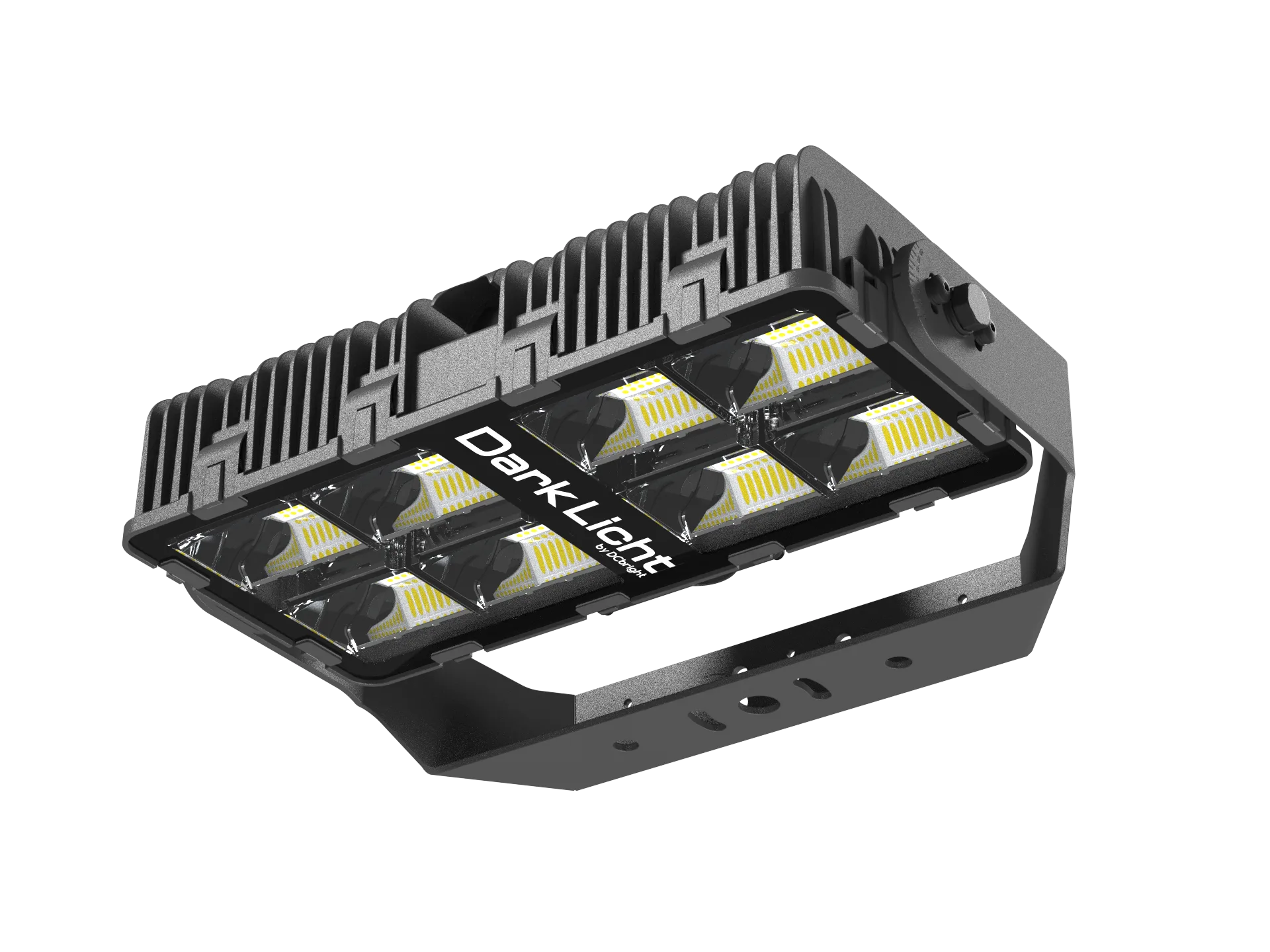
Voor bouwgebieden waar veilige beweging, obstakelherkenning, taakzichtbaarheid en flexibele positionering essentieel zijn.
Typische scope:

Voor torenkranen, mobiele kranen en hijszones waar zichtbaarheid, trillingsbestendigheid, montagepositie en operatorcomfort het lichtresultaat bepalen.
Typische scope:

Voor projecten waar verlichting tijdens verschillende bouwfasen moet worden geplaatst, verplaatst of uitgebreid.
Typische scope:

Voor buitenassets waar langdurige betrouwbaarheid, corrosiebestendigheid, afdichting en onderhoudstoegang belangrijker zijn dan snelheid van een tijdelijke installatie.
Typische scope:
Verlichtingsproject voor de PTC210-DS van Mammoet, destijds de grootste landkraan ter wereld. Met slechts vijf zorgvuldig gepositioneerde armaturen realiseerde JEL Products een gerichte kraanverlichtingsopstelling voor grootschalige hijswerkzaamheden onder veeleisende locatieomstandigheden.
Kraanverlichtingssystemen
Rotterdam, Nederland
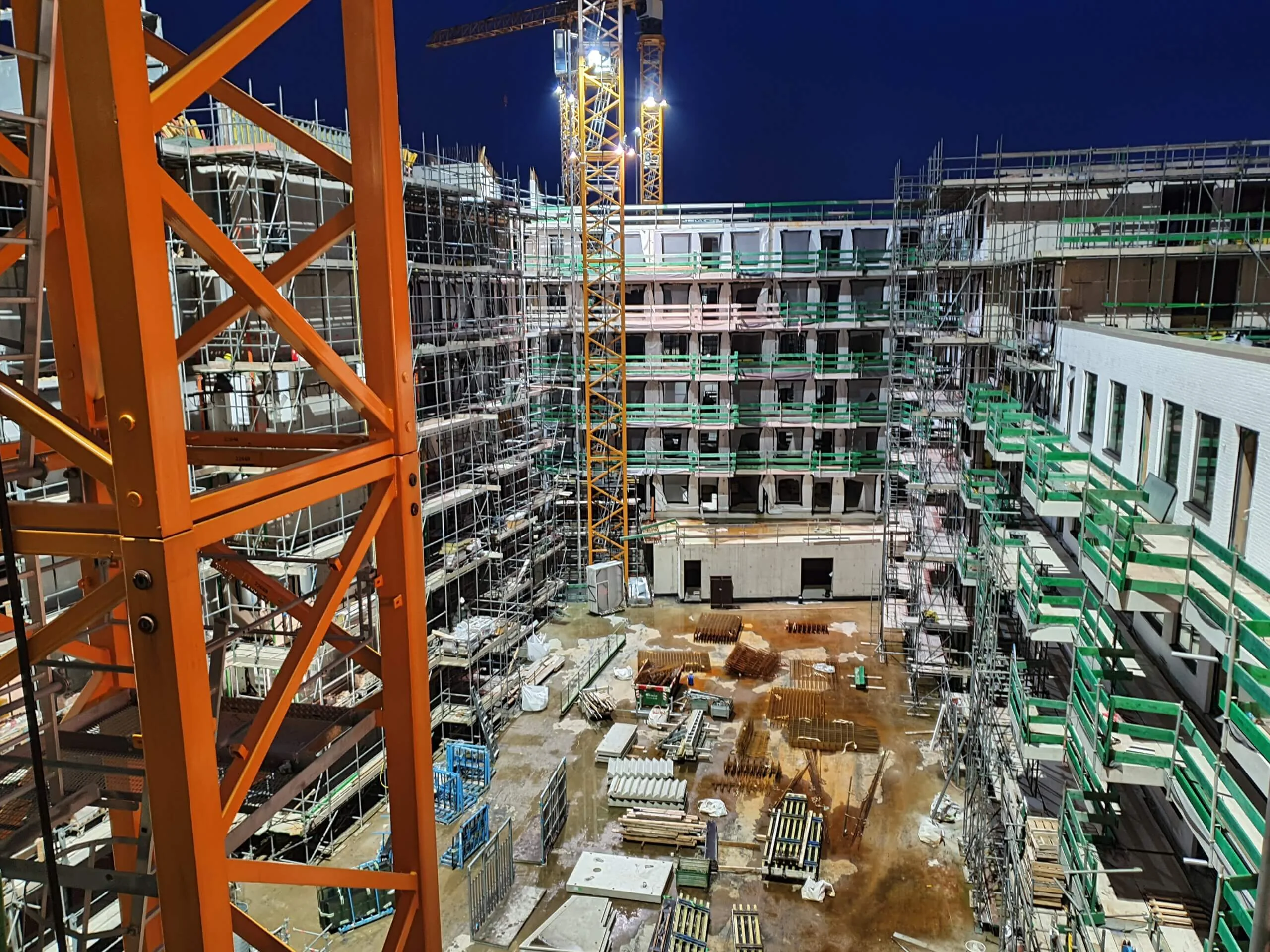
Vlootbrede upgrade van torenkraanverlichting voor Van der Spek in Vianen en Ternat. JEL Products ondersteunde de overstap naar robuuste, efficiënte kraanverlichtingssystemen, ontworpen rond operatorzicht, praktische montage en langdurig gebruik op meerdere typen torenkranen.
Torenkraanverlichting
Benelux, Europa
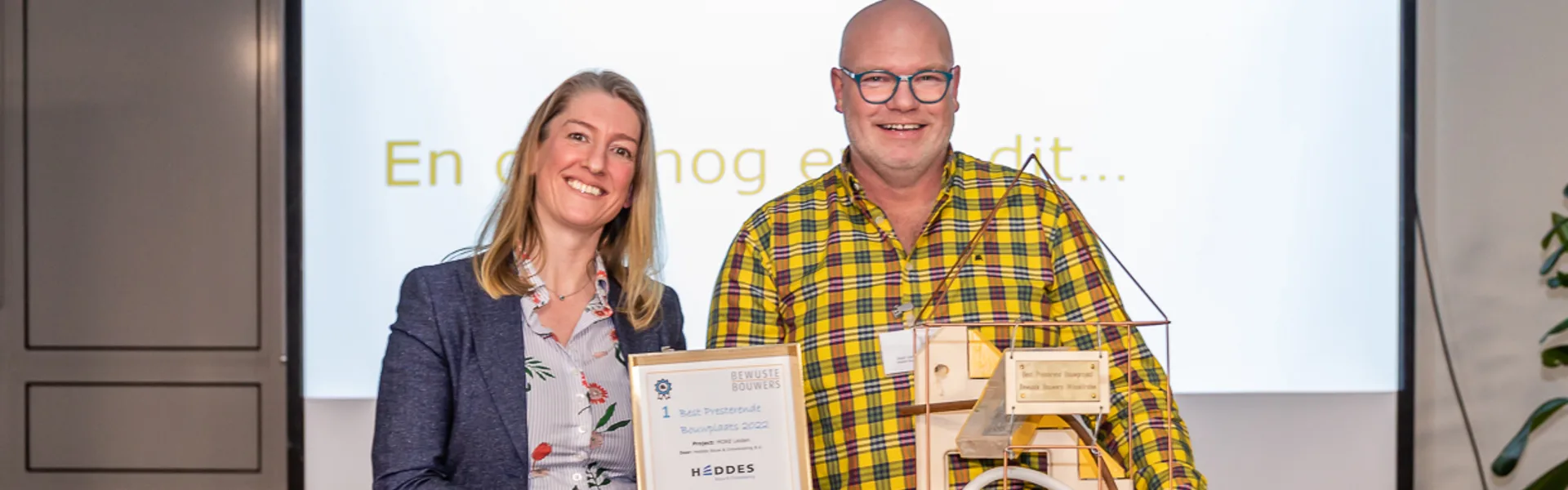
Bekroonde torenkraanverlichting voor bouwplaats MORE 1 & 2 in Leiden, in samenwerking met Ballast Nedam Materieel en Heddes. Door DarkLicht-armaturen in de torenkranen schijnt het licht uitsluitend op de bouwplaats, met 73% energiebesparing en minimale hinder voor omwonenden en natuur. Daarmee werd het project uitgeroepen tot Best Presterende Bouwplaats van Nederland.
Bouwplaats verlichting
Leiden, Nederland
Bewezen in operationele omgevingen. U hoeft ons niet op ons woord te geloven; vraag het onze klanten.









Bouwplaatsverlichting moet zich aanpassen aan veranderende werkzones, tijdelijke toegangswegen, machines, kranen, opslaggebieden en projectfasen. De verlichting moet veiligheid en productiviteit ondersteunen en tegelijk robuust blijven onder zware buitencondities.
Ja. Ook tijdelijke verlichting vraagt om juiste positionering, verblindingsbeheersing, veilige voedingsintegratie en praktische onderhoudstoegang. Slechte tijdelijke verlichting kan veiligheidsrisico’s en vertragingen veroorzaken.
Werkzones, kraangebieden, toegangswegen, voetgangersroutes, opslagzones, laad- en losgebieden, bouwketenterreinen en onderhoudszones vragen ieder om een eigen verlichtingsaanpak.
Verblinding kan kraanoperators, chauffeurs, machineoperators en grondpersoneel beïnvloeden. Gecontroleerde optiek en correcte richtstanden verbeteren zichtbaarheid en verminderen visuele vermoeidheid tijdens ochtend-, avond- en nachtwerk.
Nee. Mobiele lichtmasten kunnen nuttig zijn voor kortdurende werkzaamheden, maar vaste of semi-permanente mastensystemen kunnen bij langere projecten betere gelijkmatigheid, minder verblinding, hogere betrouwbaarheid en minder verstoring op de bouwplaats opleveren.
Soms. Dit hangt af van mastposities, constructieve eisen, kabelroutes, besturingsstrategie, armatuurselectie en het uiteindelijke gebruik van de locatie. Dit moet tijdens de engineeringfase worden beoordeeld.
Belangrijke specificaties zijn lichtopbrengst, optieken, montagehoogte, IP-classificatie, IK-classificatie, trillingsbestendigheid, corrosiebestendigheid, verblindingsbeheersing, voeding, besturingsmogelijkheden en onderhoudstoegang.
Zoekt u een robuuste verlichtingsoplossing voor een bouwplaats, civiel infrastructuurproject, kraanzone, tijdelijk terrein of permanente buitenasset?
JEL Products helpt aannemers, infrabedrijven, gemeenten en engineeringteams bij het bepalen van de juiste verlichtingsaanpak op basis van werkzones, mastposities, verblindingsbeheersing, locatiebelasting, voedingsinfrastructuur, onderhoudstoegang en projectfasering.
Uw aanvraag wordt inhoudelijk beoordeeld door ons technische team.
Wij reageren normaal gesproken binnen één werkdag.
+31(0)33 785 9809
Wij gebruiken uw gegevens uitsluitend om uw aanvraag inhoudelijk te beoordelen en passend te reageren.