

Construction and infrastructure projects involve changing work zones, temporary site layouts, and exposed outdoor conditions. JEL Products develops lighting systems for construction sites, civil engineering projects, storage yards, crane zones, temporary access roads, and permanent infrastructure environments where visibility, safety, durability, and project continuity directly impact the work.
Lighting on construction and infrastructure sites is rarely static. Work zones shift, access routes change, cranes are moved, materials are temporarily stored, and different disciplines work in the same area at different times.
A robust lighting design supports safe movement, clear recognition, reliable task lighting, and minimal disruption throughout the entire project lifecycle.
Typical challenges
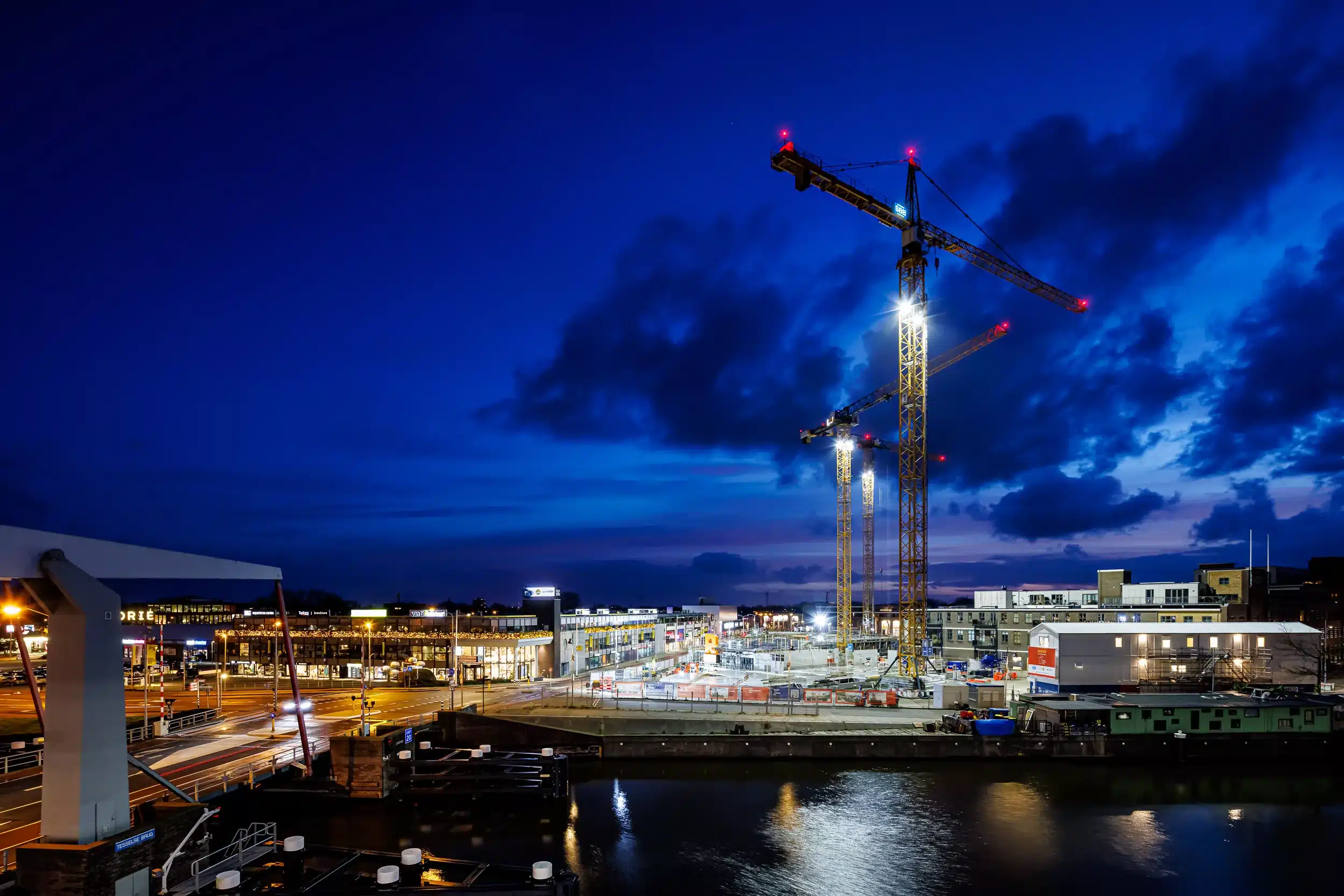
JEL Products designs and supplies industrial lighting systems for construction sites, civil infrastructure projects, outdoor work zones, storage yards, crane zones, and permanent outdoor assets.
Construction sites, civil works, road and bridge projects, construction site offices, storage areas, crane zones, access roads, temporary work areas, and permanent outdoor infrastructure.
Lighting design, mast layout, temporary and permanent positioning, glare control, luminaire selection, power integration, control, installation support, and maintenance strategy.
Rain, wind, dust, mud, vibration, impact, temporary access, changing site layouts, limited installation time, and high safety requirements.
Contractors, infrastructure companies, municipalities, asset owners, project teams, crane operators, site managers, safety experts, and project leaders working on temporary or permanent lighting projects.
Residential lighting, decorative facade lighting, retail floodlights, webshop replacements, or projects where only the lowest initial purchase price is the deciding factor.
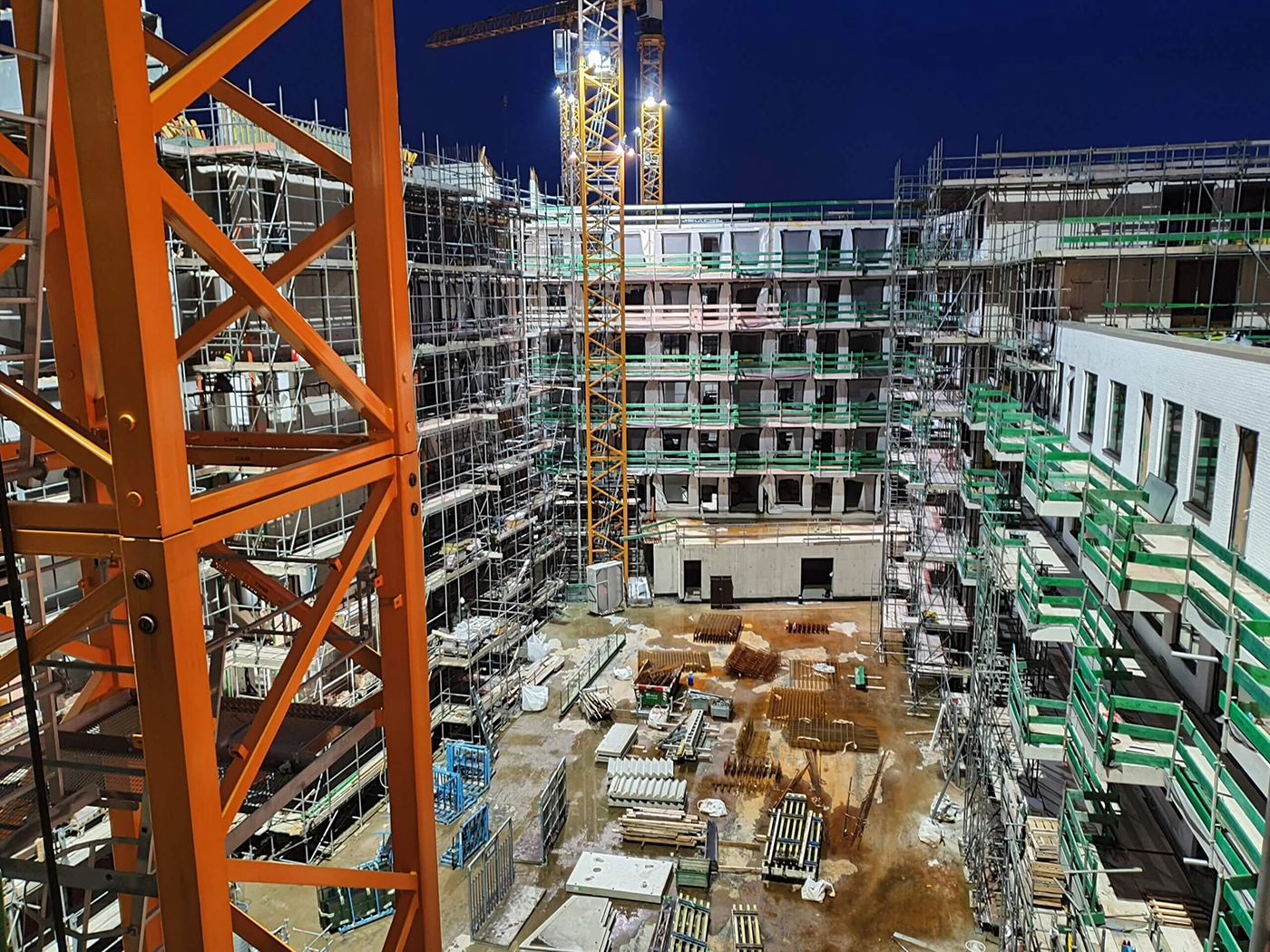
Construction site lighting must support the safe movement of people, machines, and vehicles. Poorly placed lighting can cause glare, dark edges, confusing shadows, or unsafe contrast between active work zones and access routes.
Lighting is a functional safety factor on construction sites. People, machinery, vehicles, and temporary storage areas often work in close proximity, while the site layout changes throughout the project.
A good lighting setup reduces dark edges, confusing shadows, and glare towards operators or traffic routes. The goal is not simply more light, but making people, equipment, edges, obstacles, and work zones recognizable.
In practice, a construction site requires lighting that supports safe movement, clear orientation, and reliable task visibility during early morning hours, evening work, and nighttime operations.
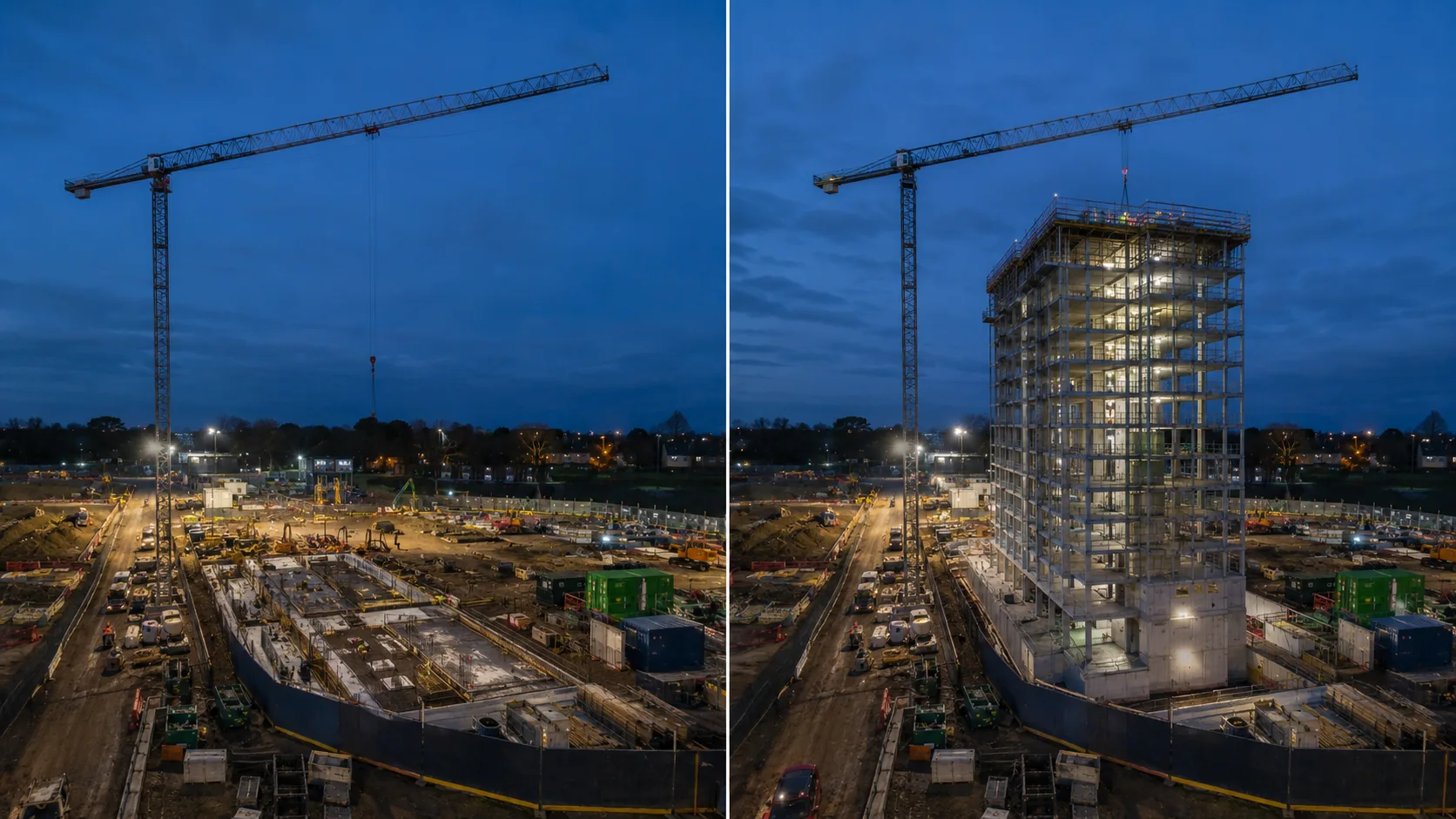
Construction sites are constantly changing. Lighting positions that work well in one phase can become ineffective or bothersome in a subsequent phase. The lighting approach must be able to adapt to changing access, crane positions, storage areas, and work fronts.
Construction sites are temporary by nature, but lighting must still be technically designed. A layout that works well in one phase may become unsuitable as cranes, storage areas, scaffolding, or access roads change.
A resilient lighting approach takes project phasing into account from the outset. Mast positions, mounting points, cable routes, and switching groups must allow for system adaptation without unnecessary disruption.
This reduces the risk of poorly lit work areas, repeated emergency work, and unsafe sightlines during critical project phases.
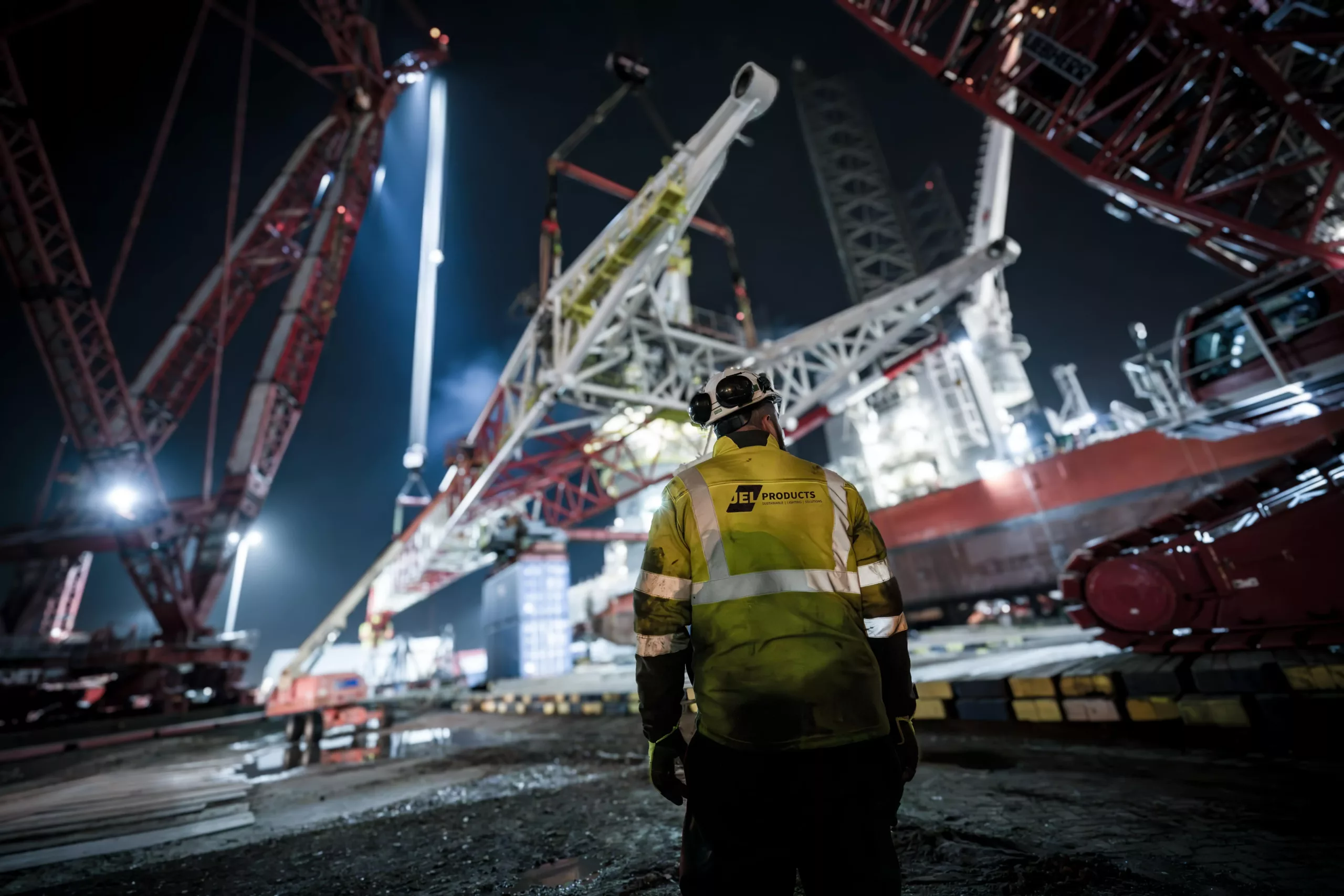
Lifting operations require predictable visibility, depth perception, and glare control. Operators, riggers, and ground teams must be able to clearly recognize loads, edges, signals, and movements under varying conditions.
Crane and lifting zones require predictable visibility for operators, riggers, drivers, and ground crews. Loads, hoisting paths, signals, edges, and surrounding equipment must also remain clearly visible under changing terrain conditions.
Poorly placed lighting can cause glare in crane cabs, create deep shadows under loads, or lead to visual confusion between light and dark zones. The lighting design should support depth perception, load recognition, and safe communication around the lifting zone.
For crane applications, fixture position, beam control, vibration resistance, and practical maintenance access are at least as important as light output.
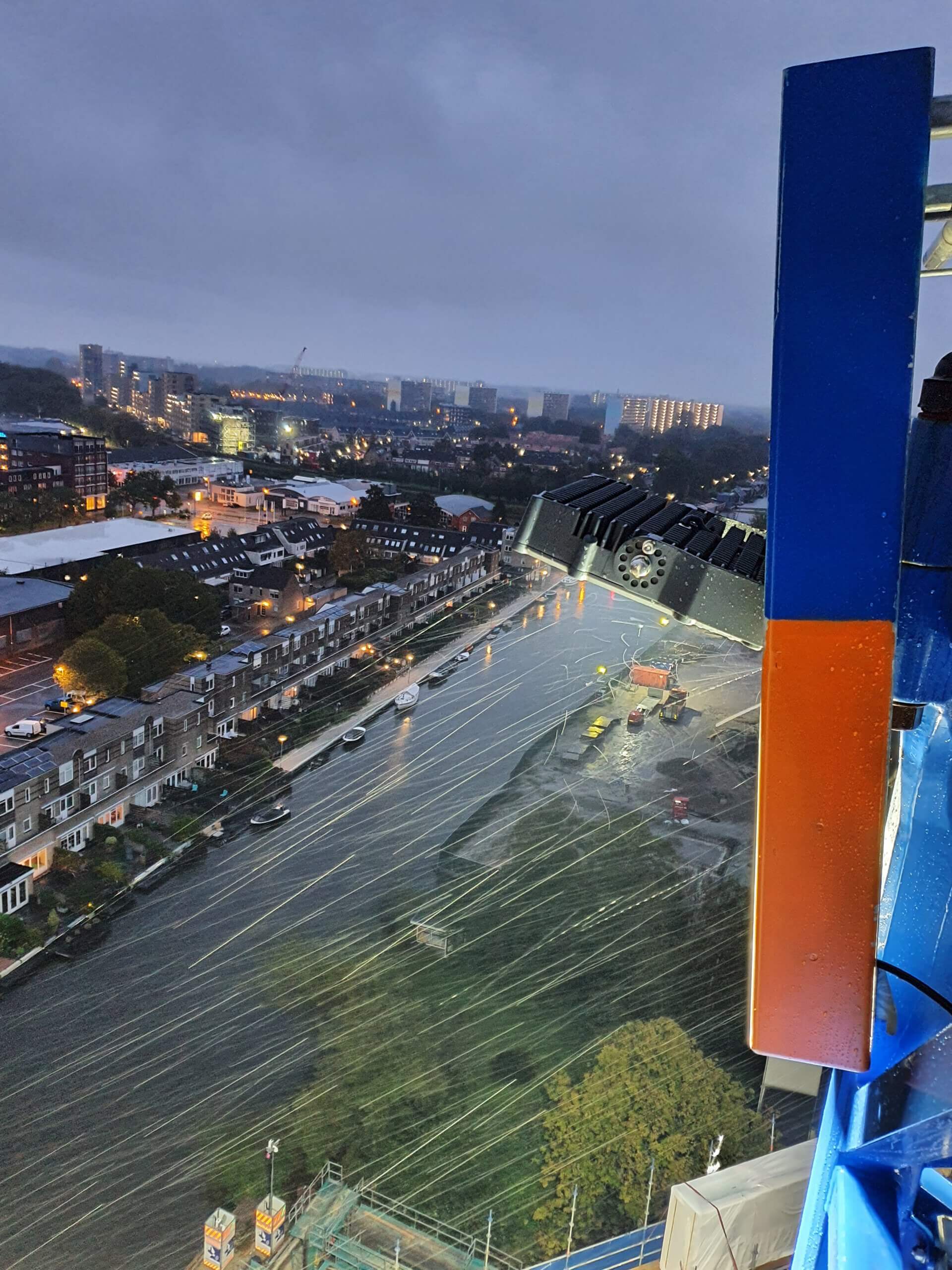
Infrastructure lighting often remains in place for years. Material choice, corrosion resistance, sealing, impact resistance, and access for maintenance determine whether the system continues to function reliably after installation.
Infrastructure projects and long-term construction projects expose lighting to rain, wind, dust, mud, vibration, impact, and frequent relocation on the construction site. Standard outdoor lighting is often not designed for this type of operational environment.
Material selection, IP rating, IK rating, sealing, mounting method, and corrosion resistance influence long-term reliability. For permanent infrastructure assets, maintenance access and inspection planning should be considered from the design phase.
The goal is a lighting system that remains predictable throughout the entire project or asset lifecycle, not just an installation that performs well at initial placement.
Discover the most important construction and infrastructure applications where light performance, integration, and lifespan strategies clearly differ.

Lighting for active construction sites, material handling, construction site compounds, and temporary work areas where site layout, equipment, walkways, and project phases are constantly changing.
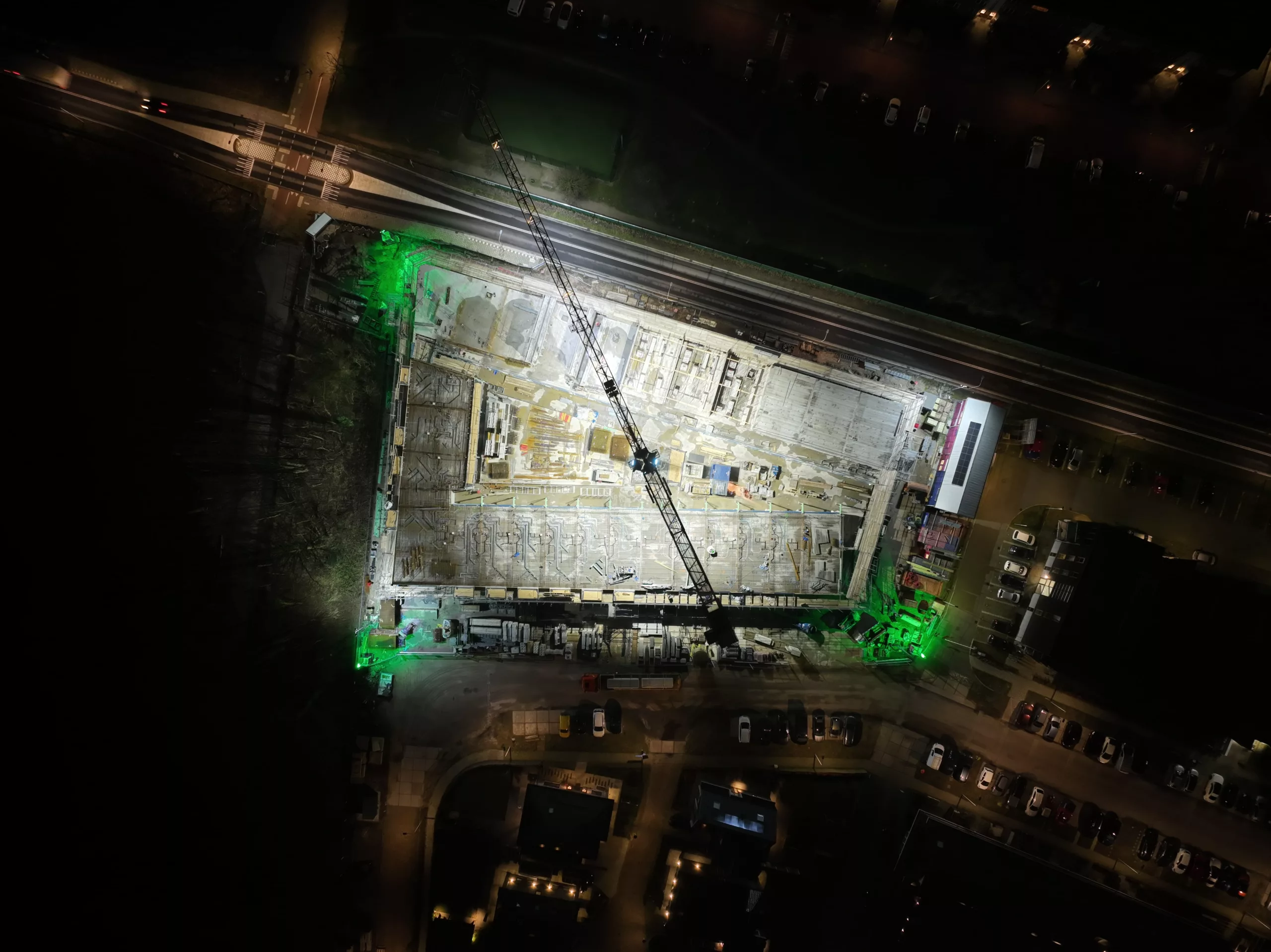
Lighting for tower cranes, mobile cranes, lifting zones, and heavy equipment where visibility from the cabin, load recognition, ground team safety, and vibration-resistant mounting are critical.
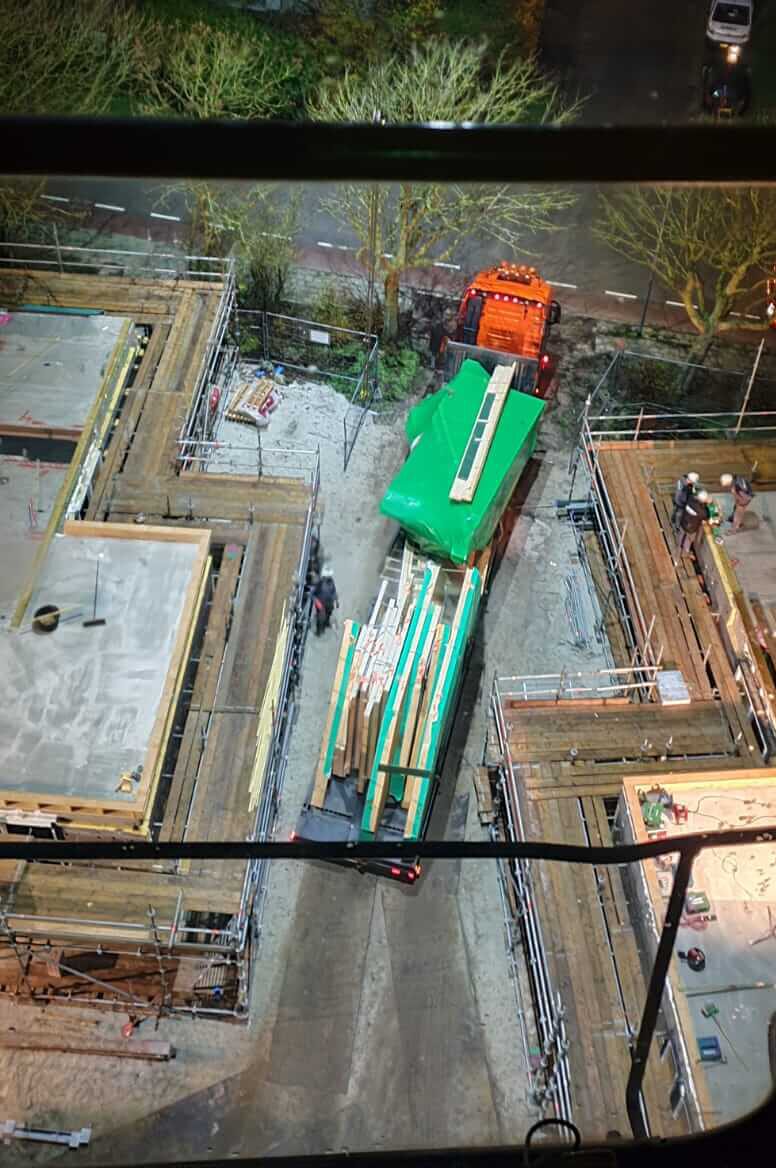
Lighting for internal roadways, pedestrian routes, loading and unloading zones, construction site entrances, and logistics areas where vehicles, people, and equipment move through the same environment.
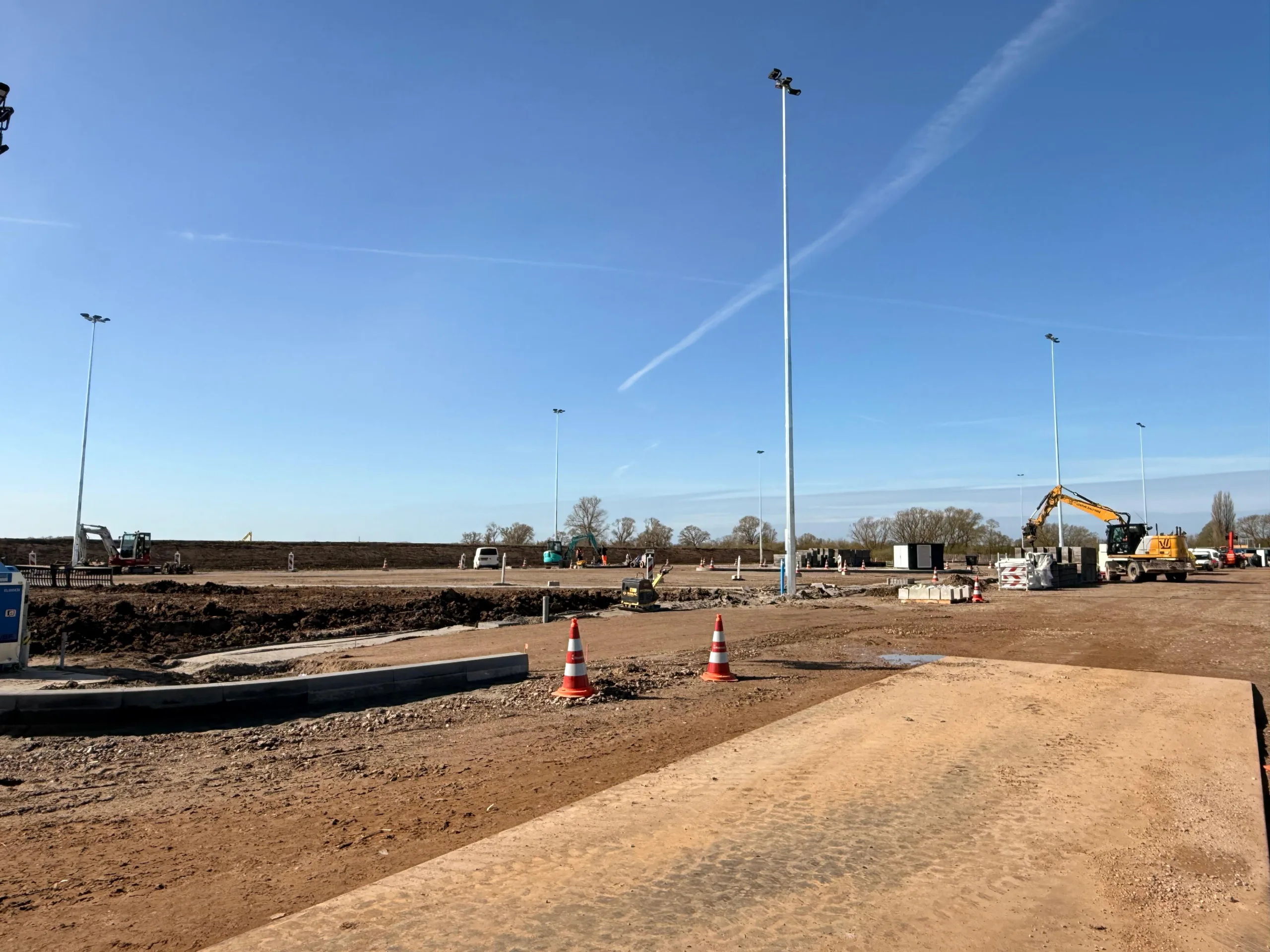
Lighting for material storage, prefab elements, containers, equipment parking, and temporary logistics areas where layouts frequently change and visibility must remain practical.

Lighting for infrastructure projects where temporary work, permanent assets, traffic interfaces, and outdoor loads require controlled and reliable lighting.
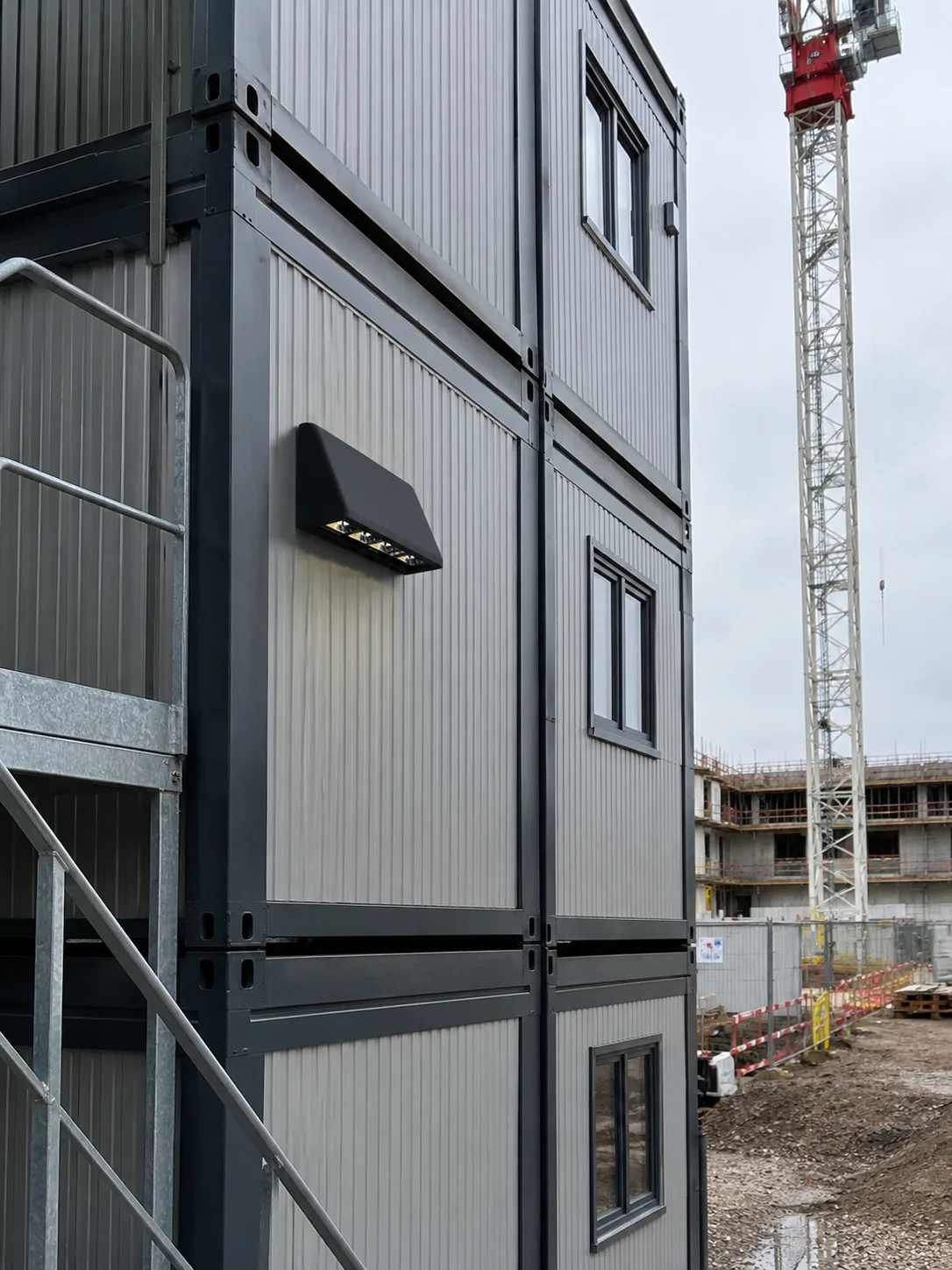
Lighting for workshops, construction trailers, technical rooms, platforms, inspection zones, and service routes where accurate task visibility and easy maintenance access are important.
Lighting projects in construction and infrastructure are rarely dependent on a single type of fixture. Work zone lighting, crane lighting, access roads, temporary masts, power, and controls must work together as a practical construction site system.
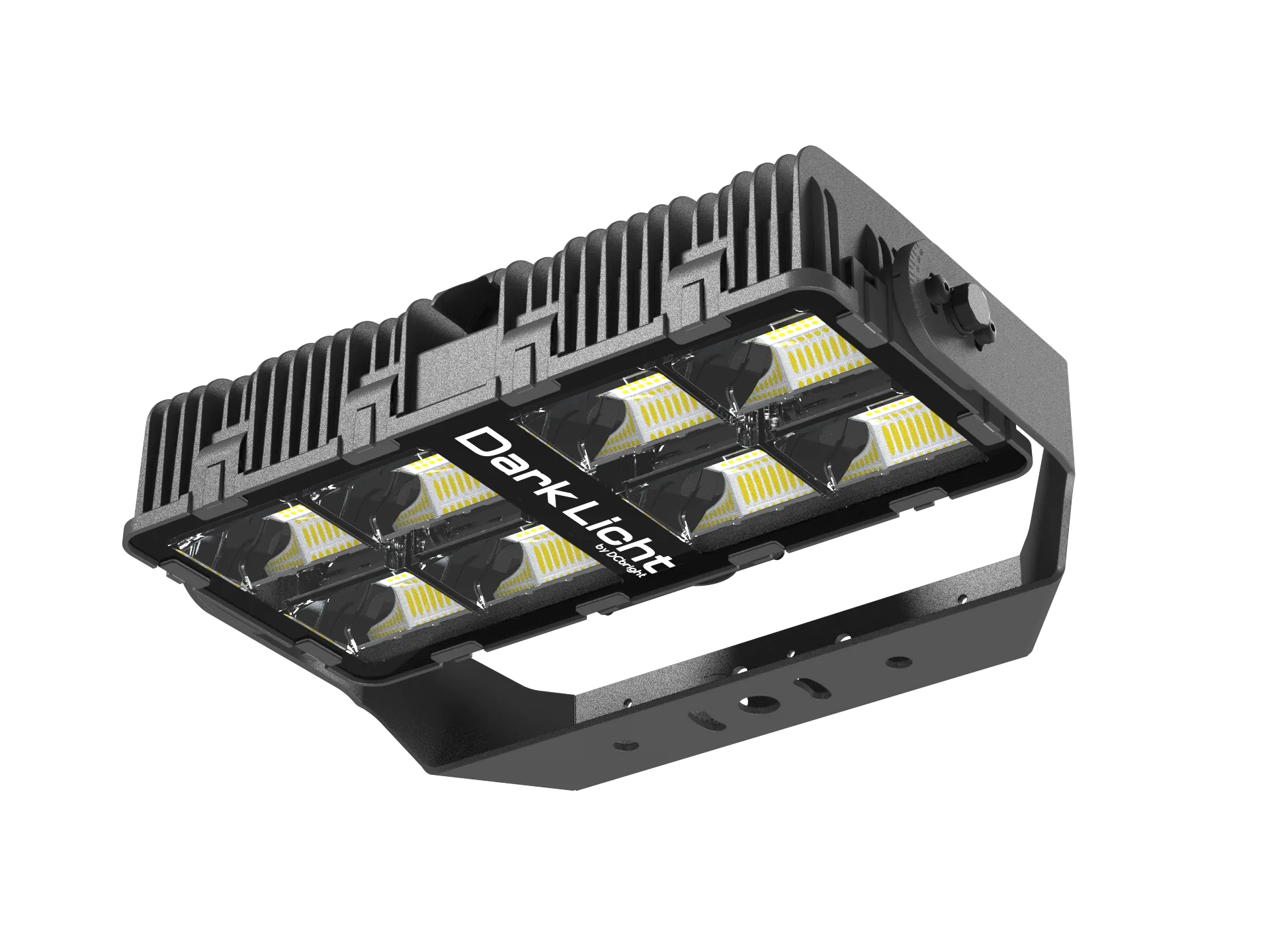
For construction sites where safe movement, obstacle detection, task visibility, and flexible positioning are essential.
Typical scope

For tower cranes, mobile cranes, and lifting zones where visibility, vibration resistance, mounting position, and operator comfort determine the lighting result.
Typical scope
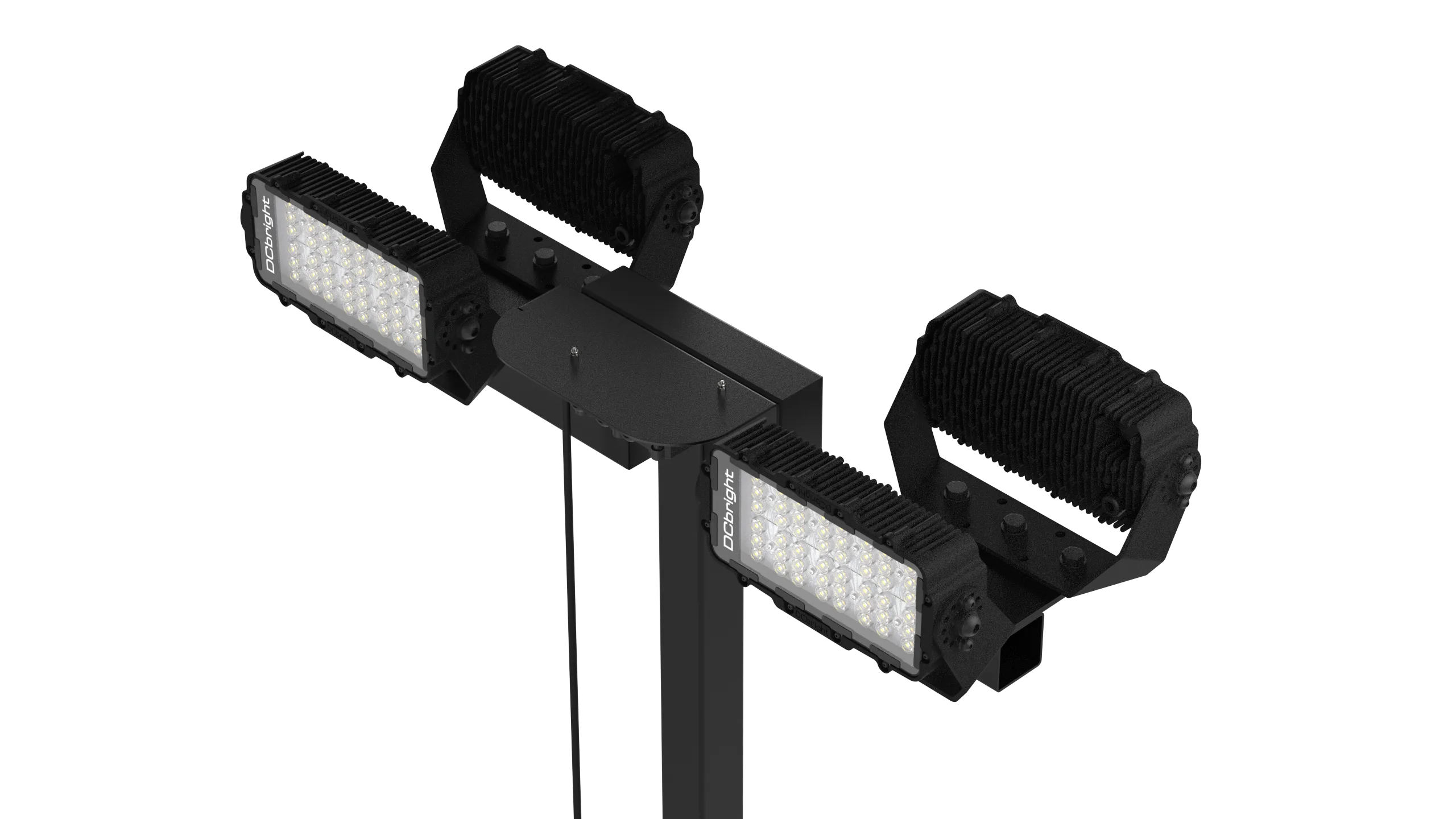
For projects where lighting needs to be placed, moved, or expanded during different construction phases.
Typical scope
For outdoor assets where long-term reliability, corrosion resistance, sealing, and maintenance access are more important than speed of temporary installation.
Typical scope
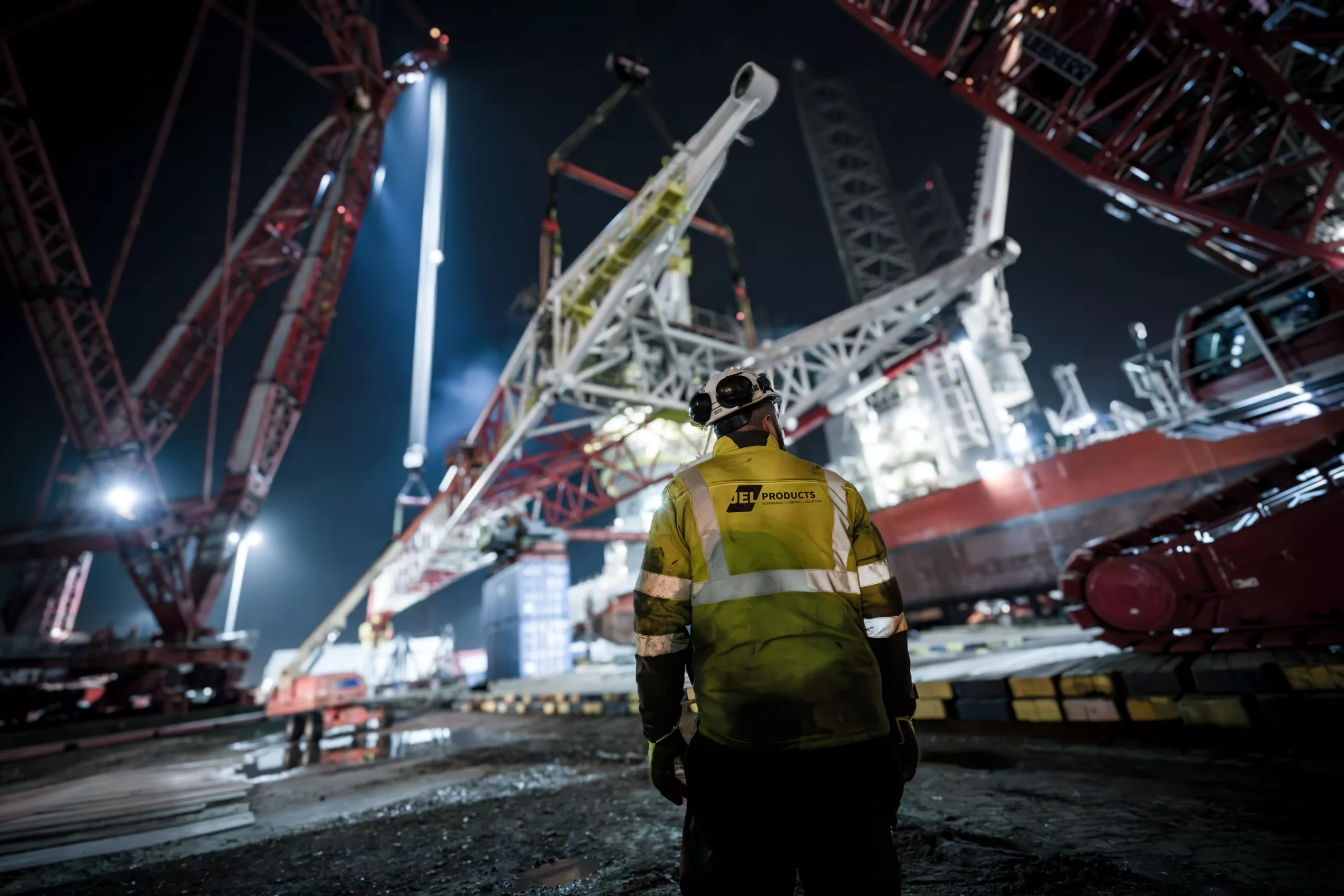
Lighting project for Mammoet’s PTC210-DS, at the time the world’s largest land crane. Using just five carefully positioned fixtures, JEL Products created a targeted crane lighting setup for large-scale lifting operations under demanding site conditions.
Faucet lighting systems
Rotterdam, Netherlands
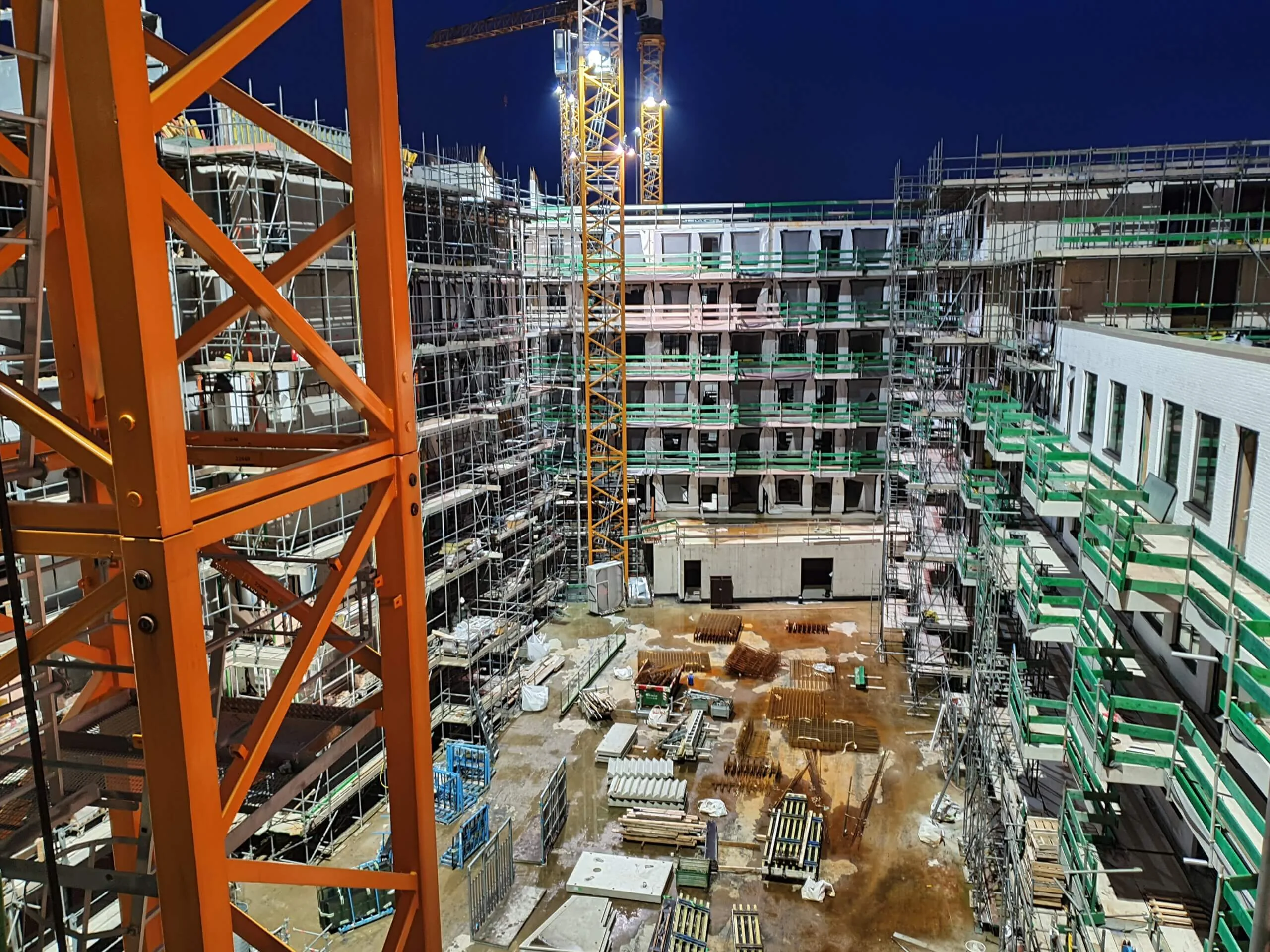
Fleet-wide upgrade of tower crane lighting for Van der Spek in Vianen and Ternat. JEL Products supported the transition to robust, efficient crane lighting systems designed with operator visibility, practical installation, and long-term use on multiple types of tower cranes in mind.
Tower crane lighting
Benelux, Europe
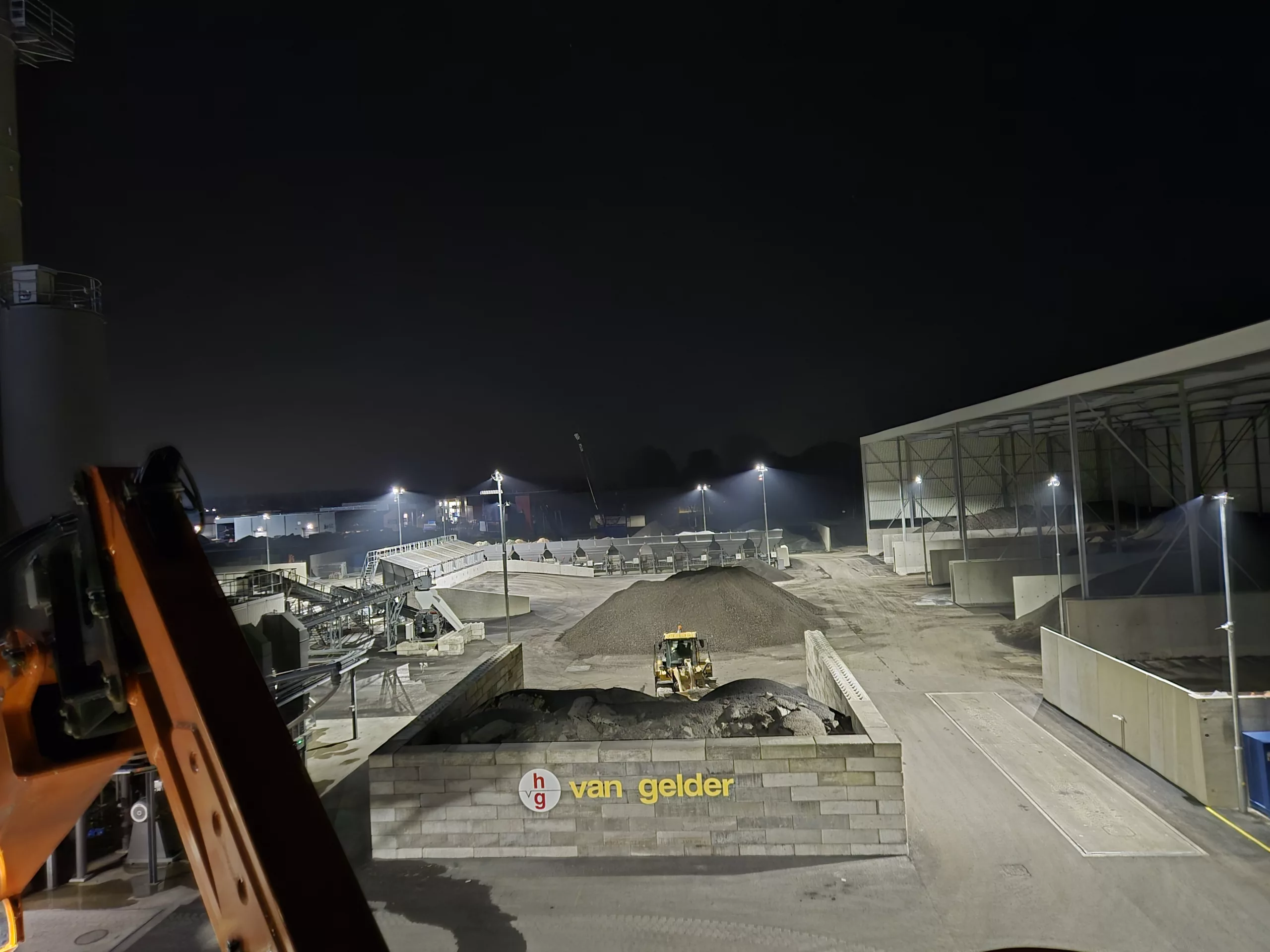
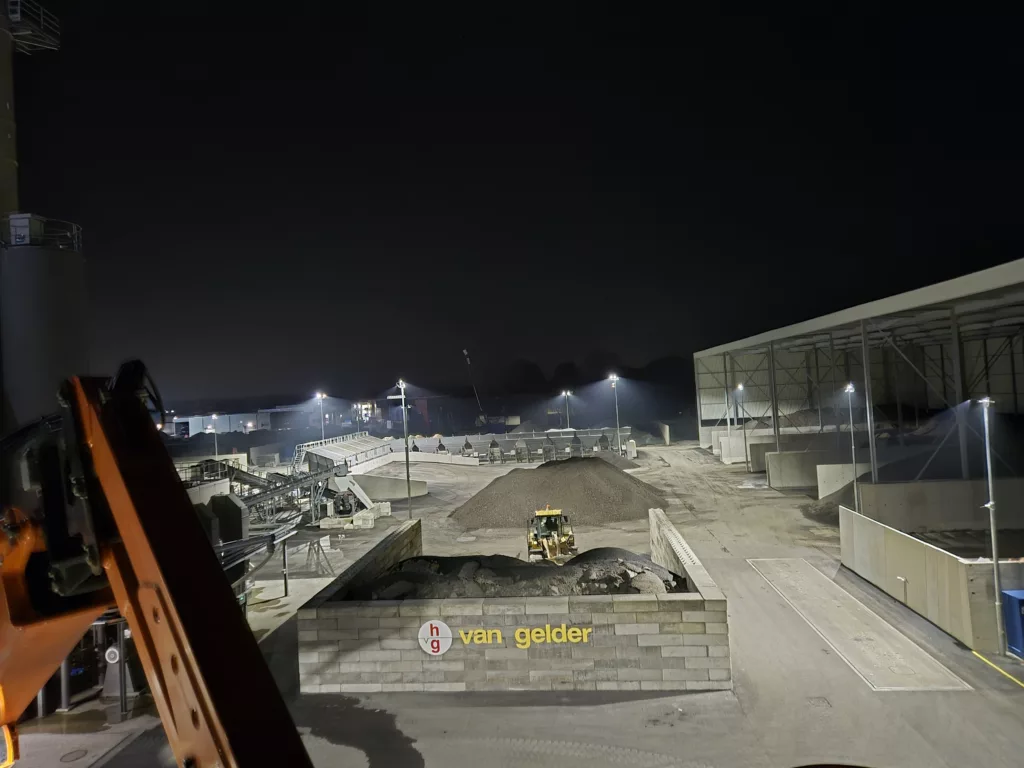
Permanent site lighting project for Van Gelder’s new asphalt plant in Nijkerk. JEL Products designed and supplied the site lighting to support safe logistics, clear visibility, and reliable operation around storage areas, traffic routes, and production-related outdoor areas.
Permanent site lighting
Nijkerk, Netherlands
Proven in operational environments. You don't have to take our word for it; just ask our customers.











Construction site lighting must adapt to changing work zones, temporary access roads, machinery, cranes, storage areas, and project phases. The lighting must support safety and productivity while remaining robust under harsh outdoor conditions.
Yes. Temporary lighting also requires proper positioning, glare control, safe power integration, and practical maintenance access. Poor temporary lighting can cause safety risks and delays.
Work zones, crane areas, access roads, pedestrian routes, storage areas, loading and unloading zones, site offices, and maintenance areas each require their own lighting approach.
Glare can affect crane operators, drivers, machine operators, and ground personnel. Controlled optics and correct aiming reduce visual fatigue and improve visibility during morning, evening, and night work.
No. Mobile light towers can be useful for short-term tasks, but fixed or semi-permanent mast systems can deliver better uniformity, less glare, higher reliability, and less disruption on the construction site for longer projects.
Sometimes. This depends on mast positions, structural requirements, cable routes, control strategy, luminaire selection, and the final use of the location. This must be assessed during the engineering phase.
Important specifications include light output, optics, mounting height, IP rating, IK rating, vibration resistance, corrosion resistance, glare control, power supply, control options, and maintenance access.
Are you looking for a robust lighting solution for a construction site, civil infrastructure project, crane zone, temporary site, or permanent outdoor asset?
JEL Products helps contractors, infrastructure companies, municipalities, and engineering teams determine the right lighting approach based on work zones, pole locations, glare control, site conditions, power infrastructure, maintenance access, and project phasing.
Your request will be assessed by our technical team.
We normally reply within one business day.
+31(0)33 785 9809
We use your data solely to assess your request in terms of content and to respond appropriately.