

Zware industriële omgevingen stellen verlichtingssystemen bloot aan hitte, stof, trillingen, impact, vocht, reinigingscycli en beperkte onderhoudstoegang. JEL Products ontwikkelt industriële verlichtingssystemen voor staalfabrieken, glasfabrieken, klimaatkamers, productielijnen, proceszones en andere zware omgevingen waar standaard LED-armaturen vaak voortijdig uitvallen.
Verlichting in zware industrie draait niet alleen om het behalen van luxwaarden. In hete, vervuilde of mechanisch veeleisende omgevingen wordt de levensduur van een armatuur vaak bepaald door thermisch management, driverpositie, afdichting, materiaalkeuze, trillingsbestendigheid en onderhoudstoegang.
Een robuust industrieel verlichtingssysteem moet betrouwbaar blijven onder werkelijke bedrijfsomstandigheden, niet alleen op basis van een datasheet. Dat vraagt om praktisch inzicht in omgevingstemperatuur, stralingswarmte, vervuiling, reinigingsmethoden, montageposities, elektrische infrastructuur en onderhoudsvensters.
Typische uitdagingen
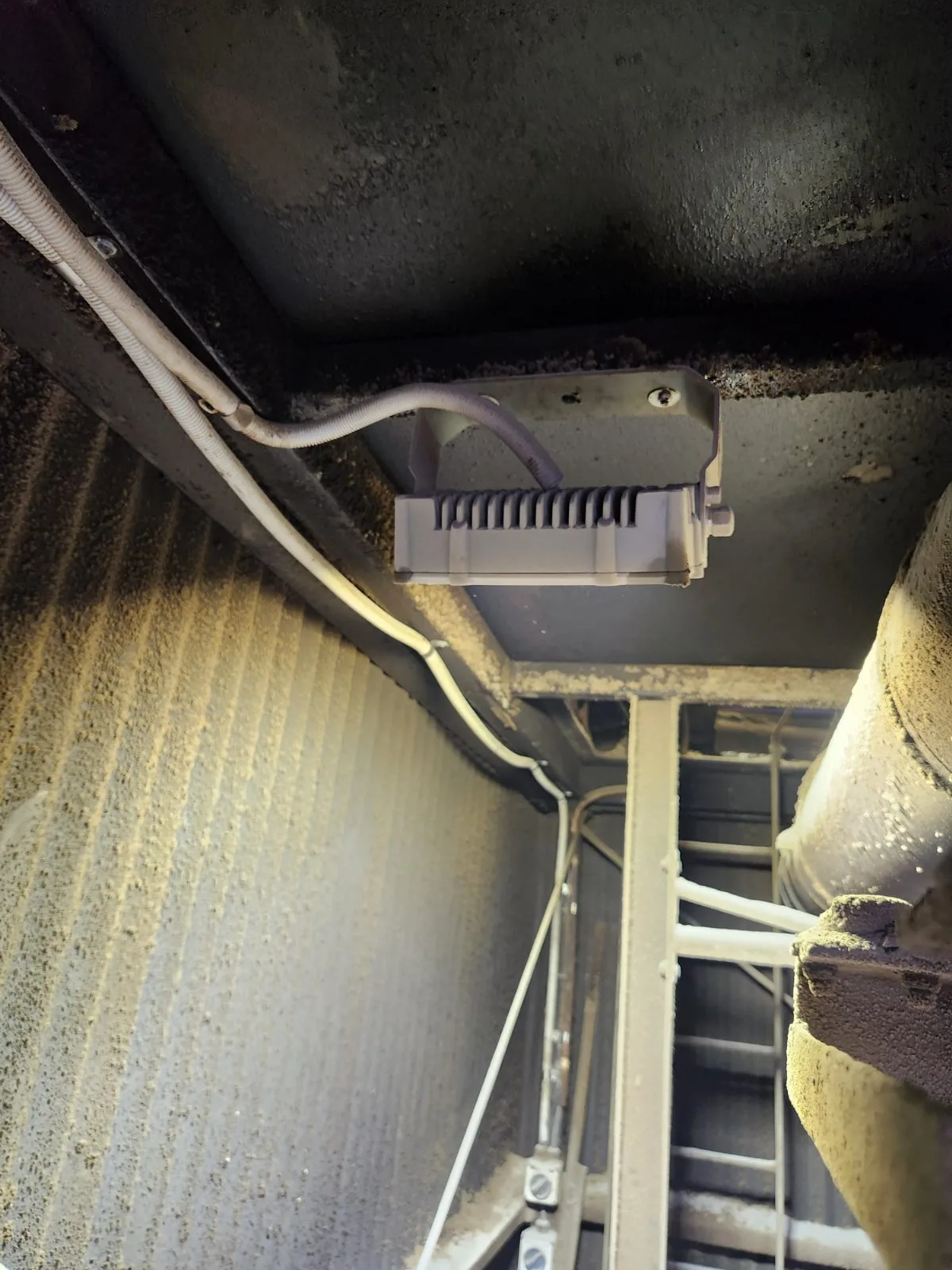
JEL Products ontwerpt en levert industriële verlichtingssystemen voor zware industrie, hoge-temperatuur omgevingen, staalfabrieken, glasproductie, klimaatkamers, productiefaciliteiten en zware procesomgevingen.
Staalfabrieken, warmwalserijen, ovenzones, glasfabrieken, klimaatkamers, industriële ovens, proceslijnen, machinezones, productiehallen, kraanzones, onderhoudsplatforms en industriële buitenterreinen.
Lichtontwerp, selectie van hoge-temperatuur armaturen, remote driver-configuratie, hittebestendige bekabeling, montagestrategie, optiekselectie, verblindingsbeheersing, elektrische integratie, onderhoudstoegang en projectspecifieke technische beoordeling.
Omgevingshitte, stralingswarmte, stof, trillingen, impact, vocht, stoom, reinigingscycli, corrosie, beperkte toegang, beperkingen rond productiestilstand en continu bedrijf.
Industriële operators, OEM’s, engineeringteams, onderhoudsafdelingen, EPC-aannemers, plant managers en technische inkopers die betrouwbare verlichting zoeken voor veeleisende industriële omgevingen.
Woonhuisverlichting, decoratieve verlichting, barbecueverlichting, webshopvervanging, projecten die uitsluitend op de laagste aanschafprijs sturen of gecertificeerde ATEX-zones, tenzij de vereiste certificering en projectspecifieke omstandigheden afzonderlijk zijn gecontroleerd.
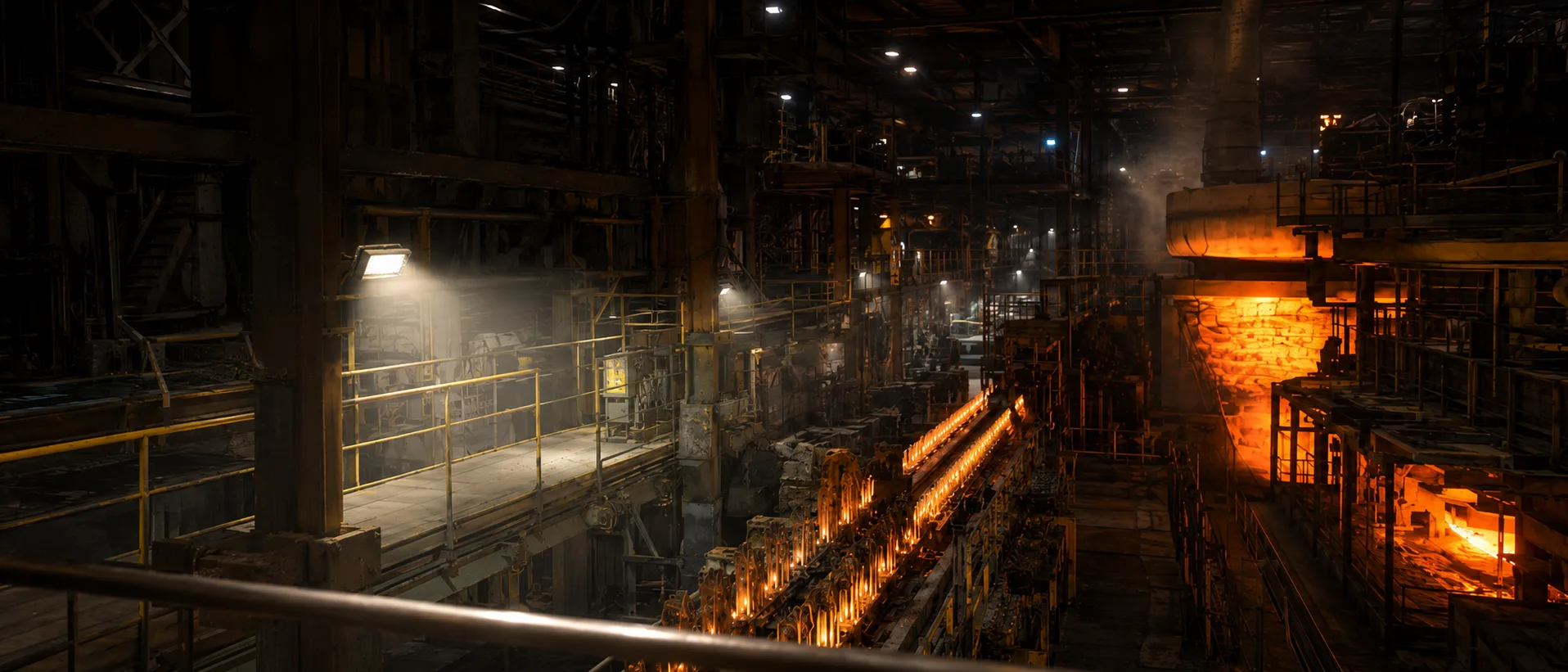
Hoge-temperatuurverlichting vraagt om meer dan alleen een hittebestendige behuizing. LED-chips, lenzen, afdichtingen, kabels en vooral drivers reageren allemaal anders op hitte. Een armatuur kan mechanisch blijven functioneren en toch vroegtijdig uitvallen wanneer de elektronica aan te hoge temperaturen wordt blootgesteld.
In hoge-temperatuur omgevingen moet duidelijk onderscheid worden gemaakt tussen omgevingstemperatuur en stralingswarmte. Omgevingstemperatuur is de luchttemperatuur rondom het armatuur, terwijl stralingswarmte het oppervlak van het armatuur direct kan belasten door heet staal, glas, ovens of procesapparatuur.
In veel projecten is de driver het meest kwetsbare onderdeel. Door de driver buiten de hete zone te plaatsen, kan de betrouwbaarheid aanzienlijk verbeteren, mits bekabeling, spanningsval, connectorselectie en kasttemperatuur correct worden beoordeeld.
Het doel is niet alleen om een armatuur te installeren dat op dag één werkt, maar om voorspelbare prestaties te behouden gedurende de volledige levensduur van de installatie.
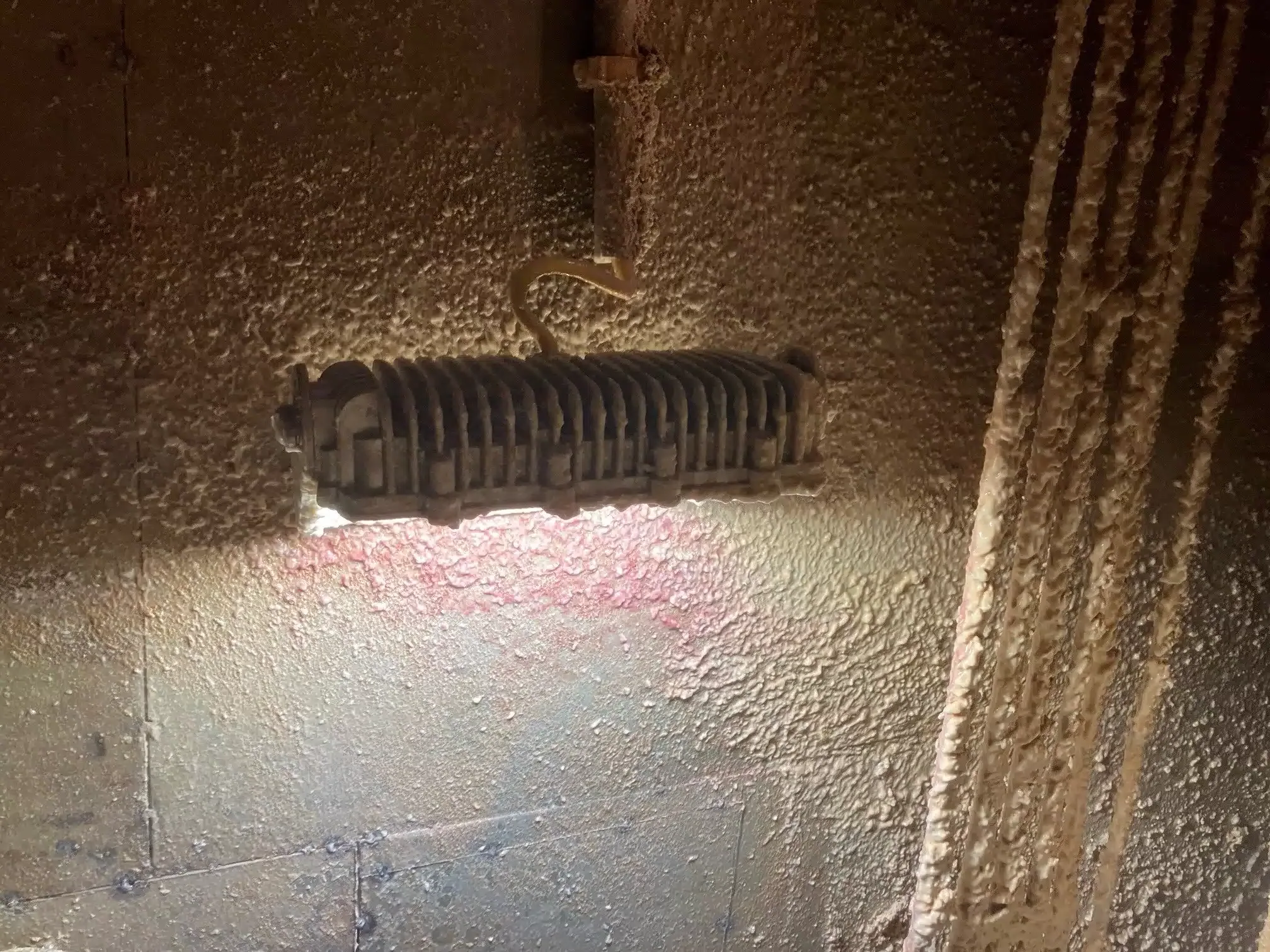
Zware industriële omgevingen combineren vaak stof, olienevel, stoom, vocht of reinigingsprocedures. Deze omstandigheden beïnvloeden optische prestaties, afdichting, warmteafvoer en onderhoudsintervallen.
Vervuiling kan de lichtopbrengst verlagen, oppervlaktetemperaturen verhogen en de effectieve levensduur van een verlichtingssysteem verkorten. In hete of stoffige omgevingen kan zelfs een robuust armatuur onderpresteren wanneer reinigingstoegang en optische vervuiling worden genegeerd.
De vereiste IP-classificatie hangt af van de werkelijke blootstelling. Sommige omgevingen vragen bescherming tegen stof en vocht, terwijl andere toepassingen bestand moeten zijn tegen hogedrukreiniging of agressieve industriële vervuiling. De juiste keuze hangt af van procescondities, reinigingsmethoden en montagepositie.
Een betrouwbaar ontwerp kijkt niet alleen naar de eerste lichtberekening, maar ook naar hoe de installatie presteert na maanden of jaren blootstelling.

Zware industrie stelt verlichting vaak bloot aan trillingen, schokken, bewegende machines, kraanbewegingen of incidentele impact. Armatuurselectie en montagedetails moeten worden afgestemd op de mechanische omgeving.
Mechanische betrouwbaarheid wordt in industriële verlichtingsprojecten vaak onderschat. Een armatuur met hoge lichtopbrengst kan alsnog een onderhoudsprobleem worden wanneer beugels, bevestigingsmiddelen, kabelinvoeren of montageinterfaces niet geschikt zijn voor trilling en beweging.
Kraan- en machinegemonteerde verlichting vraagt extra aandacht. Gewicht, lichtrichting, kabelrouting en toegang voor vervanging bepalen of het systeem praktisch blijft in de dagelijkse operatie.
Het ontwerp moet verlichting behandelen als onderdeel van de machine of constructie, niet als accessoire dat na afloop van de hoofdengineering wordt toegevoegd.
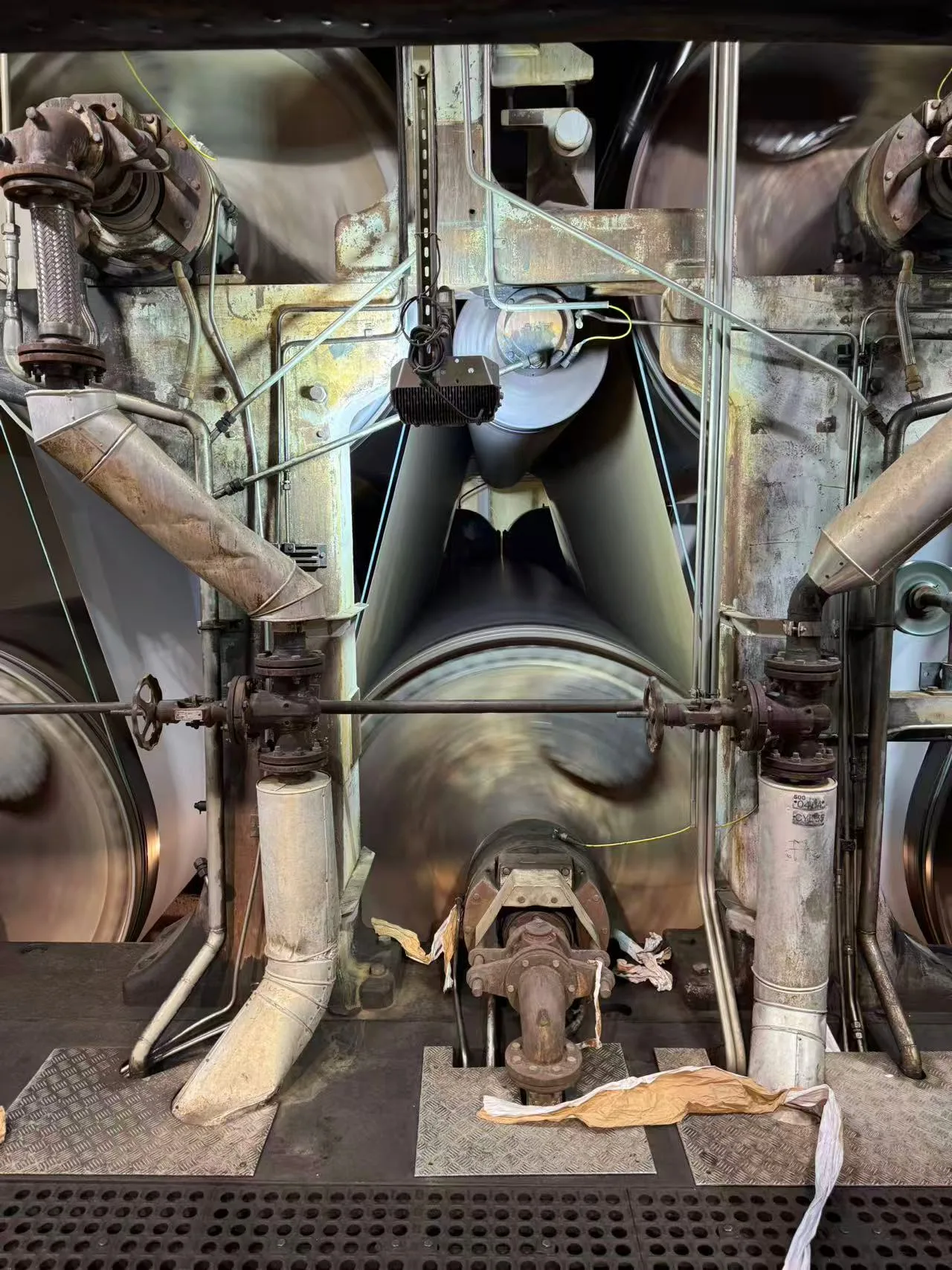
In zware industrie is verlichtingsonderhoud vaak duur, verstorend of alleen mogelijk tijdens geplande stops. Daarom zijn toegankelijkheid, modulariteit en een langetermijnstrategie voor vervanging essentieel.
Veel storingen aan industriële verlichting worden kostbaar doordat het armatuur op een plek is geïnstalleerd die moeilijk, heet of onveilig bereikbaar is. Zelfs een eenvoudige vervanging kan leiden tot stilstand, vergunningen, hoogwerkers, steigers of productieonderbreking.
Een goed verlichtingssysteem verlaagt dit risico door servicetoegang vanaf het begin mee te nemen. Remote drivers, modulaire vervanging, praktische montageposities en duidelijke documentatie kunnen stilstand verminderen en onderhoudbaarheid verbeteren.
Het doel is stabiele werking gedurende de volledige levenscyclus van de asset, niet alleen een technisch correcte installatie bij oplevering.
Ontdek de belangrijkste toepassingen binnen hoge-temperatuur omgevingen en zware industrie, waar lichtprestaties, integratie en levensduurstrategie sterk van elkaar verschillen.

Verlichting voor staalproductie, warmwalsprocessen, gietzones, ovenzones en aangrenzende procesomgevingen waar hitte, stof, stralingswarmte en beperkte toegang de technische uitdaging bepalen.
Verlichting voor glasfabrieken, ovenzones, forming lines en inspectieposities waar stralingswarmte, hoge omgevingstemperaturen, stof en damp de betrouwbaarheid van standaard armaturen beperken.

Verlichting voor klimaatkamers, temperatuurkamers en gecontroleerde testopstellingen waar temperatuurwisselingen, condensvorming, beperkte ruimte en nauwkeurige testcondities de armatuurkeuze bepalen.

Verlichting voor ovens, drogers, warmtebehandelingslijnen en proceszones waar terugkerende hittebelasting, vervuiling en beperkte onderhoudstoegang vragen om een technisch afgestemde oplossing.

Verlichting voor zware productiehallen, machines, transportbanen, platforms en werkzones waar stof, vocht, trilling en mechanische belasting invloed hebben op zichtbaarheid en levensduur.
Verlichting voor bovenloopkranen, proceskranen, mobiele machines en zwaar industrieel materieel waar trilling, schokbelasting, montagepositie en operatorzicht bepalend zijn.
Verlichtingsprojecten in zware industrie zijn zelden afhankelijk van één type armatuur. Hoge-temperatuur armaturen, werklampen, floodlights, remote drivers, beugels, bekabeling en onderhoudsstrategie moeten samenwerken als één betrouwbaar systeem.
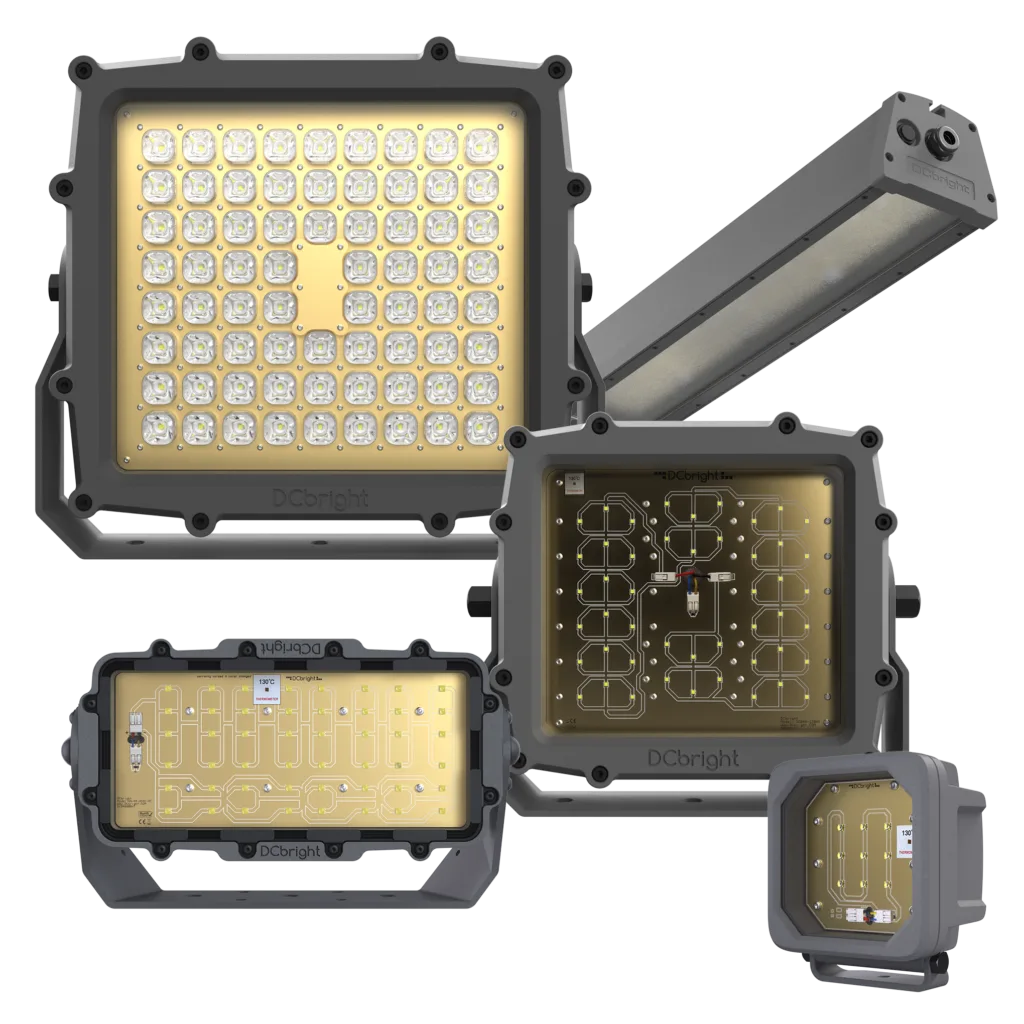
For environments where standard LED luminaires fail due to ambient heat, radiant heat or driver exposure.
Typische scope:

Voor grote productiezones, kraanzones, buitenterreinen en zware werkgebieden waar hoge lichtopbrengst, optische controle en robuuste constructie vereist zijn.
Typische scope:

Voor machines, platforms, transportbanden, servicezones en materieel waar compacte, robuuste en directe zichtbaarheid op korte afstand nodig is.
Typische scope:
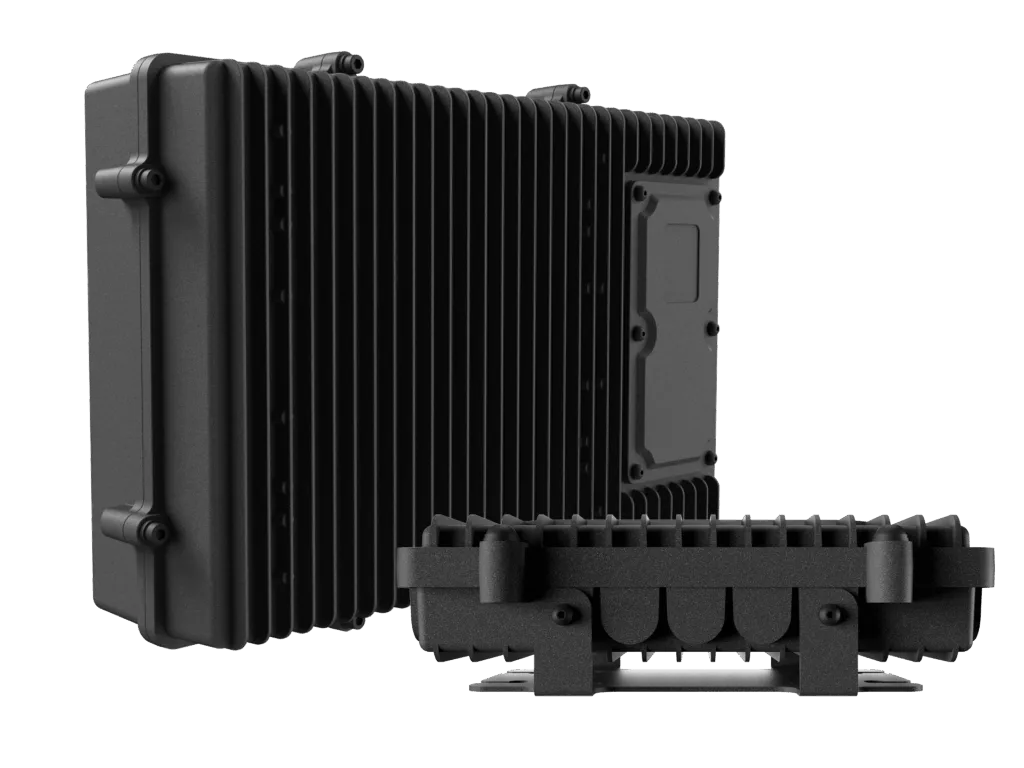
Voor hete omgevingen waar elektronica buiten de hittezone moet worden geplaatst om betrouwbaarheid en onderhoudbaarheid te verbeteren.
Typische scope:
Tata Steel had een verlichtingsoplossing nodig voor een hoge-temperatuur staalproductieomgeving waar conventionele verlichting regelmatig uitviel door hitte, impact en staalspatten.
JEL Products leverde BA-48 Barracuda HT-armaturen, ontwikkeld voor veeleisende industriële omstandigheden en betrouwbare prestaties nabij extreme proceshitte. De verbeterde verlichting verhoogde de zichtbaarheid op de werkvloer en droeg bij aan veiligere werkomstandigheden in een omgeving waar duurzaamheid en betrouwbaarheid cruciaal zijn.
Hoge-temperatuur industriële verlichting
Nederland

VPK Paper gebruikt verlichting van JEL Products op haar papiermachines om de zichtbaarheid tijdens operatie, inspectie en onderhoud te verbeteren. De SN-35 Snapper HT is geselecteerd vanwege het compacte ontwerp, de hoge lichtopbrengst en de geschiktheid voor veeleisende industriële machineomgevingen.
Na een succesvolle eerste installatie en evaluatieperiode is VPK Paper gestart met het stapsgewijs vervangen van de verlichting langs de 80 meter lange papiermachine. Het resultaat is een praktischere en betrouwbaardere verlichtingsopstelling voor dagelijkse operatie en gepland onderhoud.
Machine- & procesverlichting
België
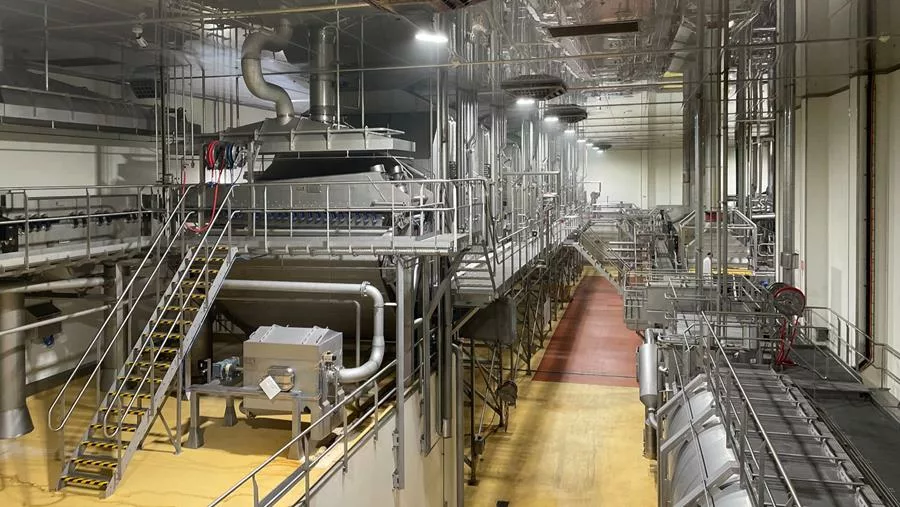
Farm Frites gebruikt SN-35-SS Snapper HT-armaturen in haar droogtunnels, volledig uitgevoerd in 316L roestvast staal. De verlichtingsoplossing is geselecteerd om zichtbaarheid en veiligheid in het productieproces te ondersteunen en tegelijk te voldoen aan de hygiënische eisen van een voedselproductieomgeving.
De roestvaststalen constructie, het compacte ontwerp en de geschiktheid voor hoge temperaturen maken de armaturen goed passend voor deze toepassing, waar hittebestendigheid, reinigbaarheid en betrouwbare werking samen moeten komen in één oplossing.
Hoge-temperatuur verlichting voor voedselverwerking
Nederland
Bewezen in operationele omgevingen. U hoeft ons niet op ons woord te geloven; vraag het onze klanten.









Hoge-temperatuur verlichting wordt ontworpen rond hittebelasting, driverbetrouwbaarheid, materiaalkeuze, lensprestaties, bekabeling en onderhoudstoegang. Standaard LED-armaturen vallen vaak vroegtijdig uit wanneer drivers of componenten aan te hoge temperaturen worden blootgesteld.
Omgevingstemperatuur is de luchttemperatuur rondom het armatuur. Stralingswarmte komt direct van hete materialen, ovens, furnaces of procesapparatuur en kan het oppervlak van het armatuur belasten, zelfs wanneer de omliggende luchttemperatuur lager is.
LED-drivers zijn meestal gevoeliger voor hitte dan de armatuurbehuizing. Door drivers buiten de hete zone te plaatsen, kan de betrouwbaarheid verbeteren en wordt onderhoud eenvoudiger, mits de elektrische configuratie correct wordt beoordeeld.
Hoge-temperatuur verlichting of heavy-duty verlichting is niet automatisch ATEX-verlichting. Wanneer een zone ATEX-certificering vereist, moet dit vooraf afzonderlijk worden bevestigd voordat een oplossing wordt geselecteerd.
Ja, maar alleen wanneer temperatuur, stralingswarmte, montagepositie, driverplaatsing, bekabeling en onderhoudstoegang worden beoordeeld. Niet ieder LED-armatuur is geschikt voor montage nabij ovens of hete procesomgevingen.
Belangrijke specificaties zijn onder andere omgevingstemperatuurbereik, lichtverdeling, lichtopbrengst, IP-classificatie, IK-classificatie, materiaalkeuze, afdichting, driverconfiguratie, spanningsbereik, trillingsbestendigheid en onderhoudstoegang.
Nee. IP69K is relevant wanneer hogedrukreiniging of zware vervuiling aanwezig is. In andere omgevingen kan een andere IP-classificatie voldoende zijn. De vereiste bescherming hangt af van stof, vocht, reinigingsmethode en installatiepositie.
Ja. Retrofitprojecten vragen meestal om beoordeling van montageposities, elektrische infrastructuur, hittebelasting, vervuiling, toegangsomstandigheden en vereiste lichtprestaties voordat nieuwe armaturen worden geselecteerd.
Zoekt u een betrouwbare verlichtingsoplossing voor een hoge-temperatuur zone, staalfabriek, glasfabriek, klimaatkamer, proceslijn, kraanzone of zware industriële productieomgeving?
JEL Products helpt operators, OEM’s, aannemers en engineeringteams bij het bepalen van de juiste verlichtingsaanpak op basis van temperatuur, stralingswarmte, vervuiling, trillingen, montagepositie, driverplaatsing, onderhoudstoegang en operationele eisen.
Uw aanvraag wordt inhoudelijk beoordeeld door ons technische team.
Wij reageren normaal gesproken binnen één werkdag.
+31(0)33 785 9809
Wij gebruiken uw gegevens uitsluitend om uw aanvraag inhoudelijk te beoordelen en passend te reageren.