Industrial LED lighting by sector

Understand the sector

Why sector-specific engineering?

Industrial environments are not standalone applications.

A port terminal consists of cranes, laydown areas, reefer zones, power infrastructure, and maintenance facilities. An offshore vessel consists of deck areas, engine rooms, hazard areas, and structural integration points. A steel plant consists of areas with high ambient temperatures, vibrations, radiant heat, and limited maintenance windows.

Designing lighting without understanding the entire sector, or as we approach it: the entire operational ecosystem, leads to:

  • underperforming installations;
  • constructive overload;
  • premature failure;
  • inefficient maintenance;
  • safety risks.
 

At JEL Products, every project begins with an analysis of the entire operational ecosystem.

Topview DFDS Vlaardingen

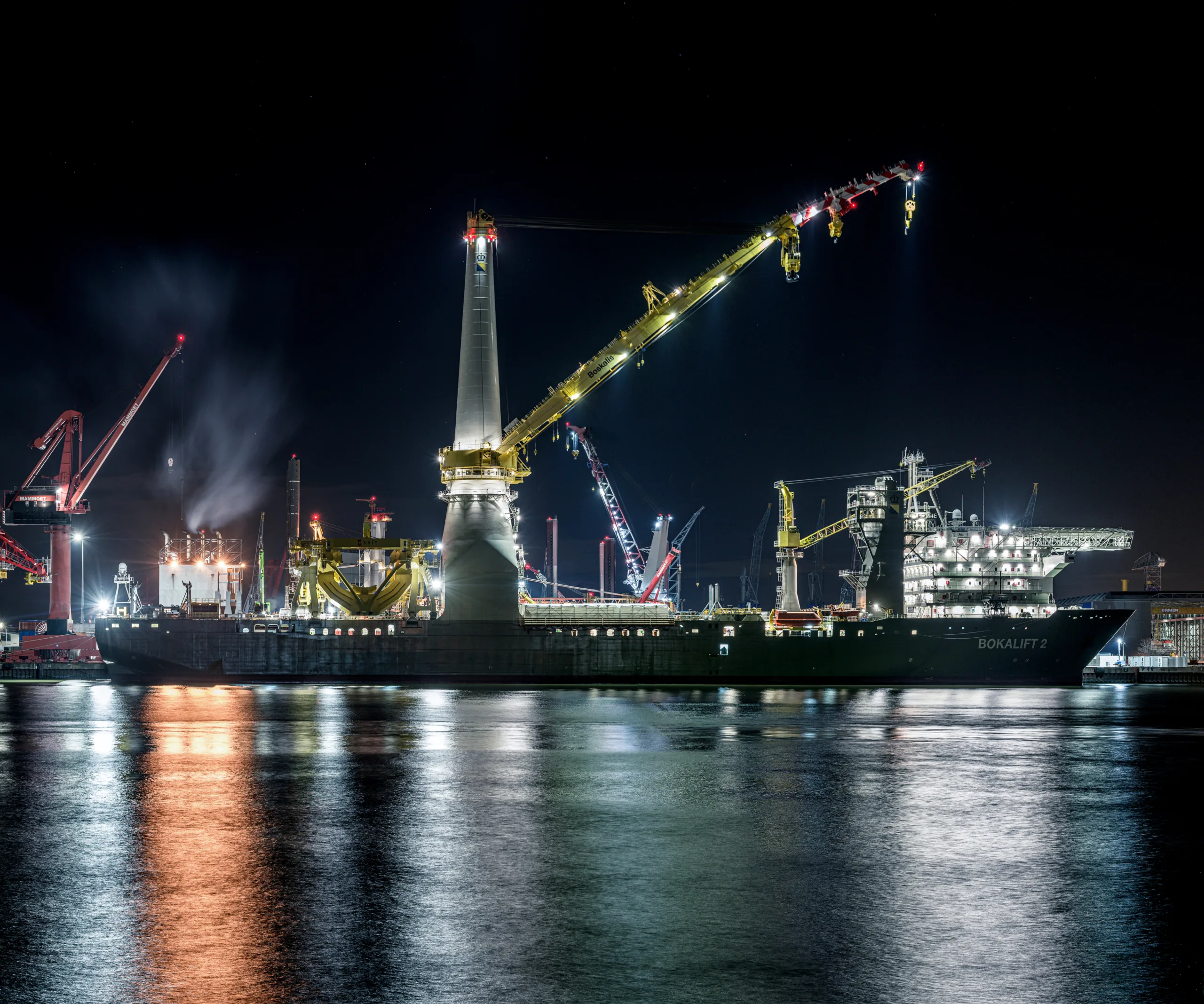
Harbors operate 24/7 under high wind loads, corrosive marine conditions, and strict safety requirements. Lighting systems must be integrated with crane structures, high light poles, and site infrastructure without disrupting daily operations.

Operational characteristics

  • high exposure to wind;
  • marine corrosion, including C5 environments;
  • integration with masts from 20 to 50 meters;
  • glare control for operators;
  • long maintenance cycles;
  • requirements for uniformity over large areas.
 

Within this ecosystem, we support, among other things:

Offshore environments require mechanically robust, corrosion-resistant, and low-maintenance lighting systems. These systems often operate under extreme weather conditions, salt exposure, vibrations, and with limited access for service or replacement.

Operational characteristics

  • exposure to salt and seawater;
  • high vibration load;
  • limited service access;
  • IP69K and marine material requirements;
  • constructive load from mounting points;
  • items from classification and regulation.
 

Within this ecosystem, we support, among other things:

Stainless steel Snapper HT LED fixtures from JEL Products in paper mill, resistant to corrosion and heat.

Harsh industrial environments expose lighting systems to high ambient temperatures, IR radiation, dust, vibrations, and mechanical stress. Engineering must therefore focus on thermal management, material resistance, and predictable lifespan behavior.

Operational characteristics

  • temperatures from -45 °C to 130 °C;
  • exposure to IR radiation;
  • aggressive and toxic conditions;
  • high dust load;
  • Shock and vibration;
  • limited maintenance intervals;
  • gamma radiation environments.
 

Within this ecosystem, we support, among other things:

Tower crane lighting Amsterdam

Temporary operational environments require robust, quickly deployable, and structurally appropriate lighting systems. These systems must be integratable with cranes, mobile light towers, and temporary site infrastructure, while minimizing environmental impact as much as possible.

Operational characteristics

  • temporary installations;
  • movable systems;
  • integration with faucets;
  • power supply via generator or temporary grid connection;
  • quick deployability;
  • meet workplace lighting requirements;
  • limitation of light nuisance and light pollution.
 

Within this ecosystem, we support, among other things:

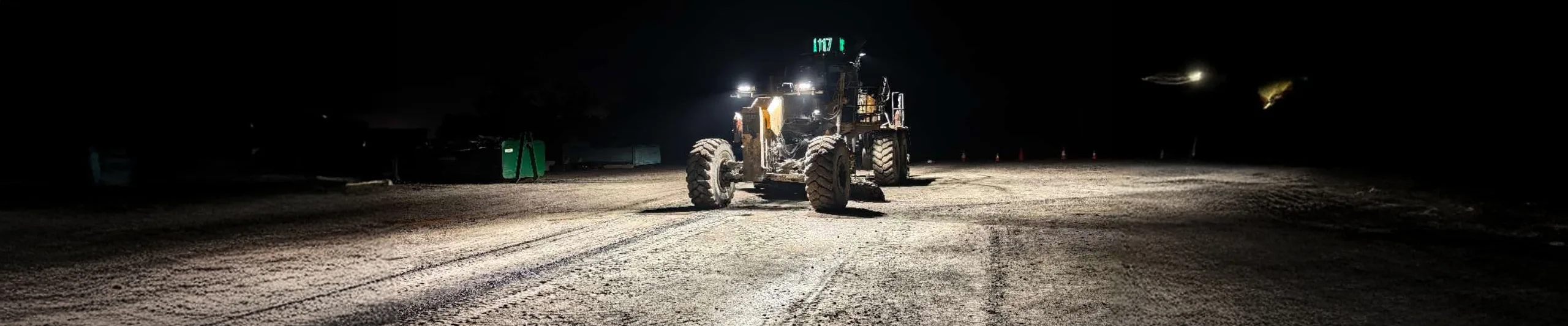
Mobile industrial machines operate under constant vibrations, mechanical shock loads, and varying environmental influences. Lighting systems must fit within limited mounting space, be compatible with onboard voltage, and remain reliable during intensive operating hours.

Operational characteristics

  • continue trilling en schokbelasting;
  • 24 VDC, 40 VDC of customer-specific electrical systems;
  • limited constructive assembly space;
  • IP69K cleaning and environmental exposure;
  • thermal cycles and changing ambient temperatures;
  • long operating hours with minimal service interruptions.
 

Within this ecosystem, we support, among other things:

NEN logo SVG
CIE logo

Engineering within operational ecosystems

Regardless of the operational environment, lighting systems always interact with constructions, electrical infrastructure, environmental loads, and maintenance strategies.

Our engineering approach is consistently applied across fixed installations, temporary infrastructure, and mobile assets.

Customer feedback

What our customers say about working with JEL Products

Proven in operational environments. You don't have to take our word for it; just ask our customers.

A selection of our valued clients

Ready to approach your lighting challenge as a system?

We support industrial operators, contractors, and engineering firms in defining lighting systems that fit within their complete operational context.

We use your data solely to assess your request in terms of content and to respond appropriately.