

Offshore and maritime operations require lighting systems that remain reliable despite exposure to salt, vibration, wind, moisture, impact, and limited access for maintenance. JEL Products develops industrial LED lighting systems for work decks, ships, cranes, engine rooms, offshore equipment, and maritime assets where standard lighting is often too fragile.
Lighting at sea is not just about lux values. On a ship, work deck, crane structure, or offshore asset, the usability of light is determined by many more factors: reflection on wet steel, glare at eye level, vessel movement, salt load, vibrations, limited mounting space, accessibility for maintenance, and the influence of luminaire weight on structural interfaces.
A good maritime lighting system supports safe operations without unnecessary glare, remains reliable under harsh exposure, and fits within the technical realities of the vessel or asset.
Typical challenges
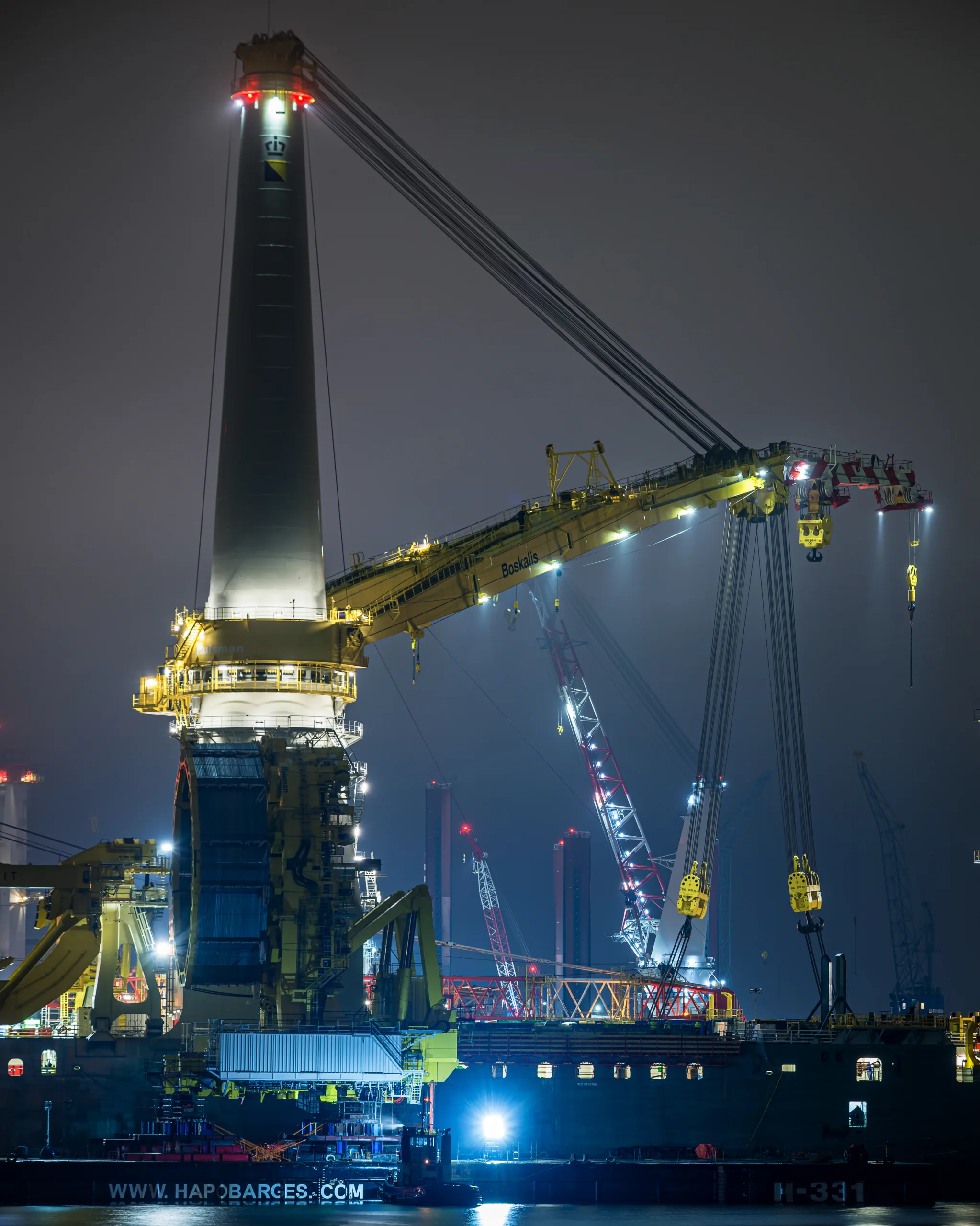
JEL Products designs and supplies industrial lighting systems for offshore vessels, dredgers, heavy-lift vessels, workboats, offshore wind-related assets, jack-up environments, marine cranes, engine rooms, technical spaces, and corrosive marine installations.
Work decks, crane booms, lifting areas, engine rooms, pump rooms, technical rooms, walkways, maintenance platforms, winch and hoist zones, gangways, temporary offshore staging areas, and maritime equipment.
Lighting design, fixture selection, optics choice, glare control, corrosion strategy, material selection, driver configuration, mounting assessment, cable routing, electrical integration, documentation, installation support, and maintenance strategy.
Salt load, seawater, wind, rain, fog, vibration, shock load, impact, temperature changes, moisture, cleaning, limited service windows, moving assets, and corrosive atmospheres.
Ship owners, offshore operators, shipyards, engineering teams, maintenance departments, EPC contractors, crane suppliers, maritime OEMs, and technical buyers seeking lighting for harsh maritime or offshore conditions.
Decorative yacht lighting, consumer lighting, standard webshop replacement, navigation lighting, signal lighting, searchlights, or certified ATEX/IECEx zones without project-specific verification of required certification.
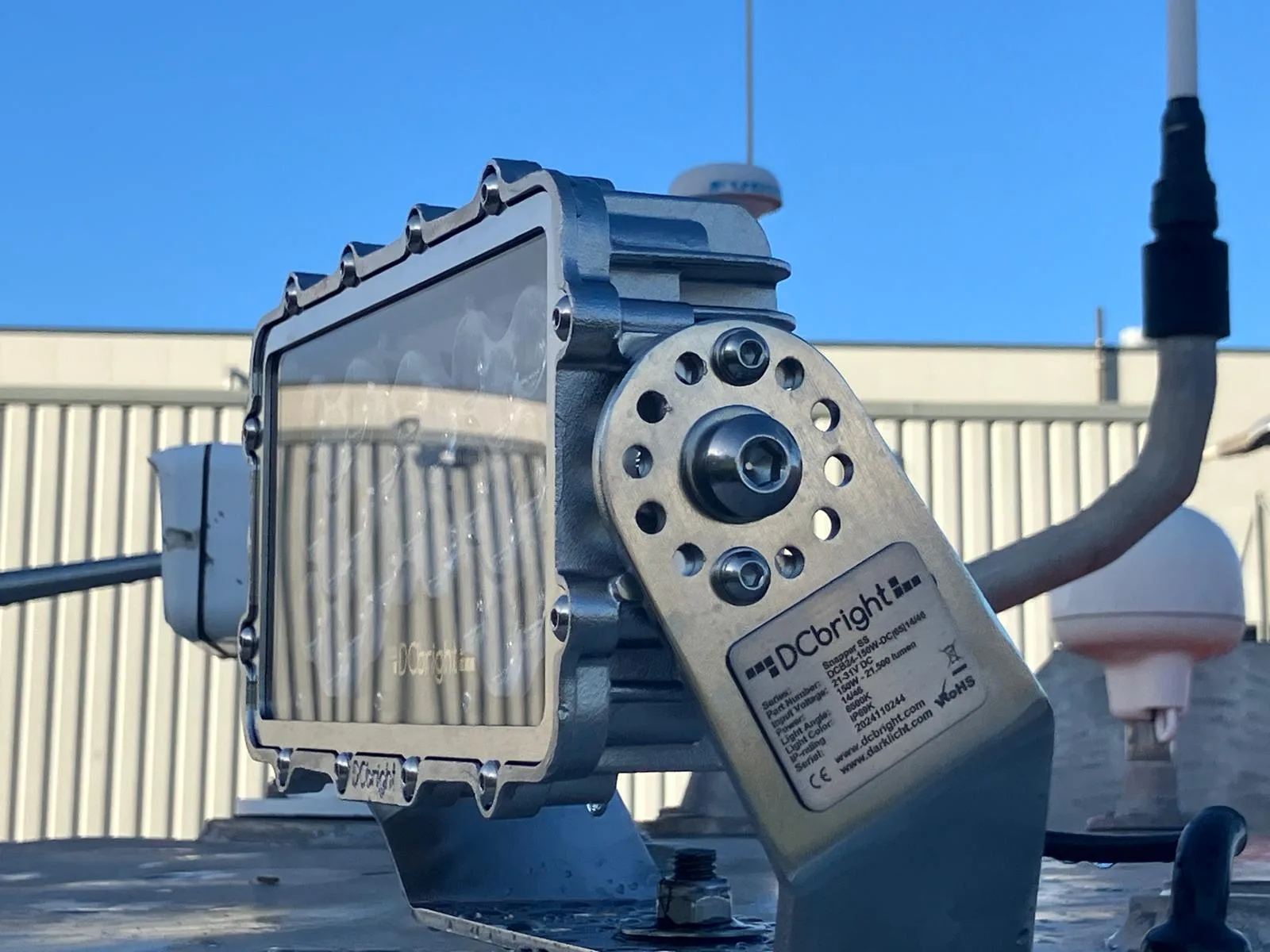
Marine lighting must withstand salt, spray, moisture, wind, and cleaning. The system's lifespan is determined not only by the LED module but also by the housing, coating, brackets, fasteners, cable entries, and driver position.
Offshore and maritime environments are harsh on lighting. Standard outdoor fixtures can fail prematurely when material selection, sealing, coating, or mounting isn't suitable for saltwater exposure.
A reliable maritime lighting system considers the entire installation: the fixture, bracket, bolts, cable gland, connector, driver location, and drainage around the mounting point. The goal is not only to keep water out but to create a system that remains inspectable, serviceable, and predictable.
Work decks, vessel decks, and maritime work zones require controlled visibility. Improperly placed lighting can cause glare, harsh reflections on wet steel, or dark zones behind equipment and deck structures.
Surface lighting should support safe movement and reliable task visibility without hindering the user. Wet steel, water film, railings, hatches, and light surfaces can reflect light directly back into the work zone.
A good lighting setup improves the recognition of obstacles, edge boundaries, loads, cables, and moving equipment. The goal is not simply more light, but usable visibility for crew, operators, and technical teams under real maritime conditions.
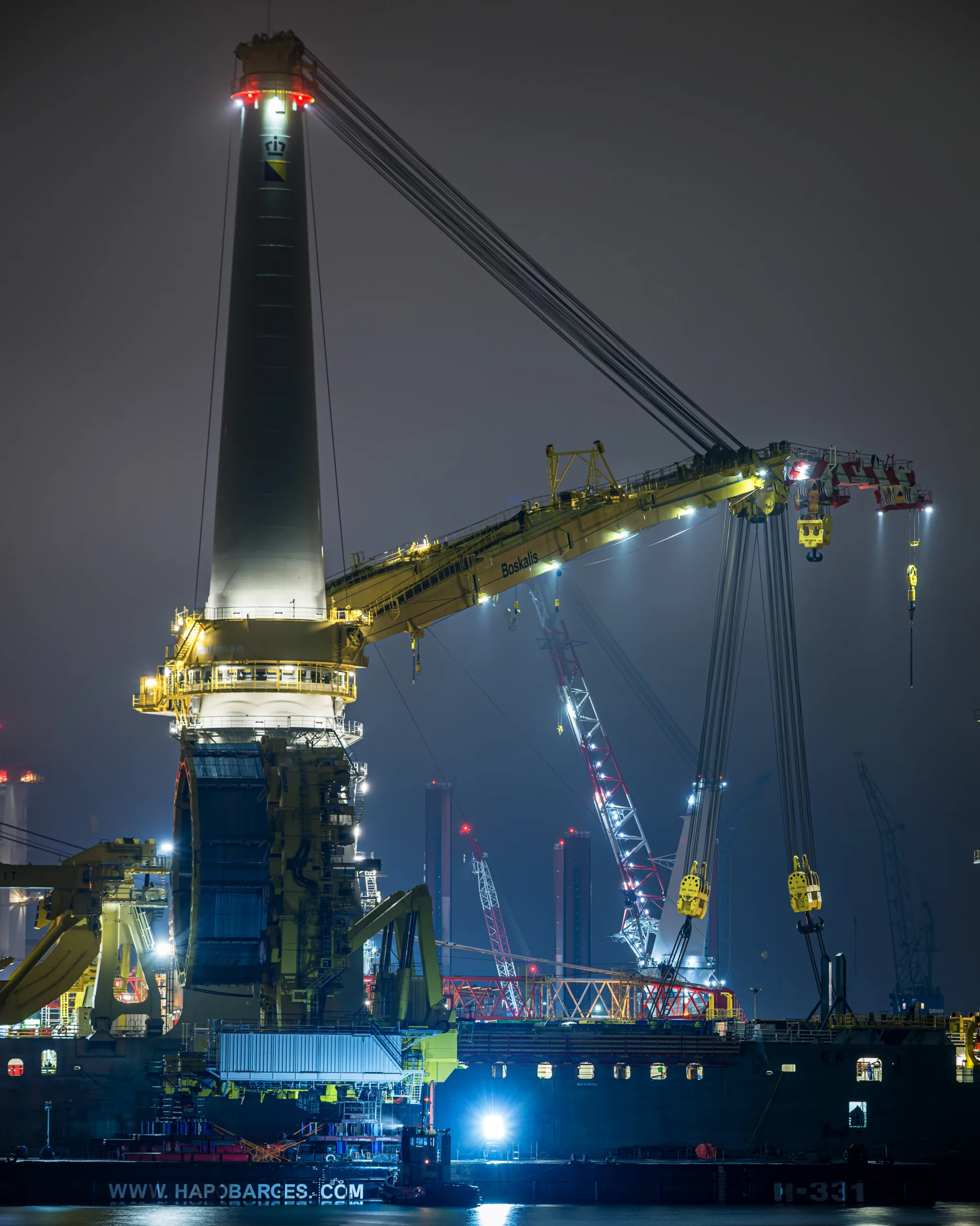
Offshore lighting is often mounted on moving or vibrating assets. Cranes, booms, ship structures, machine frames, and high-speed vessels place specific demands on weight, mounting, cable routing, and mechanical strength.
Maritime lighting must be suited to the asset on which it is mounted. A floodlight on a crane jib, a work lamp on a machine frame, or a forward-facing lamp on an intervention vessel cannot be treated as a normal wall or mast mounting.
Mounting position, vibration, shock load, cable protection, bundling direction, and serviceability determine whether the system remains reliable in daily use. In retrofit projects, these factors are at least as important as replacing the old power or light output.

Offshore and maritime assets often have limited maintenance windows. Lighting must remain reliably functional during operation and be practical to inspect, clean, repair, or replace when access is possible.
A lighting system on a ship, crane, or offshore asset must not only perform well at delivery. It must also remain manageable for the technical department after months or years of marine exposure.
Driver location, cable routing, switchgear groups, spare parts, installation scope, and documentation determine the actual operating costs. For maritime operators, reliability and predictable maintenance are often more important than the lowest purchase price.
Discover the key applications within offshore and maritime environments, where visibility, corrosion resistance, integration, and maintenance strategy differ greatly.
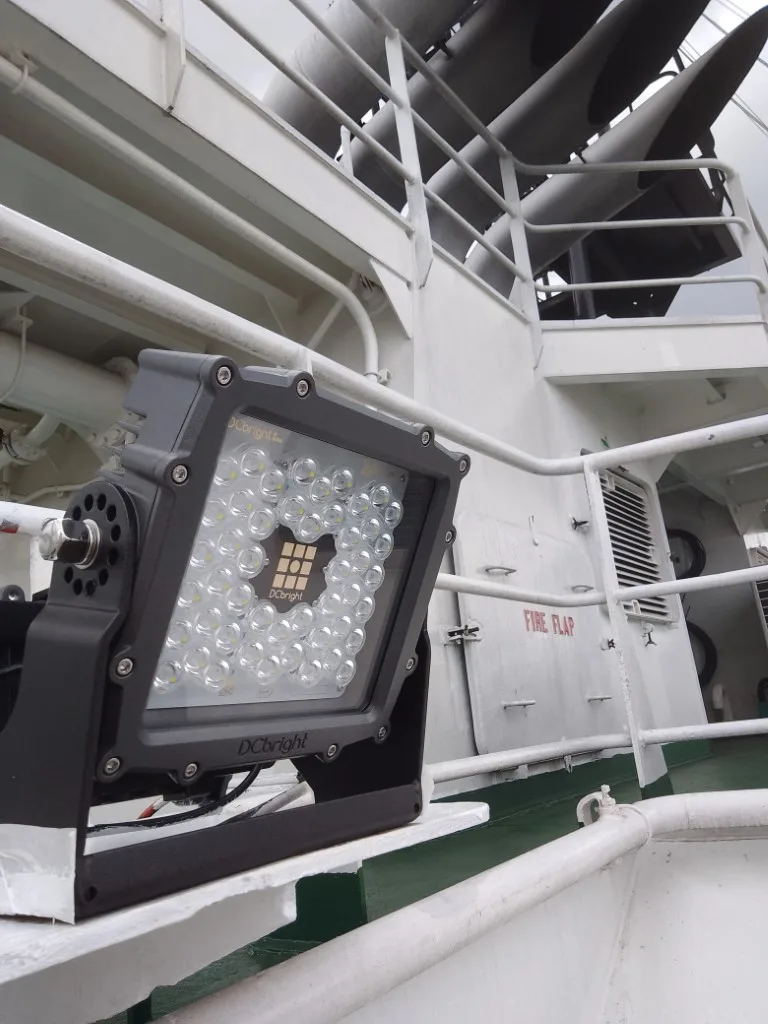
Lighting for work decks, vessel decks, loading and unloading zones, deck structures, and operational areas where crew, equipment, and temporary obstacles continuously converge.
Lighting for offshore cranes, heavy-lift cranes, booms, and lifting areas where sightlines from the cabin, load recognition, deck team safety, and vibration-resistant mounting are crucial.
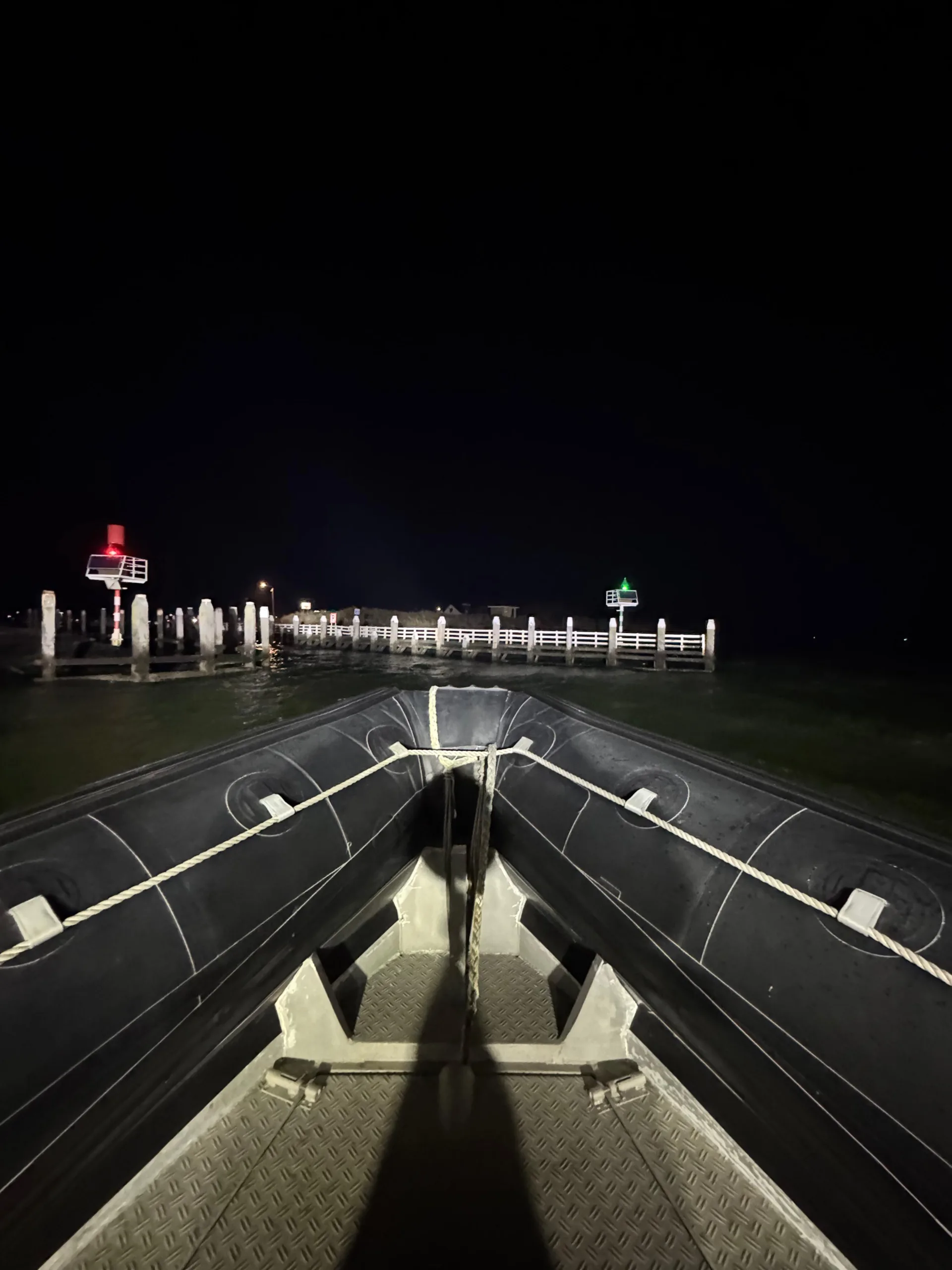
Lighting for fast intervention vessels, workboats, patrol boats, and service vessels where forward visibility, robust mounting, and maritime resistance are essential.

Lighting for offshore wind-related operations, jack-up environments, load-out, pre-assembly, staging, heavy-lift zones, and temporary operational work areas where large assets, lifting operations, and changing work zones converge.

Lighting for workboats, dredgers, service vessels, pontoons, offshore support equipment, and mobile maritime installations where compact, robust, and corrosion-resistant lighting is required.
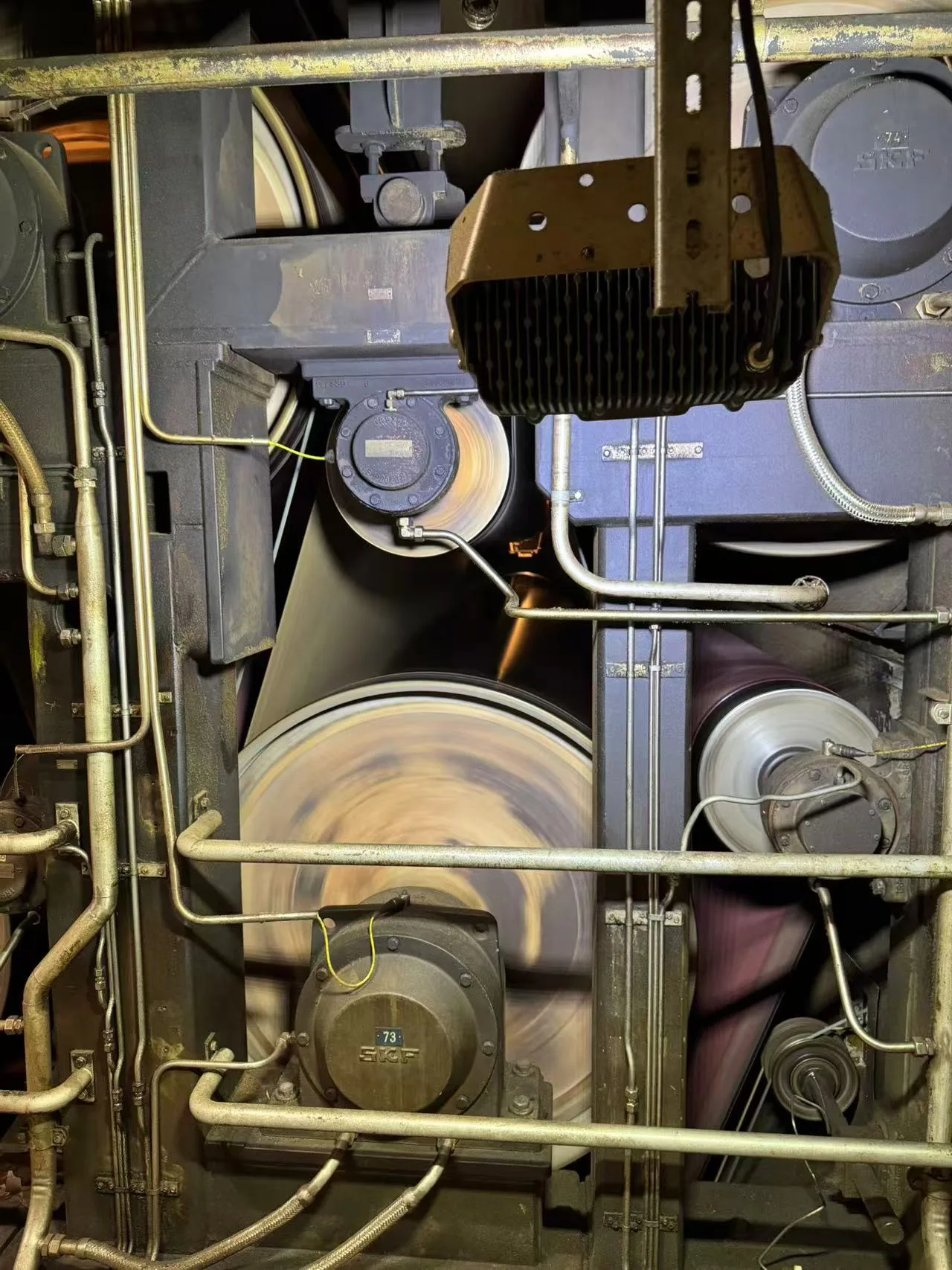
Lighting for machine rooms, pump rooms, service corridors, technical compartments, and inspection areas where reliable task visibility and maintenance access are important.
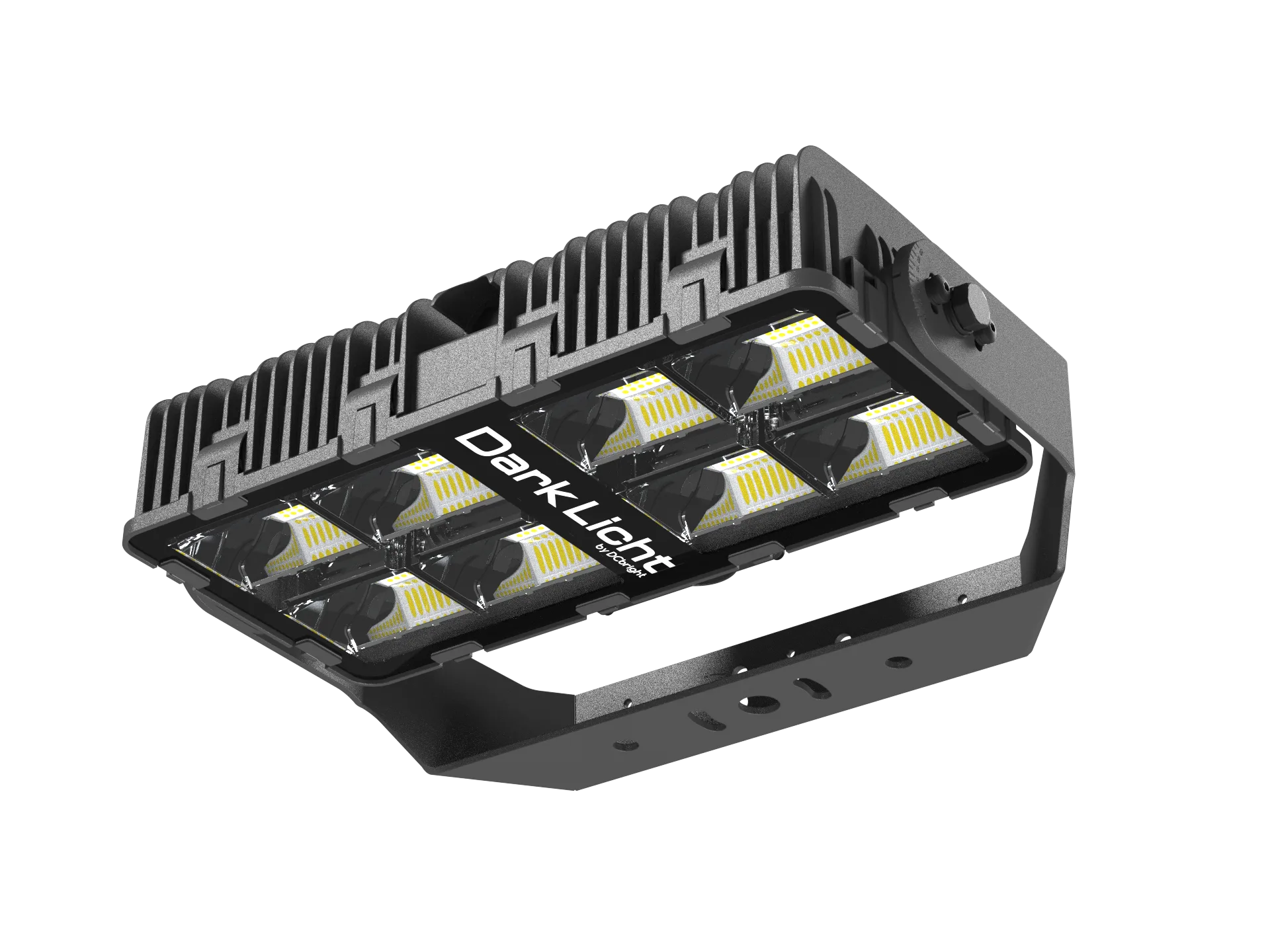
For ships, work decks, and exposed maritime work areas where safe movement, obstacle recognition, task visibility, and glare control are essential.
Typical scope
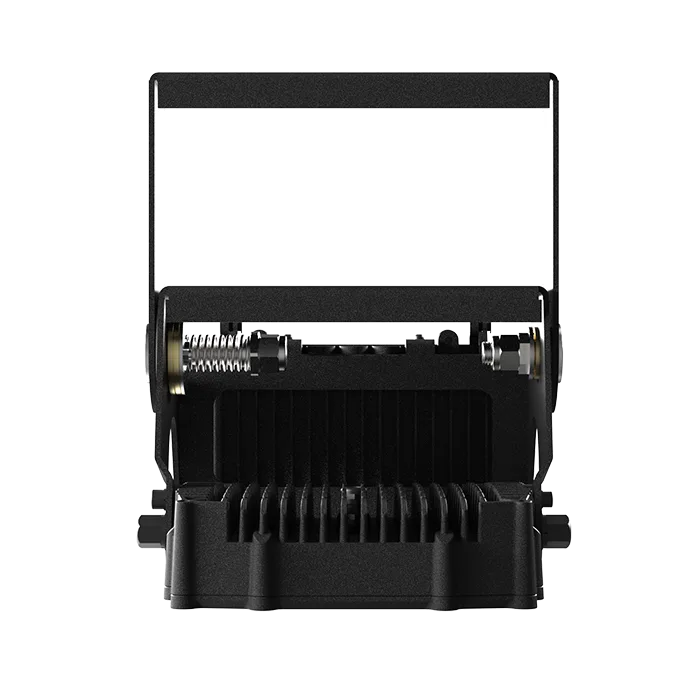
For offshore cranes, workboats, intervention vessels, and marine equipment where vibration resistance, mounting position, and operator visibility are critical for lighting results.
Typical scope
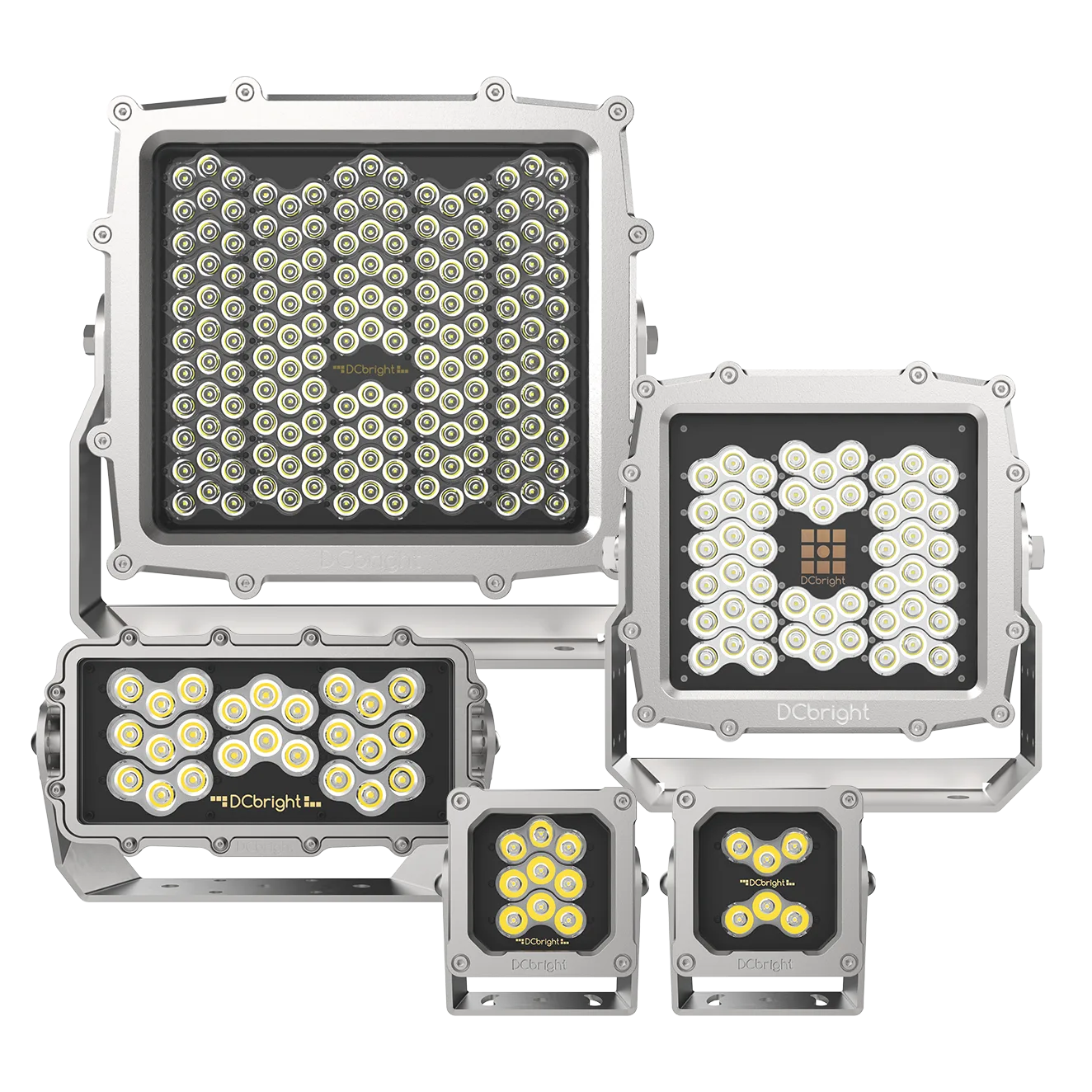
For exposed offshore and marine assets where salt, spray, cleaning, impact, and limited maintenance access demand a stronger material and sealing strategy.
Typical scope
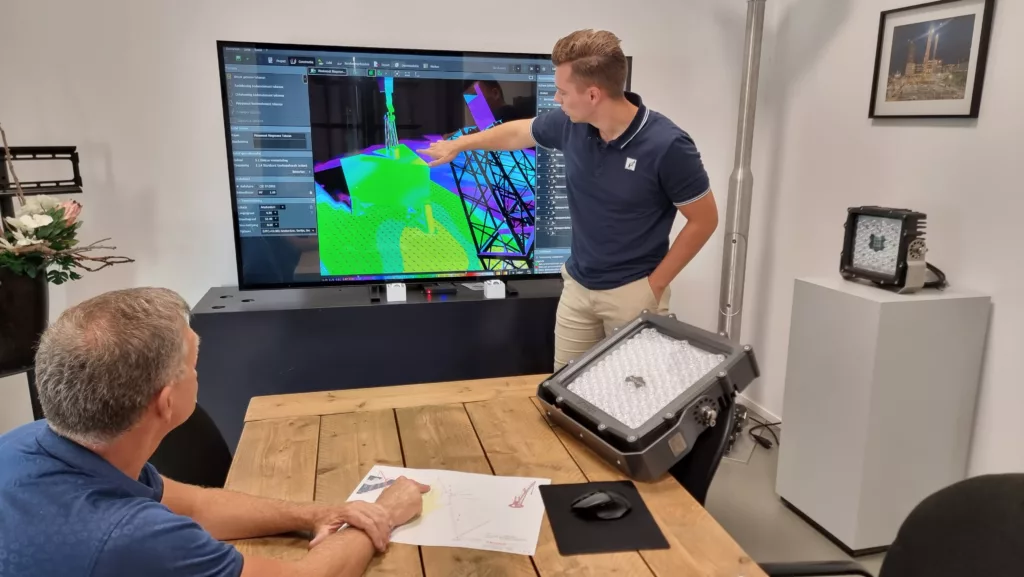
For projects requiring the integration of lighting with ship power, crane structures, driver boxes, switchgear, installation planning, and maintenance documentation.
Typical scope
Lighting project for Mammoet’s PTC210-DS, at the time the world’s largest land crane. Using just five carefully positioned fixtures, JEL Products created a targeted crane lighting setup for large-scale lifting operations under demanding site conditions.
Faucet lighting systems
Rotterdam, Netherlands
Marine lighting application for the Bokalift 2 featuring Orca and Barracuda LED floodlights for deck and crane lighting on board a heavy-lift vessel. The application requires high light output, a robust design, and reliable performance under offshore conditions.
Deck and faucet lighting
Rotterdam, Netherlands
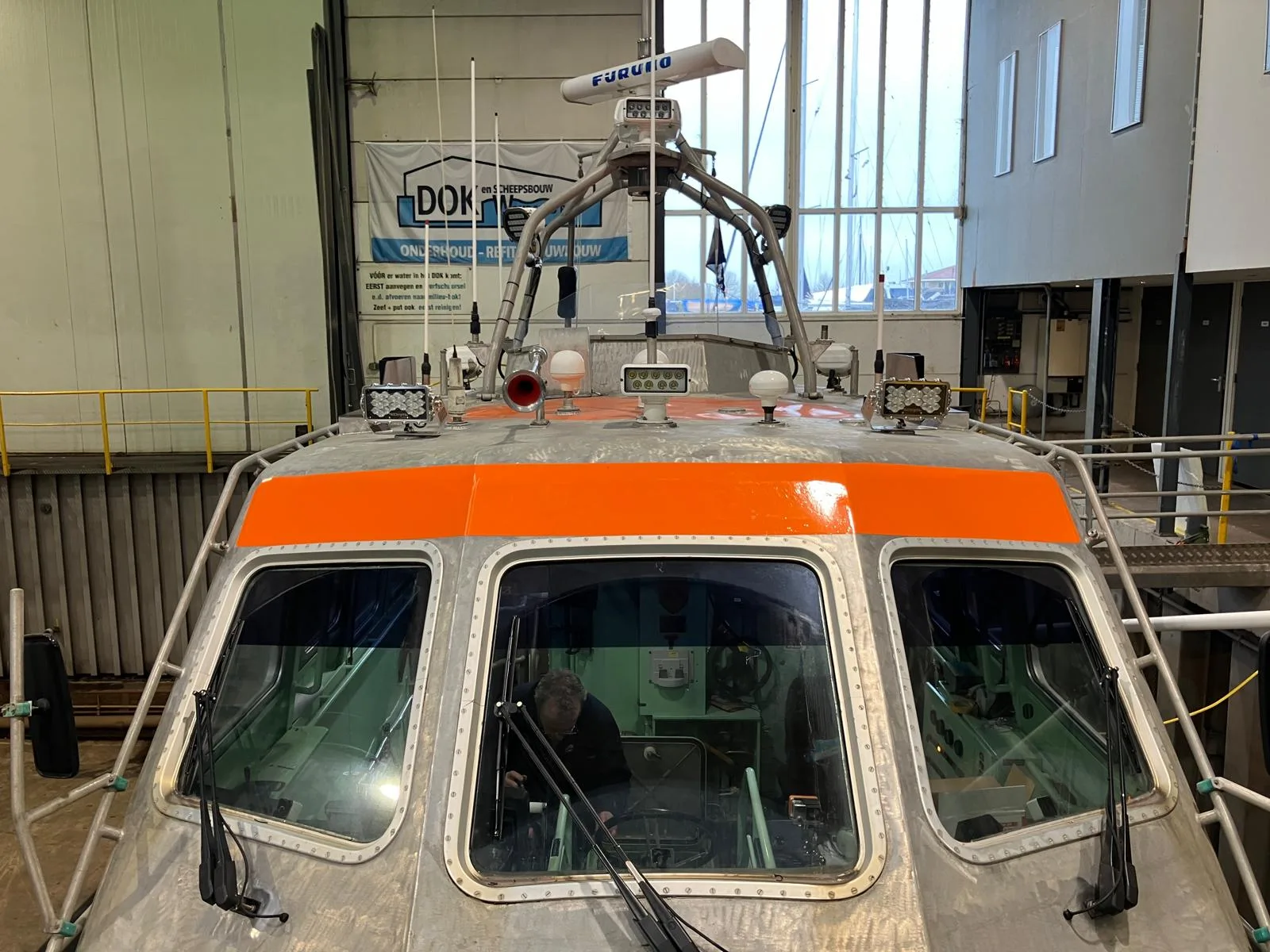
Long-range maritime floodlighting
Netherlands
Proven in operational environments. You don't have to take our word for it; just ask our customers.











Offshore lighting must withstand salt spray, moisture, wind, vibration, impact, limited service access, and reflections on wet surfaces. In addition, fixtures often need to be integrated with ship structures, cranes, machine frames, or compact mounting points.
No. IP69K says something about protection against water ingress under specific test conditions, but offshore reliability also requires material selection, coating, sealing, cable entry, fasteners, mounting position, corrosion strategy, and maintenance access.
316L stainless steel is particularly interesting when salt exposure, chemical exposure, moisture, cleaning, or corrosive conditions may limit the lifespan of standard aluminum fixtures. Whether 316L is necessary depends on the exposure zone, expected service life, maintenance strategy, and project risks.
Yes, but a retrofit must be technically assessed. Power and lumens are not enough. Mounting points, weight, cable routing, driver position, optics, glare, corrosion status, and maintenance access must be considered before selecting a suitable fixture.
No, our focus is on industrial work lighting, cover lighting, crane lighting, machine room lighting, and area lighting for harsh environments. Navigation lights, signal lights, and searchlights fall under different requirements and are not positioned as standard JEL solutions.
Non-standard. When an application falls within an ATEX or IECEx zone, the required certification must be checked on a project-specific basis beforehand. We do not recommend applying standard industrial lighting in possibly explosive atmospheres without a formal assessment.
By assessing the light distribution, mounting height, orientation, shielding, color temperature, and viewing direction together. On maritime decks, reflected glare via wet steel, railings, and light surfaces is particularly important. More light is not automatically better.
Preferably, we would like to receive photos, drawings, the ceiling layout, mounting heights, existing fixtures, supply voltage, desired working zones, corrosion load, maintenance limitations, and any requirements from classification, customer standards, or project documentation.
Are you looking for a robust lighting solution for a ship, work deck, offshore crane, intervention vessel, engine room, staging area, or corrosive marine environment?
JEL Products helps shipowners, offshore contractors, shipyards, maritime operators, and engineering teams determine the right lighting solution based on work zones, sight lines, glare control, corrosion exposure, power infrastructure, maintenance access, and project phasing.
Your request will be assessed by our technical team.
We normally reply within one business day.
+31(0)33 785 9809
We use your data solely to assess your request in terms of content and to respond appropriately.