Home " Sectors " Lighting for heavy industry & extreme heat
Lighting for heavy industry & extreme heat
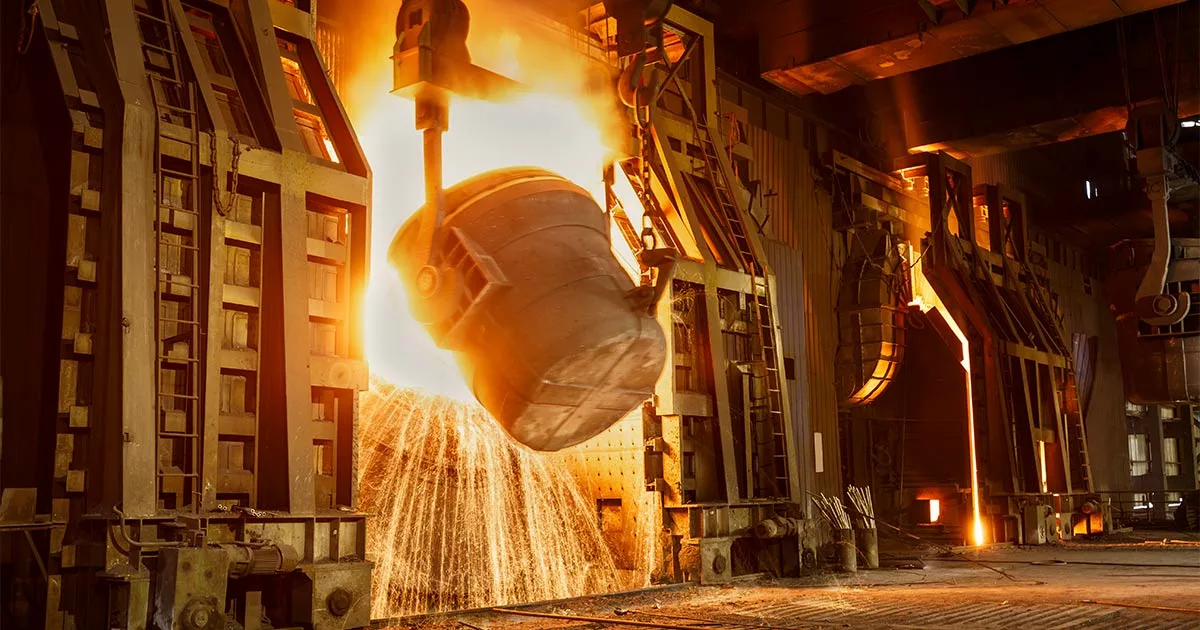
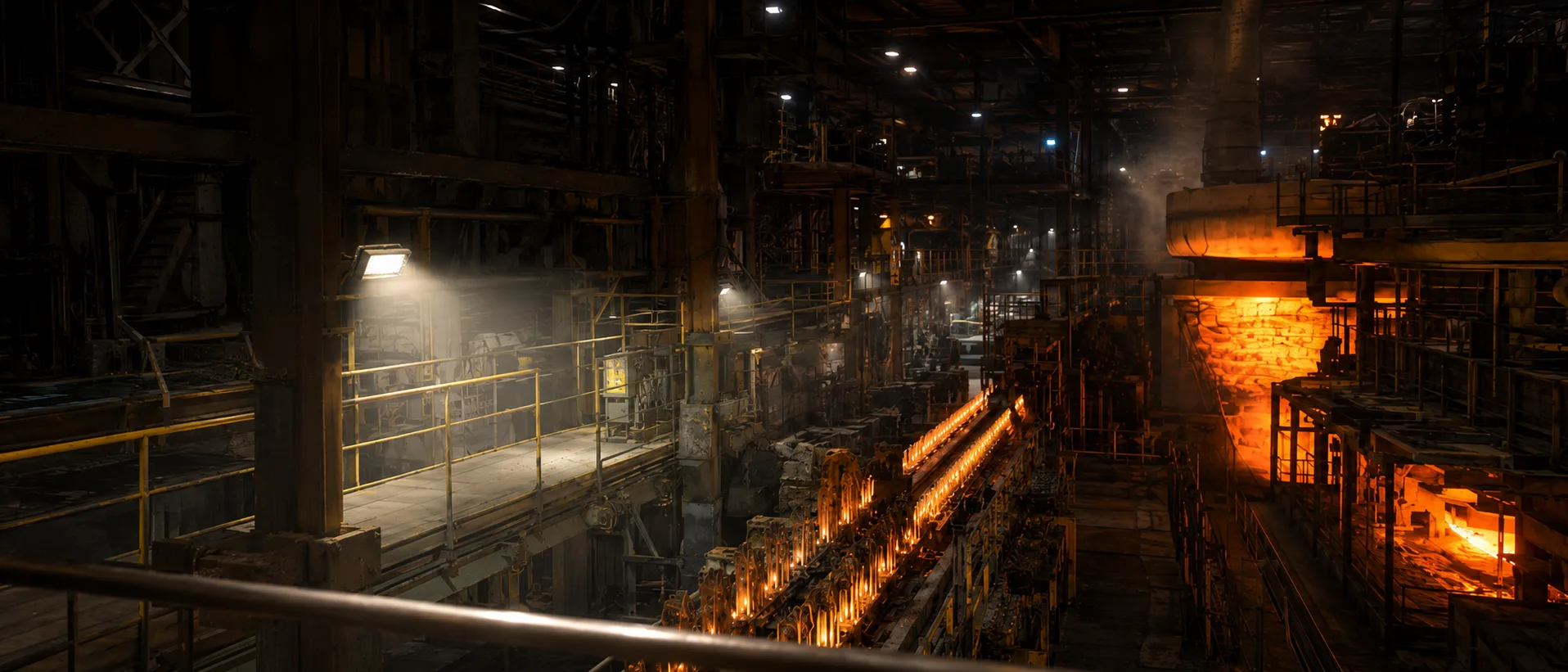
Harsh industrial environments expose lighting systems to heat, dust, vibration, impact, moisture, cleaning cycles, and limited access for maintenance. JEL Products develops industrial lighting systems for steel mills, glass factories, climate chambers, production lines, process zones, and other harsh environments where standard LED fixtures often fail prematurely.
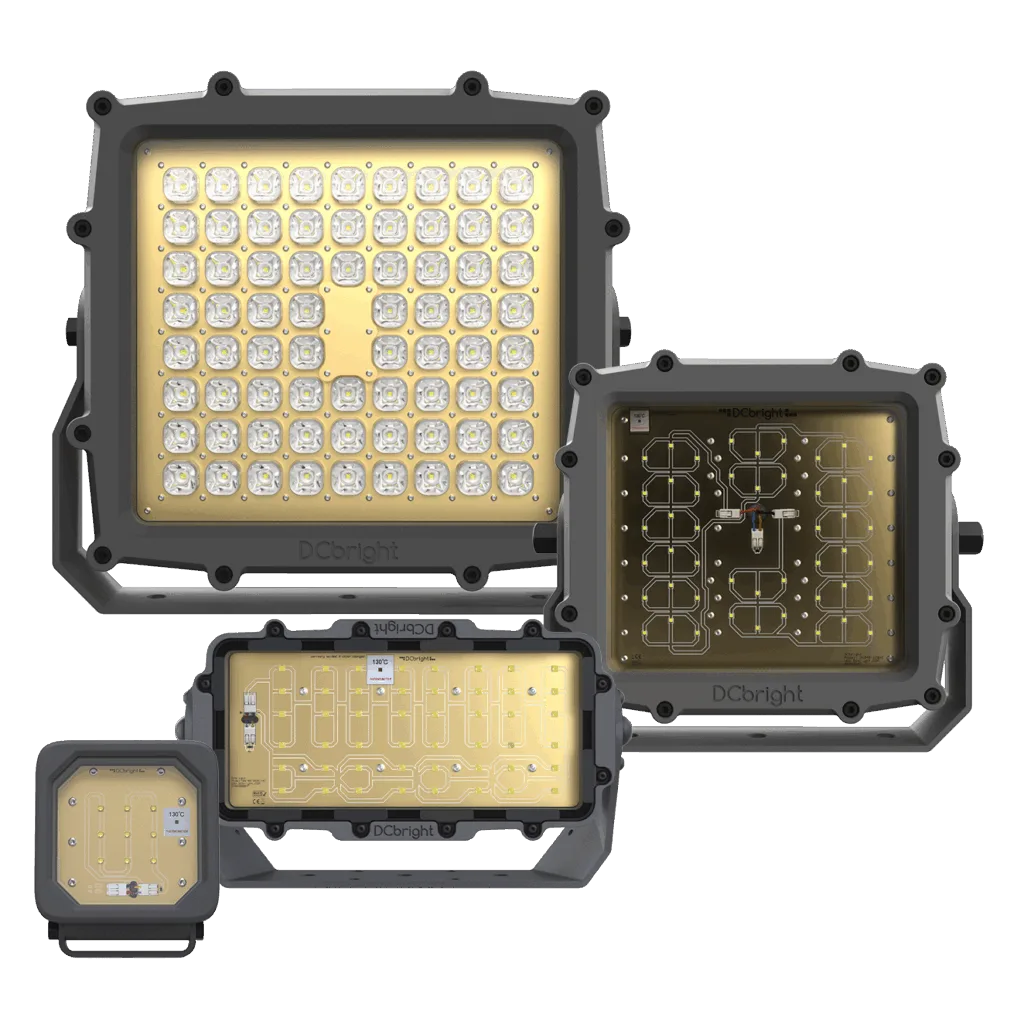
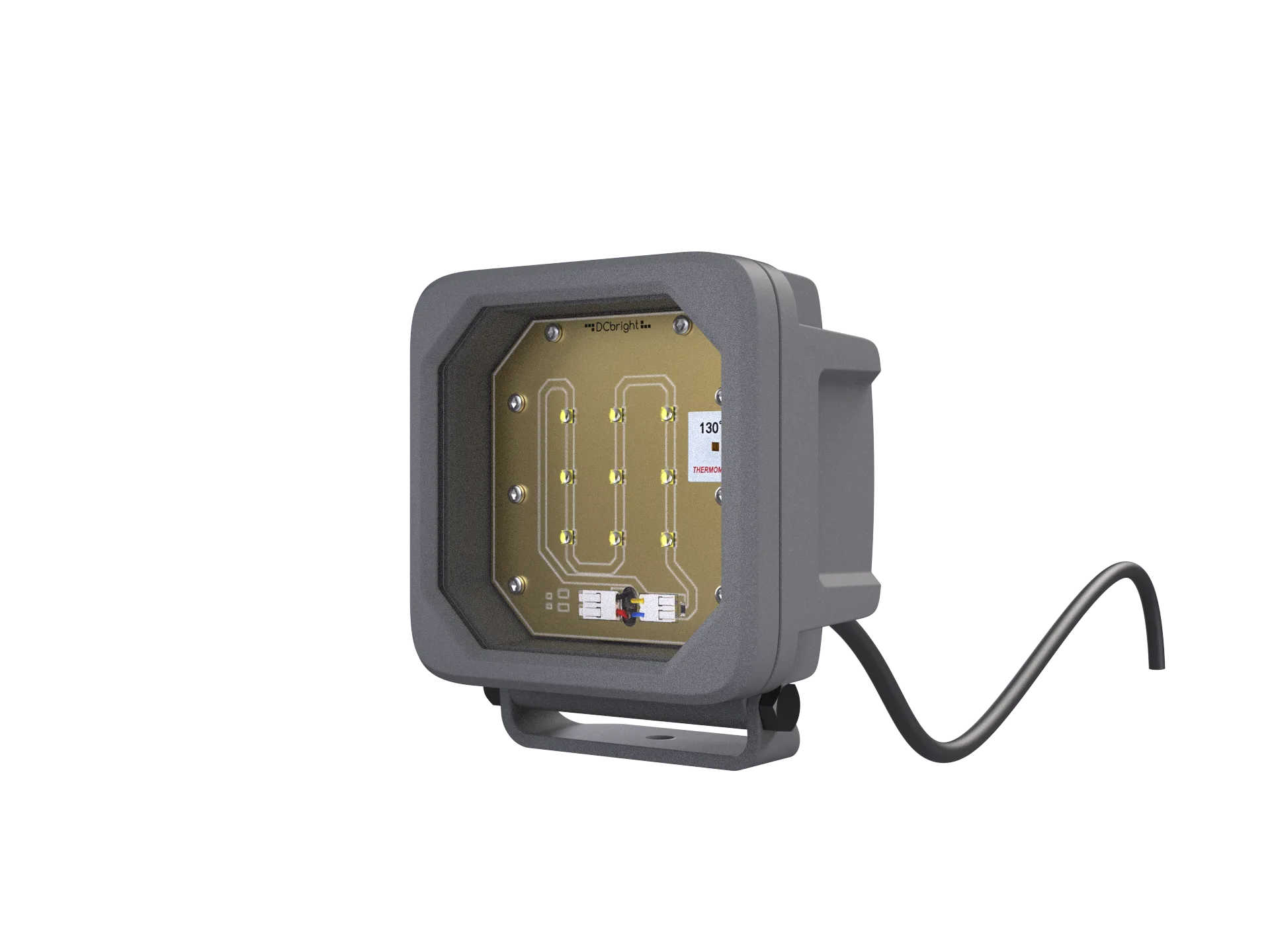
High-temperature configurations for selected environments up to +130 °C
Remote driver strategies for heat-sensitive electronics
Robust fixtures for dust, vibration, impact, moisture, and industrial cleaning
Lighting systems designed around operational reliability, safety, and maintenance access
Lighting for heavy industry as a reliability system
Lighting in heavy industry is not just about achieving lux values. In hot, contaminated, or mechanically demanding environments, the lifespan of a luminaire is often determined by thermal management, driver placement, sealing, material choice, vibration resistance, and maintenance access.
A robust industrial lighting system needs to remain reliable under real operating conditions, not just based on a datasheet. This requires practical insight into ambient temperature, radiant heat, contamination, cleaning methods, mounting positions, electrical infrastructure, and maintenance windows.
Typical challenges
High ambient temperatures near ovens, furnaces, and process lines Radiant heat from hot material, steel, glass, or industrial processes
Dust, oil mist, steam, moisture, and aggressive contaminants
Vibration and impact from machines, cranes, or production equipment
Limited access for inspection, cleaning, and replacement
Driver failures due to heat exposure
Long operating hours and high demands for production continuity
Technical summary
JEL Products designs and supplies industrial lighting systems for heavy industry, high-temperature environments, steel mills, glass manufacturing, climate chambers, production facilities, and demanding process environments.
Typical applications
Steel plants, hot rolling mills, furnace zones, glass factories, climate chambers, industrial furnaces, process lines, machine zones, production halls, crane zones, maintenance platforms, and industrial outdoor areas.
Residential lighting, decorative lighting, barbecue lighting, webshop replacements, projects solely focused on the lowest purchase price, or certified ATEX zones, unless the required certification and project-specific circumstances have been individually verified.
Important design factors
Thermal management & lifetime reliability
High-temperature lighting requires more than just a heat-resistant housing. LED chips, lenses, seals, cables, and especially drivers all react differently to heat. A fixture can remain mechanically functional yet fail prematurely when its electronics are exposed to excessively high temperatures.
Assessment of ambient temperature and radiant heat
Remote driver placement where necessary
Thermal separation between luminaire and electronics
Service life strategy based on actual operating conditions
Read more...
In high-temperature environments, a clear distinction must be made between ambient temperature and radiant heat. Ambient temperature is the air temperature surrounding the fixture, while radiant heat can directly impact the fixture's surface through hot steel, glass, ovens, or process equipment.
In many projects, the driver is the most vulnerable component. By placing the driver outside the hot zone, reliability can be significantly improved, provided that cabling, voltage drop, connector selection, and enclosure temperature are correctly assessed.
The goal is not just to install a fixture that works on day one, but to maintain predictable performance throughout the entire lifespan of the installation.
Dust, pollution & cleaning load
Harsh industrial environments often combine dust, oil mists, steam, moisture, or cleaning procedures. These conditions affect optical performance, sealing, heat dissipation, and service intervals.
Accumulation of dust and dirt on lenses and housings
IP protection tailored to cleaning and exposure
Materials and coatings selected for the environment
Maintenance planning based on pollution level
Read more...
Pollution can reduce light output, increase surface temperatures, and shorten the effective lifespan of a lighting system. In hot or dusty environments, even a robust fixture can underperform if cleaning access and optical contamination are ignored.
The required IP rating depends on the actual exposure. Some environments require protection against dust and moisture, while other applications must withstand high-pressure cleaning or aggressive industrial contamination. The correct choice depends on process conditions, cleaning methods, and mounting position.
A reliable design not only considers the initial lighting calculation but also how the installation performs after months or years of exposure.
Trilling, impact & mechanical integration
Heavy industry often exposes lighting to vibrations, shocks, moving machinery, crane movements, or incidental impacts. Luminaire selection and mounting details must be adapted to the mechanical environment.
Selection of vibration-resistant fixtures and brackets
IK classification aligned with impact risk
Secure mounting on cranes, machines, or constructions
Interface control for long-term stability
Read more...
Mechanical reliability is often underestimated in industrial lighting projects. A fixture with high light output can still become a maintenance problem if brackets, fasteners, cable entries, or mounting interfaces are not suitable for vibration and movement.
Crane and machine-mounted lighting requires extra attention. Weight, light direction, cable routing, and access for replacement determine whether the system remains practical in daily operations.
The design must treat lighting as part of the machine or construction, not as an accessory added after the main engineering is complete.
Maintenance access & production continuity
In heavy industry, lighting maintenance is often expensive, disruptive, or only possible during planned shutdowns. Therefore, accessibility, modularity, and a long-term replacement strategy are essential.
Lighting design tailored to available maintenance windows
Access to drivers and components outside of critical zones where possible.
Less need for high-risk maintenance at height
Spare parts and replacement strategy for long-term operation
Read more...
Many industrial lighting failures become costly because the fixture is installed in a location that is difficult, hot, or unsafe to access. Even a simple replacement can lead to downtime, permits, aerial work platforms, scaffolding, or production stoppages.
A good lighting system reduces this risk by incorporating service access from the outset. Remote drivers, modular replacement, practical mounting positions, and clear documentation can reduce downtime and improve maintainability.
The goal is stable operation throughout the asset's entire lifecycle, not just a technically correct installation at handover.
What we offer
Applications in heavy industry & extreme heat
Discover the main applications in high-temperature environments and heavy industry, where light performance, integration, and lifespan strategies differ significantly.
Extreme heat
Radiant heat
Process Safety
Steelworks & hot processing zones
Lighting for steel production, hot rolling processes, casting zones, furnace zones, and adjacent process environments where heat, dust, radiant heat, and limited access define the technical challenge.
Heat & radiant heat
Dust, steel particles & impact
Remote drivers outside the hot zone
Maintenance during production stoppages
View of roll lines & casting zones
Radiant heat
Income tax
Production continuity
Glass Production & Hot Furnace Zones
Lighting for glass factories, furnace zones, forming lines, and inspection areas where radiant heat, high ambient temperatures, dust, and vapor limit the reliability of standard fixtures.
Radiant heat from ovens and hot glass
Durable lenses, seals & materials
Remote drivers under high heat load
View of forming lines & inspection zones
Reliability for dust, vapor, and heat
Temperature cycles
Condensation
Test conditions
Climate Chambers & Test Environments
Lighting for climate chambers, temperature chambers, and controlled test setups where temperature fluctuations, condensation, limited space, and precise test conditions determine fixture selection.
Working with temperature fluctuations
Sealing against condensation
Compact integration in test rooms
Limited heat input from lighting
Uniform lighting of test setups
Process heat
Remote drivers
Maintenance access
Industrial ovens & process lines
Lighting for ovens, dryers, heat treatment lines, and process zones where recurring heat load, contamination, and limited maintenance access demand a technically tailored solution.
Assembly near ovens and dryers
Separation of armature and electronics
Heat-resistant wiring and connectors
Task lighting for inspection and maintenance
Heavy-duty
Machine environment
Reliability
Production halls & machine zones
Lighting for heavy-duty production halls, machinery, conveyor belts, platforms, and work areas where dust, moisture, vibration, and mechanical stress affect visibility and lifespan.
Vibration, dust, moisture & impact
Visibility around machines and platforms
Low-maintenance installation
Integration with existing infrastructure
Trilling
Operator view
Machine integration
Cranes & heavy equipment
Lighting for overhead cranes, process cranes, mobile machinery, and heavy industrial equipment where vibration, shock load, mounting position, and operator visibility are determining factors.
Vibration and shock resistant mounting
Light effect on tension zones and load paths
Compact integration on faucet or machine
Protected cable routing
Less glare for operators
Solutions for harsh industrial environments
Lighting projects in heavy industry rarely rely on a single type of fixture. High-temperature fixtures, work lights, floodlights, remote drivers, brackets, wiring, and maintenance strategy must work together as one reliable system.
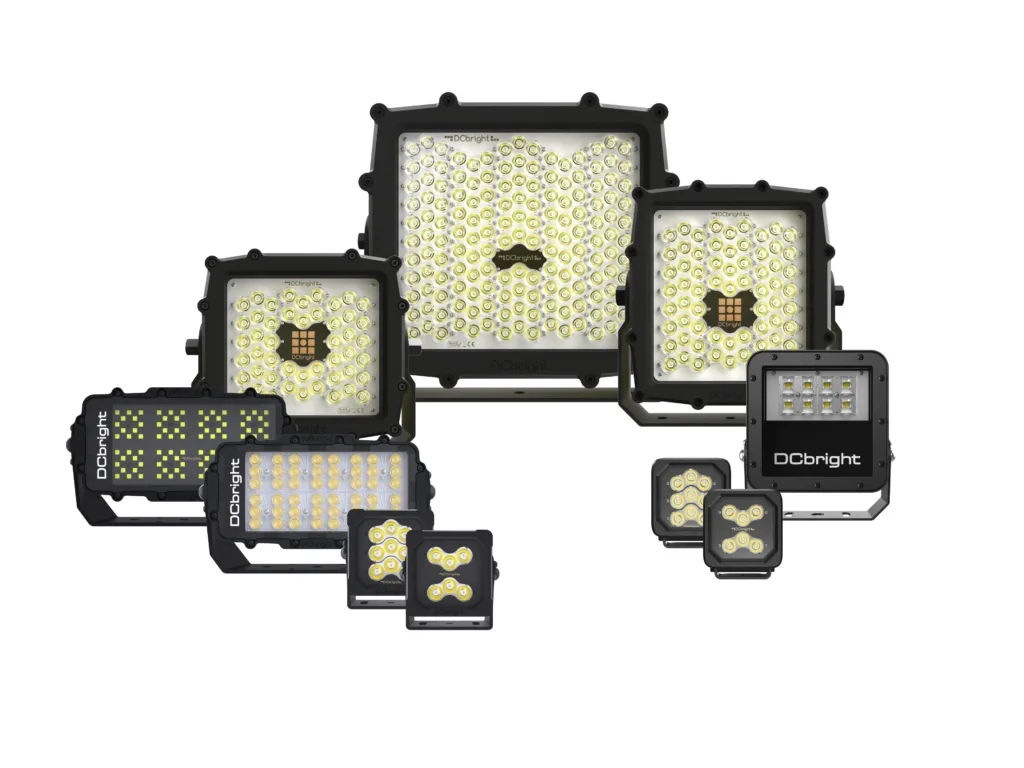
For large production areas, crane zones, outdoor sites, and heavy-duty work areas where high light output, optical control, and robust construction are required.
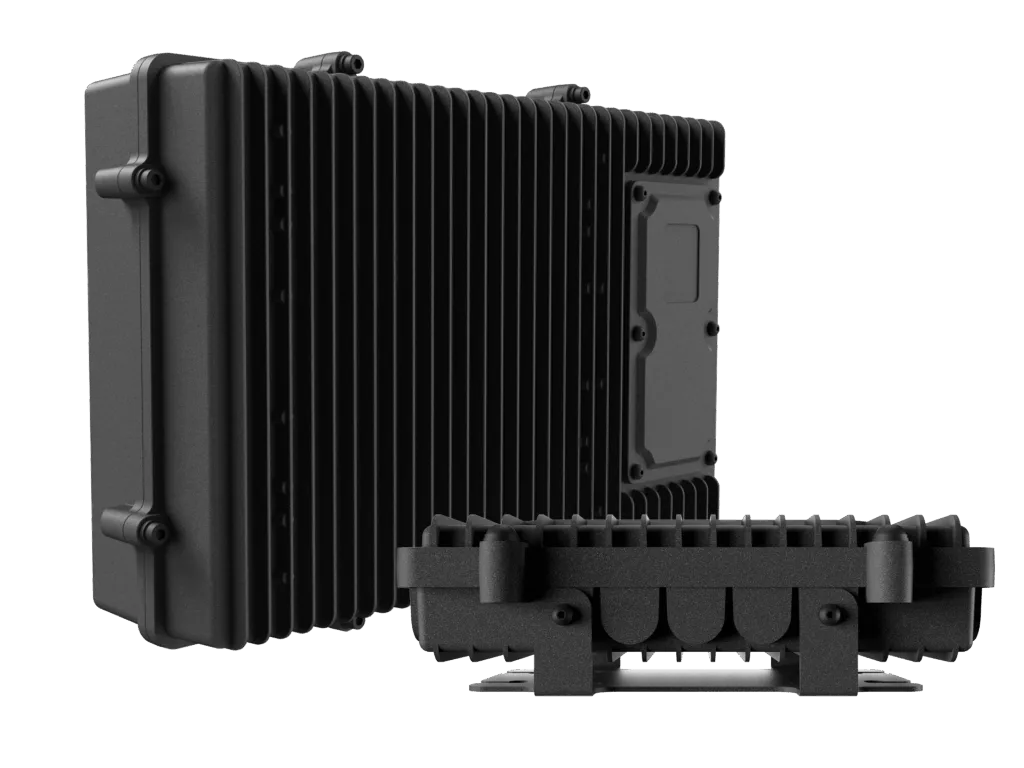
For hot environments where electronics need to be placed outside the heat zone to improve reliability and maintainability.
Typical scope
Operating and driver cabinets
Remote driver boxes
Cable Length and Voltage Drop Control
Connector selection
Control integration and placement
Reference Projects
Tata Steel
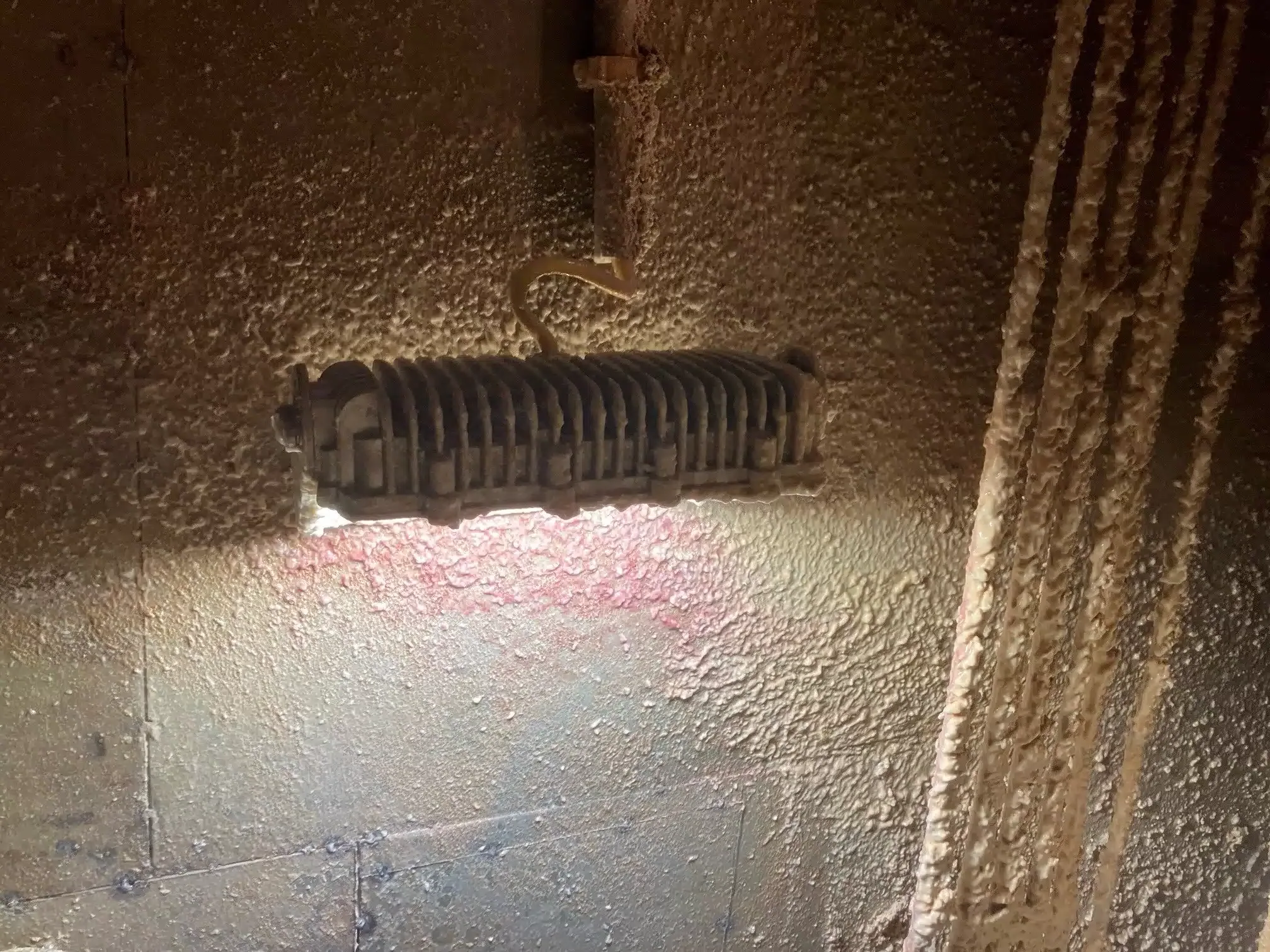
Tata Steel needed an lighting solution for a high-temperature steel production environment where conventional lighting regularly failed due to heat, impact, and steel splashes.
JEL Products supplied BA-48 Barracuda HT luminaires, designed for demanding industrial conditions and reliable performance in the vicinity of extreme process heat. The improved lighting enhanced visibility on the shop floor and contributed to safer working conditions in an environment where durability and reliability are crucial.
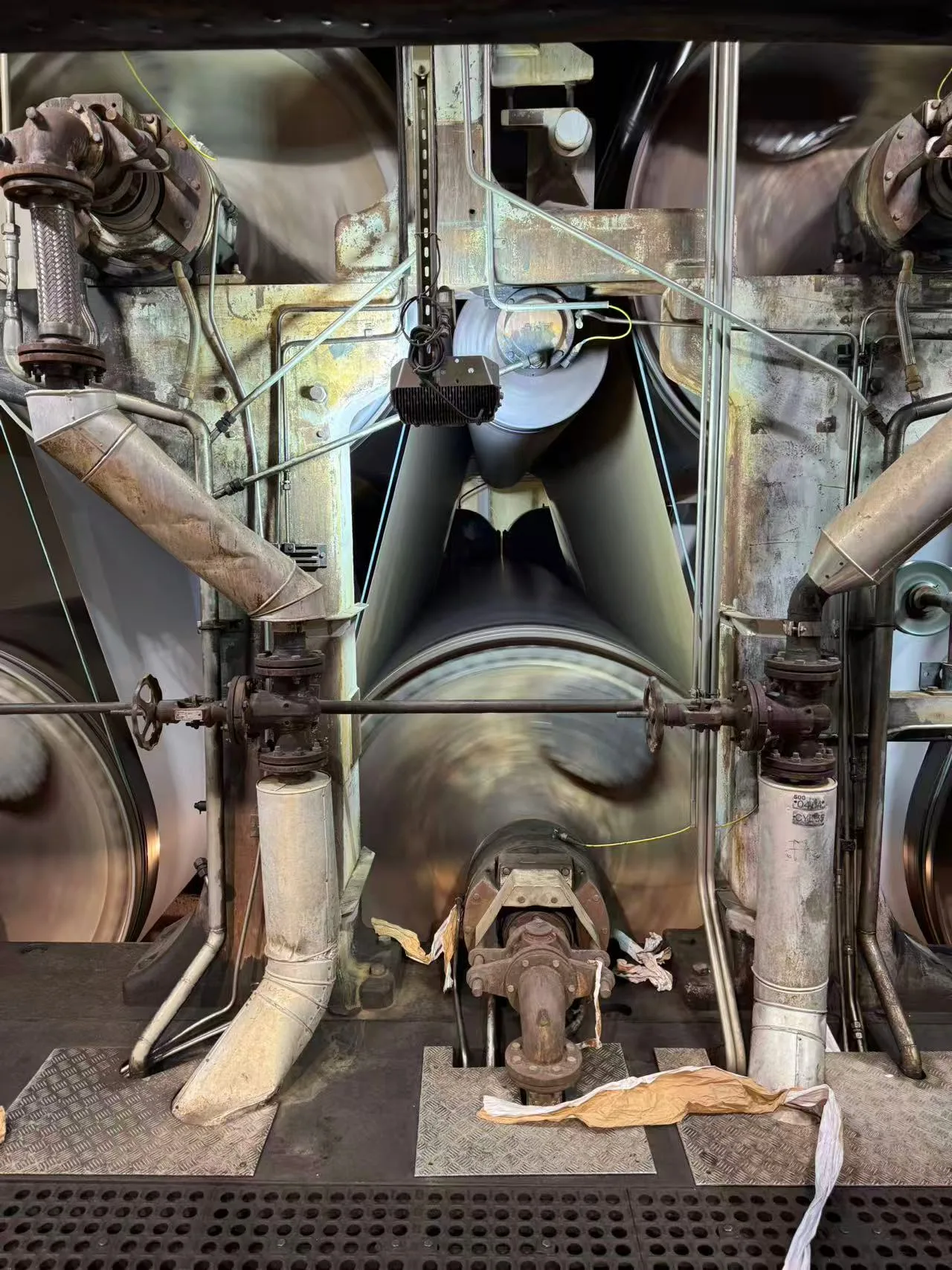
VPK Paper uses JEL Products lighting on its paper machines to improve visibility during operation, inspection, and maintenance. The SN-35 Snapper HT was selected for its compact design, high light output, and suitability for demanding industrial machine environments.
Following a successful initial installation and evaluation period, VPK Paper has begun phased replacement of the lighting along the 80-meter-long paper machine. The result is a more practical and reliable lighting setup for daily operations and planned maintenance.
Farm Frites uses SN-35-SS Snapper HT luminaires in its drying tunnels, which are constructed entirely of 316L stainless steel. The lighting solution was selected to enhance visibility and safety in the production process while meeting the hygiene requirements of a food production environment.
The stainless steel construction, compact design, and suitability for high temperatures make the fixtures a good fit for this application, where heat resistance, cleanability, and reliable operation must come together in one solution.
“We partnered with JEL Products on the outdoor lighting for DFDS. In our experience, JEL has a solid understanding of the day-to-day operations of a terminal and possesses strong technical expertise in developing tailored solutions.”
Richard K.General Manager | DFDS Seaways
“The collaboration was excellent. In the end, we implemented a high-quality solution for our terminal. I would definitely recommend JEL Products to others in the industry.”
Jesse M.Project Manager | BUSS Terminal Eemshaven
“JEL Products has helped us achieve energy savings of 53%, while significantly improving visibility at the DFDS terminal in Vlaardingen.”
Leon C.Port Manager | DFDS Seaways
A selection of our valued clients
Frequently Asked Questions
What makes high-temperature lighting different from standard industrial lighting?
High-temperature lighting is designed around heat load, driver reliability, material selection, lens performance, wiring, and maintenance access. Standard LED fixtures often fail prematurely when drivers or components are exposed to excessive temperatures.
What is the difference between ambient temperature and radiant heat?
Ambient temperature is the air temperature surrounding the fixture. Radiant heat comes directly from hot materials, ovens, furnaces, or process equipment and can stress the surface of the fixture, even when the ambient air temperature is lower.
Why are remote drivers used in high-temperature environments?
LED drivers are usually more sensitive to heat than the luminaire housing. Placing drivers outside the hot zone can improve reliability and simplify maintenance, provided the electrical configuration is correctly assessed.
Are these fixtures ATEX certified?
High-temperature lighting or heavy-duty lighting is not automatically ATEX lighting. When a zone requires ATEX certification, this must be confirmed separately beforehand before selecting a solution.
Can LED lighting be used near ovens or hot process lines?
Yes, but only when temperature, radiant heat, mounting position, driver placement, wiring, and maintenance access are assessed. Not every LED fixture is suitable for mounting near ovens or hot process environments.
What specifications are most important for heavy industry lighting?
Important specifications include ambient temperature range, light distribution, light output, IP rating, IK rating, material selection, sealing, driver configuration, voltage range, vibration resistance, and maintenance access.
Is IP69K always required?
No. IP69K is relevant when high-pressure cleaning or heavy contamination is present. In other environments, a different IP rating may be sufficient. The required protection depends on dust, moisture, cleaning method, and installation position.
Can existing industrial lighting be upgraded?
Yes. Retrofit projects usually require assessment of mounting positions, electrical infrastructure, heat load, pollution, access conditions, and required light performance before new luminaires are selected.
Discuss your industrial environment
Are you looking for a reliable lighting solution for a high-temperature zone, steel mill, glass factory, climate chamber, process line, crane zone, or heavy industrial production environment?
JEL Products helps operators, OEMs, contractors, and engineering teams determine the right lighting solution based on temperature, radiant heat, contamination, vibration, mounting position, driver placement, maintenance access, and operational requirements.
Your request will be assessed by our technical team. We normally reply within one business day.