
Una terminal portuaria consta de grúas, patios de almacenamiento, zonas de refrigeración, infraestructura de energía y instalaciones de mantenimiento. Un buque de alta mar consta de zonas de cubierta, salas de máquinas, áreas de riesgo y puntos de integración constructiva. Una planta de acero consta de zonas con altas temperaturas ambientales, vibraciones, calor radiante y ventanas de mantenimiento limitadas.
Diseñar iluminación sin comprender el sector completo, o como lo abordamos nosotros: el ecosistema operativo completo, lleva a:
En JEL Products, cada proyecto comienza con un análisis de todo el ecosistema operativo.

Los puertos operan 24/7 bajo alta carga de viento, condiciones marítimas corrosivas y estrictos requisitos de seguridad. Los sistemas de iluminación deben integrarse con las construcciones de grúas, mástiles de luz altos e infraestructura del sitio sin interrumpir las operaciones diarias.
Características operacionales:
Dentro de este ecosistema apoyamos, entre otras cosas:
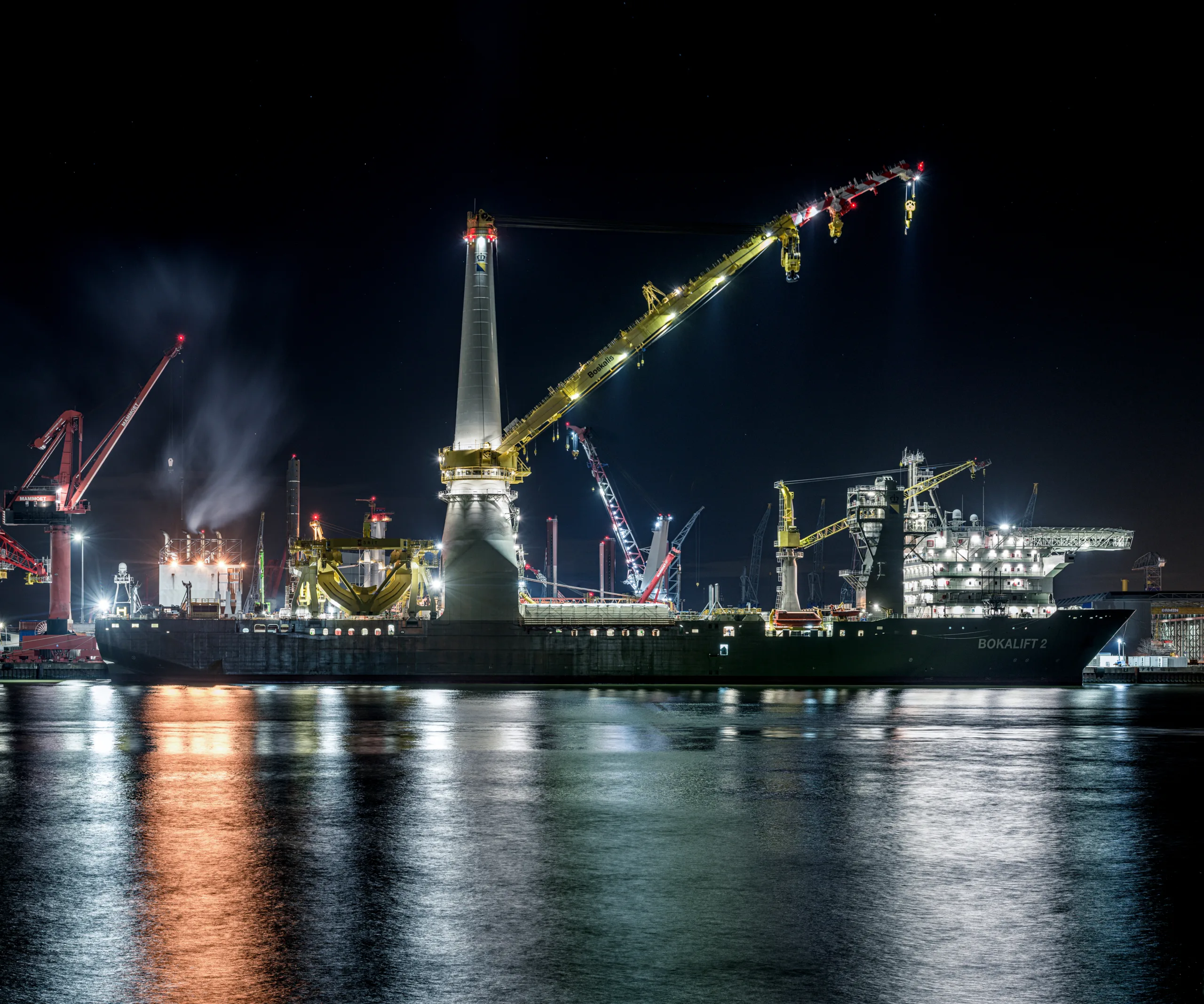
Los entornos marinos exigen sistemas de iluminación mecánicamente robustos, resistentes a la corrosión y de fácil mantenimiento. Estos sistemas a menudo funcionan en condiciones climáticas extremas, exposición a la sal, vibraciones y acceso limitado para servicio o reemplazo.
Características operacionales:
Dentro de este ecosistema apoyamos, entre otras cosas:

Entornos industriales severos exponen los sistemas de iluminación a altas temperaturas ambiente, radiación IR, polvo, vibraciones y cargas mecánicas. Por lo tanto, la ingeniería debe centrarse en la gestión térmica, la resistencia de los materiales y el comportamiento predecible de la vida útil.
Características operacionales:
Dentro de este ecosistema apoyamos, entre otras cosas:
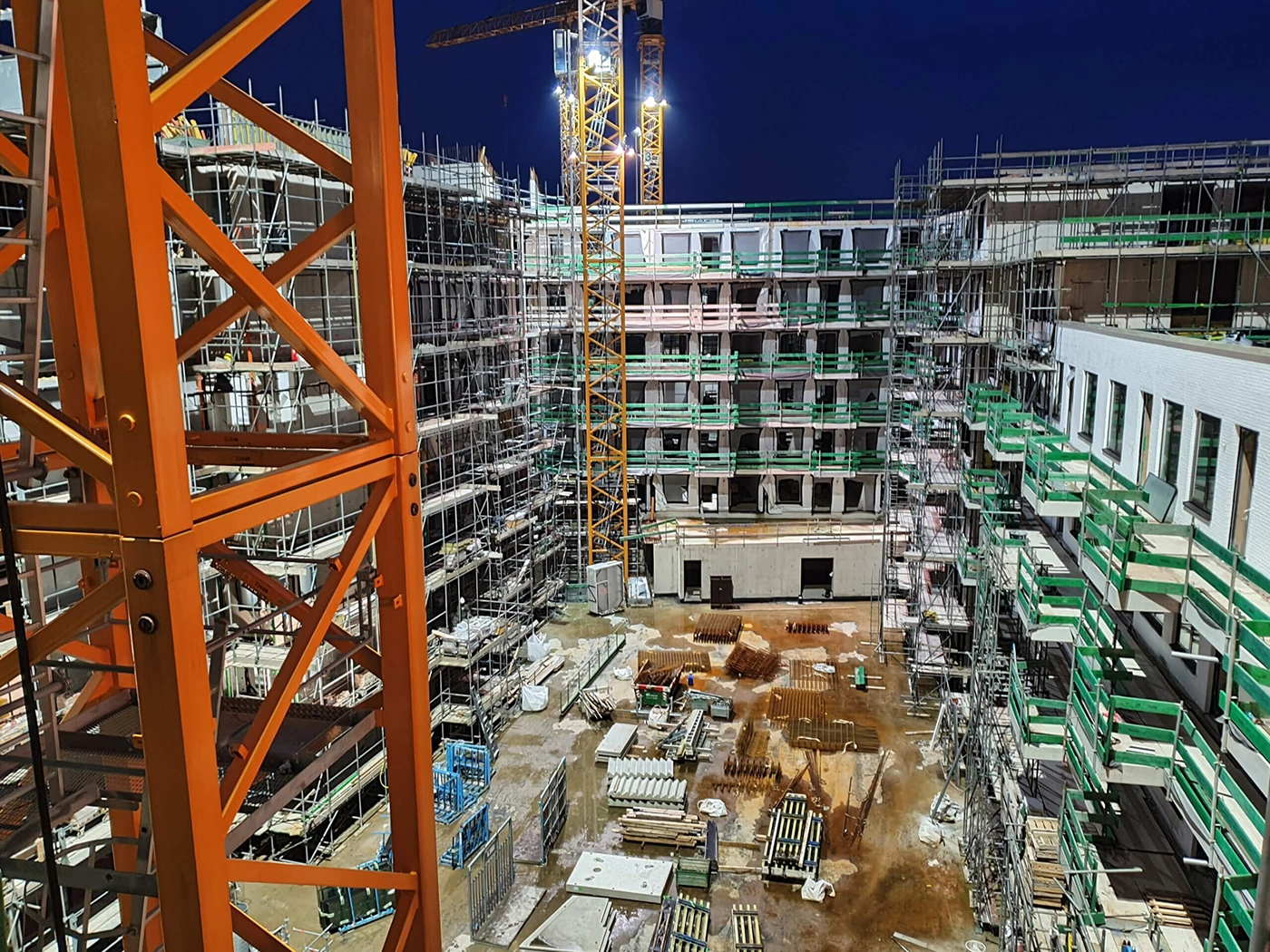
Los entornos operativos temporales requieren sistemas de iluminación robustos, de rápida implementación y constructivamente adecuados. Estos sistemas deben poder integrarse con grúas, mástiles de iluminación móviles e infraestructura de terreno temporal, al tiempo que se minimiza en la medida de lo posible el impacto en el entorno.
Características operacionales:
Dentro de este ecosistema apoyamos, entre otras cosas:

Las máquinas industriales móviles funcionan bajo vibraciones continuas, cargas de choque mecánicas e influencias ambientales variables. Los sistemas de iluminación deben caber en espacios de montaje limitados, ser compatibles con el voltaje a bordo y permanecer fiables durante las horas de funcionamiento intensivas.
Características operacionales:
Dentro de este ecosistema apoyamos, entre otras cosas:

Independientemente del entorno operativo, los sistemas de iluminación siempre interactúan con las construcciones, la infraestructura eléctrica, las cargas ambientales y la estrategia de mantenimiento.
Nuestro enfoque de ingeniería se aplica consistentemente en instalaciones fijas, infraestructura temporal y activos móviles.
Probado en entornos operativos. No tiene que creernos; pregúnteles a nuestros clientes.











Apoyamos a operadores industriales, contratistas y empresas de ingeniería en la definición de sistemas de iluminación que se ajusten a su contexto operativo completo.
+31 33 785 9809
Utilizamos sus datos exclusivamente para evaluar el contenido de su solicitud y responder adecuadamente.