
Tata Steel IJmuiden wanted to become more sustainable, and that also meant updating the lighting. The existing system could be made more energy-efficient, but during the inventory, it became clear that there was more to gain: in several areas, the lighting could also simply be improved.
Therefore, instead of replacing lights one-to-one per location, additional lighting was installed where it demonstrably improved the work environment. Sustainability and better visibility went hand in hand. You can read more about this on our page about lighting for steel mills.
The problem wasn't in the lighting design, but in the environment. Close to the hot steel, the temperature rises to +120 °C, the steel emits infrared radiation, and the air composition is aggressive.
The task was therefore mainly a material and thermal task: to make a luminaire resistant to that aggressive air, to the infrared radiation and to the high temperatures, without sacrificing light output or lifespan.
Standard industrial luminaires cannot withstand the production process. Not due to a single factor, but due to the accumulation: ambient heat, heat entering as infrared radiation, and air that corrodes materials.
Therefore, the situation was assessed on a per-location basis, and our HT versions were chosen rather than a single standard solution.
Contact our engineering team to discuss lighting for steel mills, casting processes, or other environments with heat and infrared radiation.
Sustainability and improvement of lighting near the production process
IJmuiden, Netherlands
Steel producer
Near the hot steel: up to +120 °C, infrared radiation, and an aggressive air composition
Existing lighting could be more energy-efficient, and in some places, also better.
Lighting design and engineering, installation design, delivery of high-temperature luminaires
Snapper HT, Barracuda HT, and Orca HT (quantities are not disclosed upon request)
100 lux near the workspace, uniformity up to 0.55, performing despite environmental factors
EN 12464-1
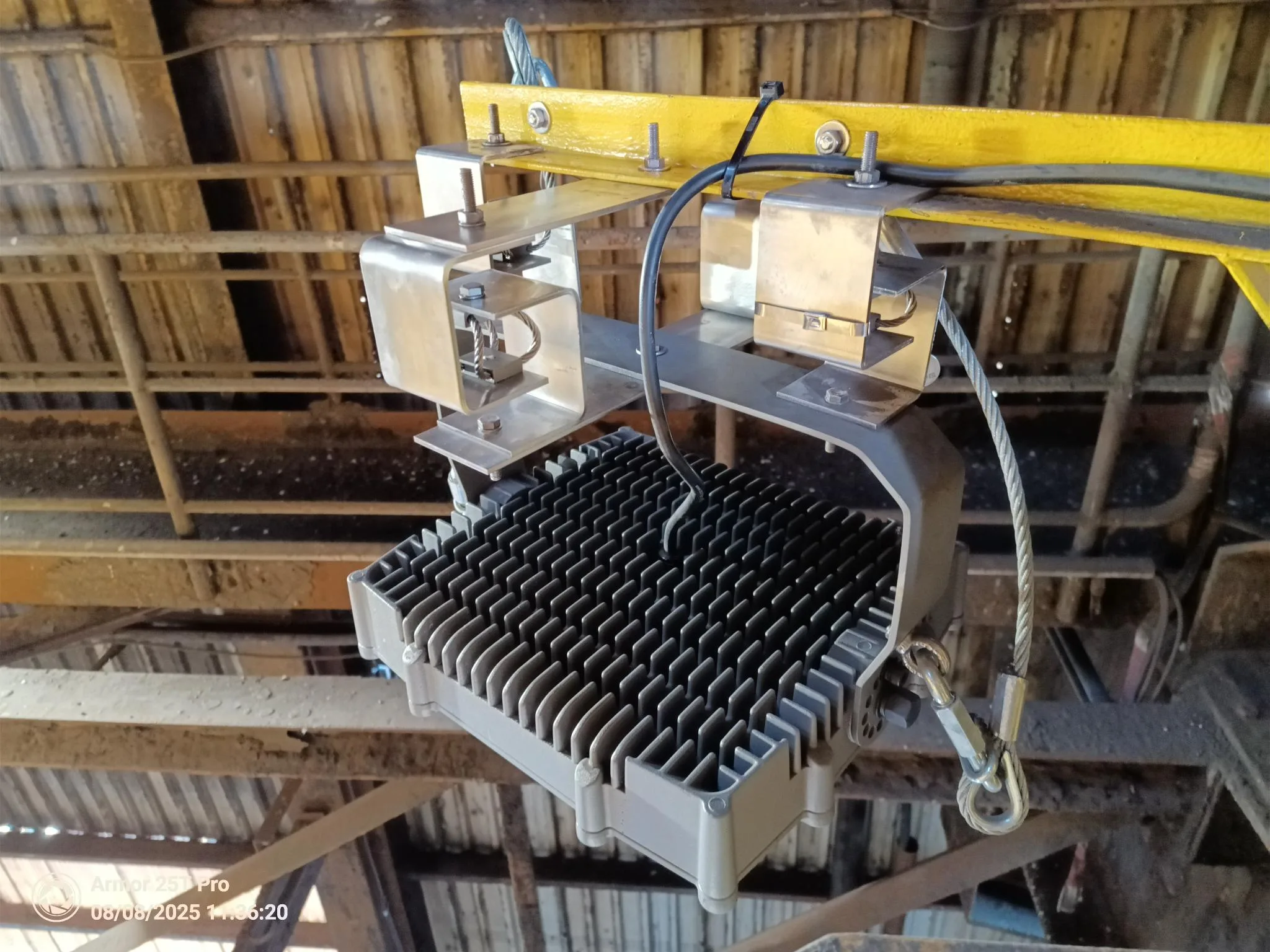
JEL provided the lighting design and the engineering, designed the installation and supplied heat-resistant floodlights in the HT version: Snapper HT, Barracuda HT, and Orca HT, selected for each location based on the specific requirements. The lighting design was assessed against EN 12464-1.
Infrared radiation is a separate design factor in this regard. Heat entering as radiation heats the luminaire without the air temperature explaining it. The HT versions are designed for this: the radiation is reflected instead of absorbed, keeping the LED and the driver within their temperature window, making the expected lifespan of 15 years or more achievable.
JEL provided the lighting design and engineering, designed the installation, and supplied the HT luminaires. At the client's request, we do not share quantities regarding this project.

Snapper HT, Barracuda HT, and Orca HT, selected for each location based on the specific requirements. No one-size-fits-all solution,just the right luminaire for each location.
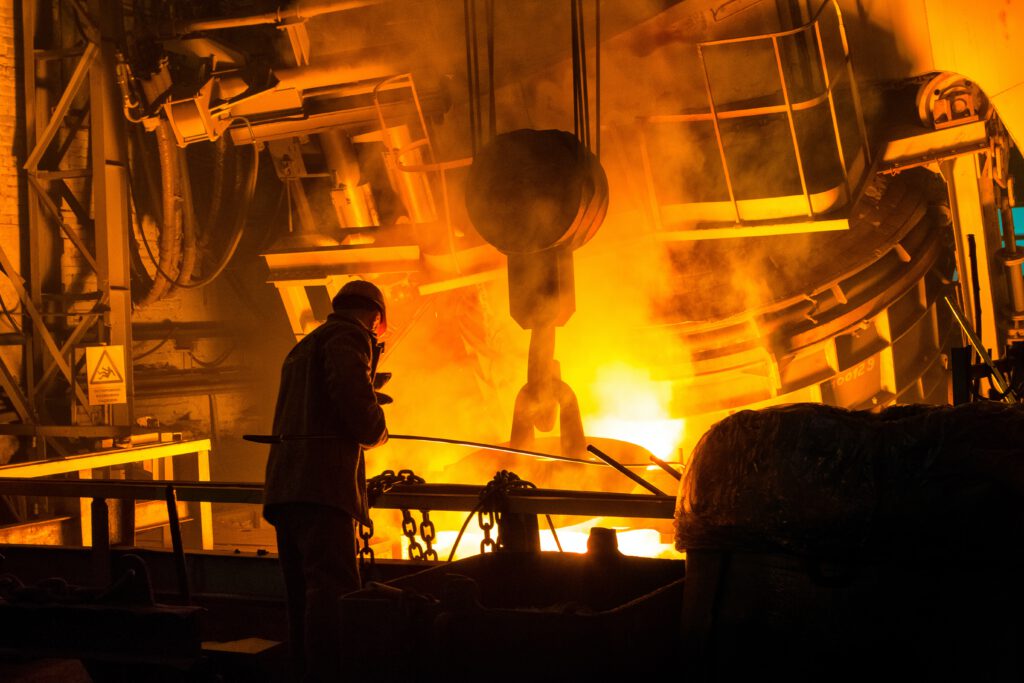
Heat entering as radiation warms the luminaire without the air temperature explaining it. The HT versions reflect that radiation instead of absorbing it.
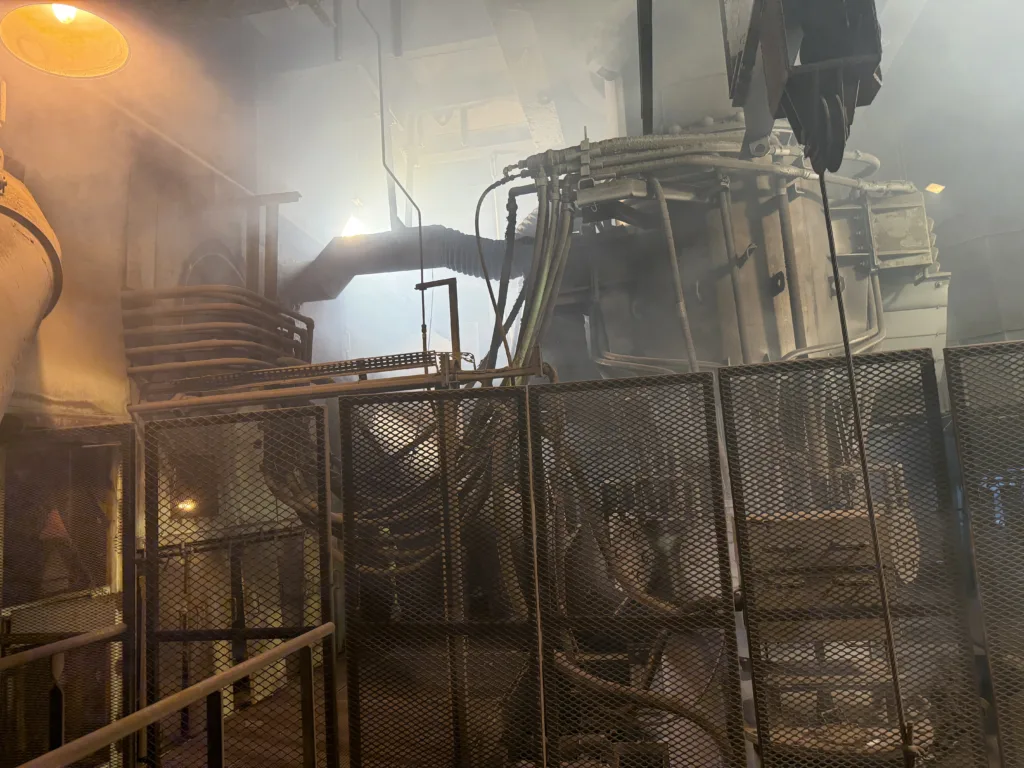
Near the hot steel, the ambient temperature rises to +120 °C, and the air composition affects materials. The luminaire must be able to withstand this combination of factors.
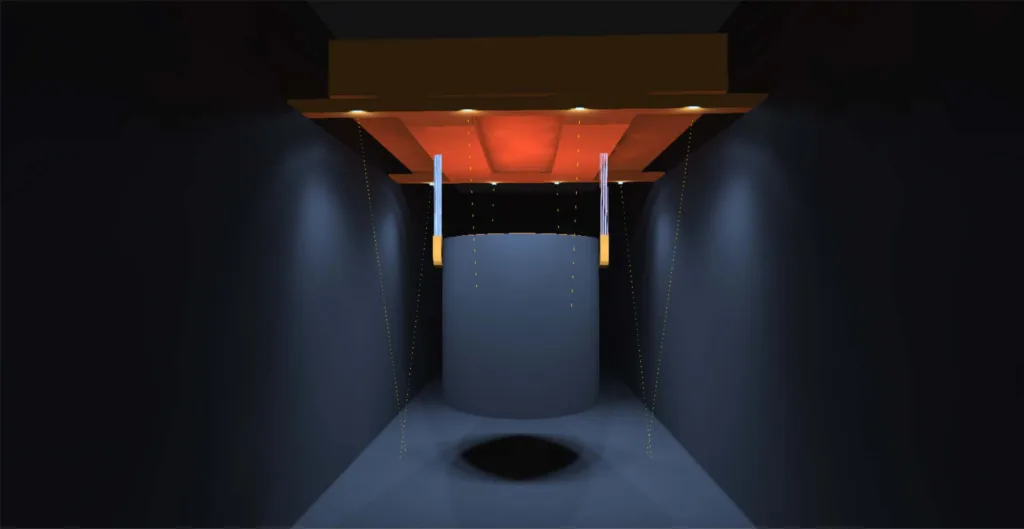
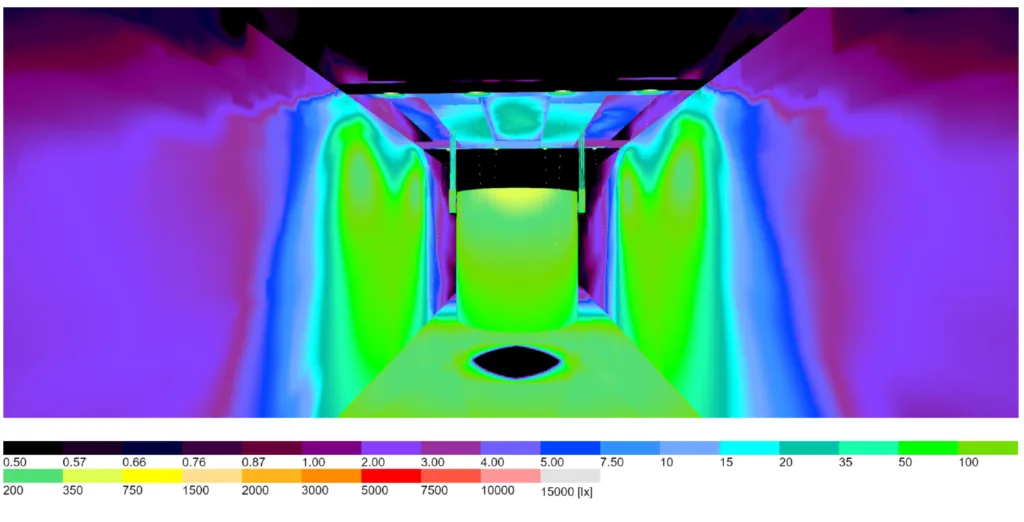
An illuminance of 100 lux is achieved near the work environment, with a uniformity of up to 0.55 across the different areas.
The reason was sustainability, but where the lighting could also be improved, extra light was installed per location. More economical and better visibility, in one project.

The luminaires come with a 5-year warranty and an expected lifespan of 15 years or more under these conditions.
An illuminance of 100 lux is achieved near the work environment, with a uniformity of up to 0.55 across the different areas.
The real achievement lies in the fact that those values remain intact. Despite the heat, the infrared radiation, and the aggressive air, the luminaires perform as designed, with a 5-year warranty and an expected lifespan of 15 years or more. For Tata Steel, this means lighting that is both more economical and, in some places, better than the previous situation. See also our approach in the heavy industry and extreme heat.
Depending on the situation at each location Snapper HT, Barracuda HT and Orca HT Applied: Our floodlights in heat-resistant design, engineered for environments where temperature, radiation, and aggressive air converge.
At the client's request, we do not share the quantities for this project. What we can say is: the luminaires are supplied with a 5-year warranty and an expected lifespan of 15 years or more under these conditions.
Infrared radiation from the hot steel heats a luminaire without the air temperature explaining it. This causes the LED and driver to exceed their temperature window, which quickly affects light output and lifespan. Our HT versions are designed to reflect that radiation instead of absorbing it.
The production process involves temperatures up to +120 °C, infrared radiation from hot steel, and an aggressive air composition. The luminaires are designed for that combination, with an expected lifespan of 15 years or more.
The reason was sustainability, but during the inventory it became clear that the lighting could also be improved in a number of places. Additional lighting was installed per location, so the project not only saves energy but also demonstrably improves the working environment.
At Tata Steel, 100 lux is achieved near the work environment, with a uniformity of up to 0.55, in accordance with EN 12464-1. This relates to orientation and activities around the process, not fine visual tasks.
Depending on the situation at each location, Snapper HT, Barracuda HT, and Orca HT were used. At the client’s request, we are not disclosing any figures regarding this project.
Are you working on a lighting project for a steel plant, a casting process, or another environment where heat, infrared radiation, and aggressive air come together? Our engineering team is happy to think along with you.
+31 33 785 9809
We use your data solely to evaluate your request and respond appropriately.