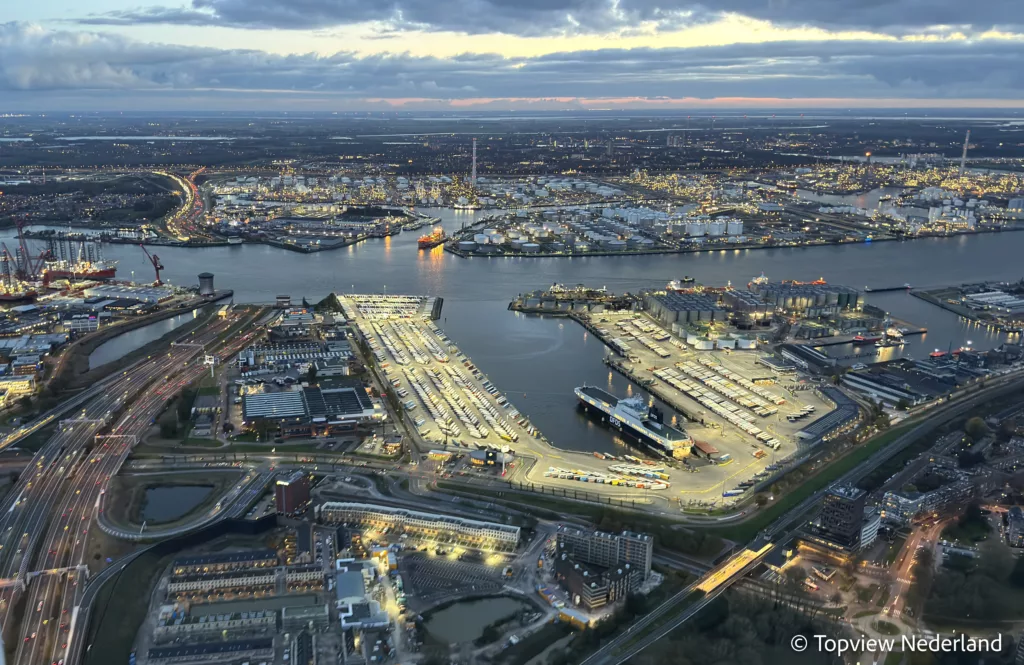

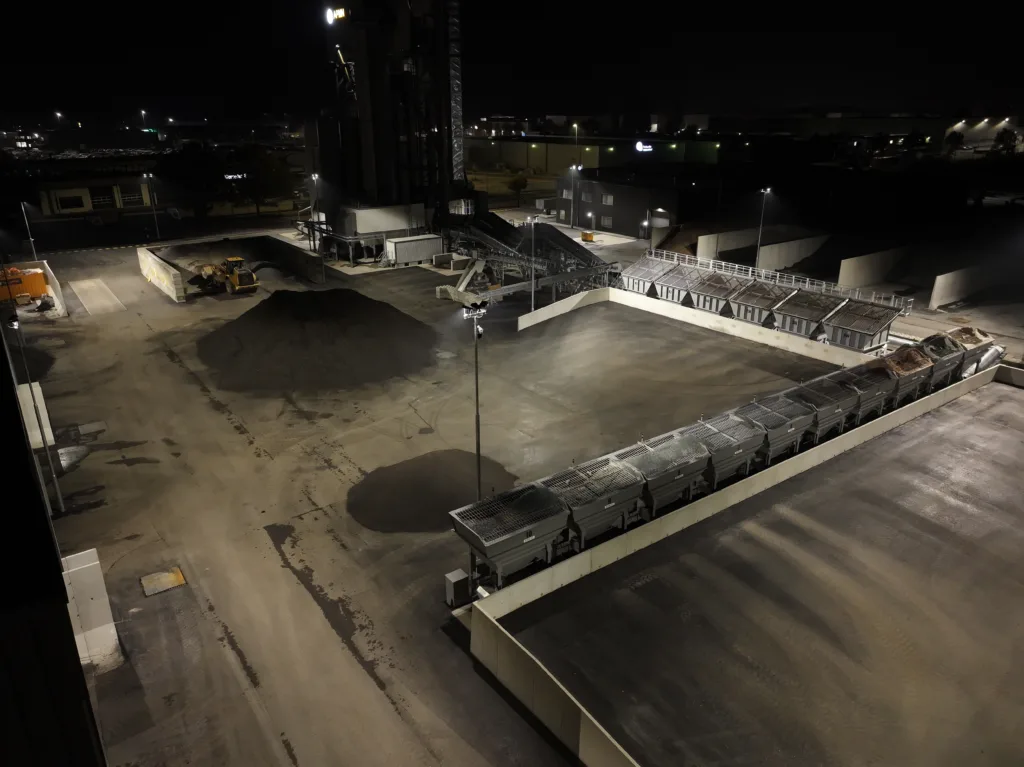
In Nijkerk, the location of JEL, Van Gelder built the Europe's most sustainable asphalt plant, which will soon supply about 7% of all the asphalt in the Netherlands. For a project so focused on sustainability, the lighting also had to be as sustainable as possible.
The challenge lay in two things simultaneously: the lowest possible energy consumption and respecting the bat routes along the nearby canal.
To protect the bat routes, the entire surrounding area calculated in 3D, including the canal and the flight paths along the water. This allowed for precise determination of where and how the light should fall.
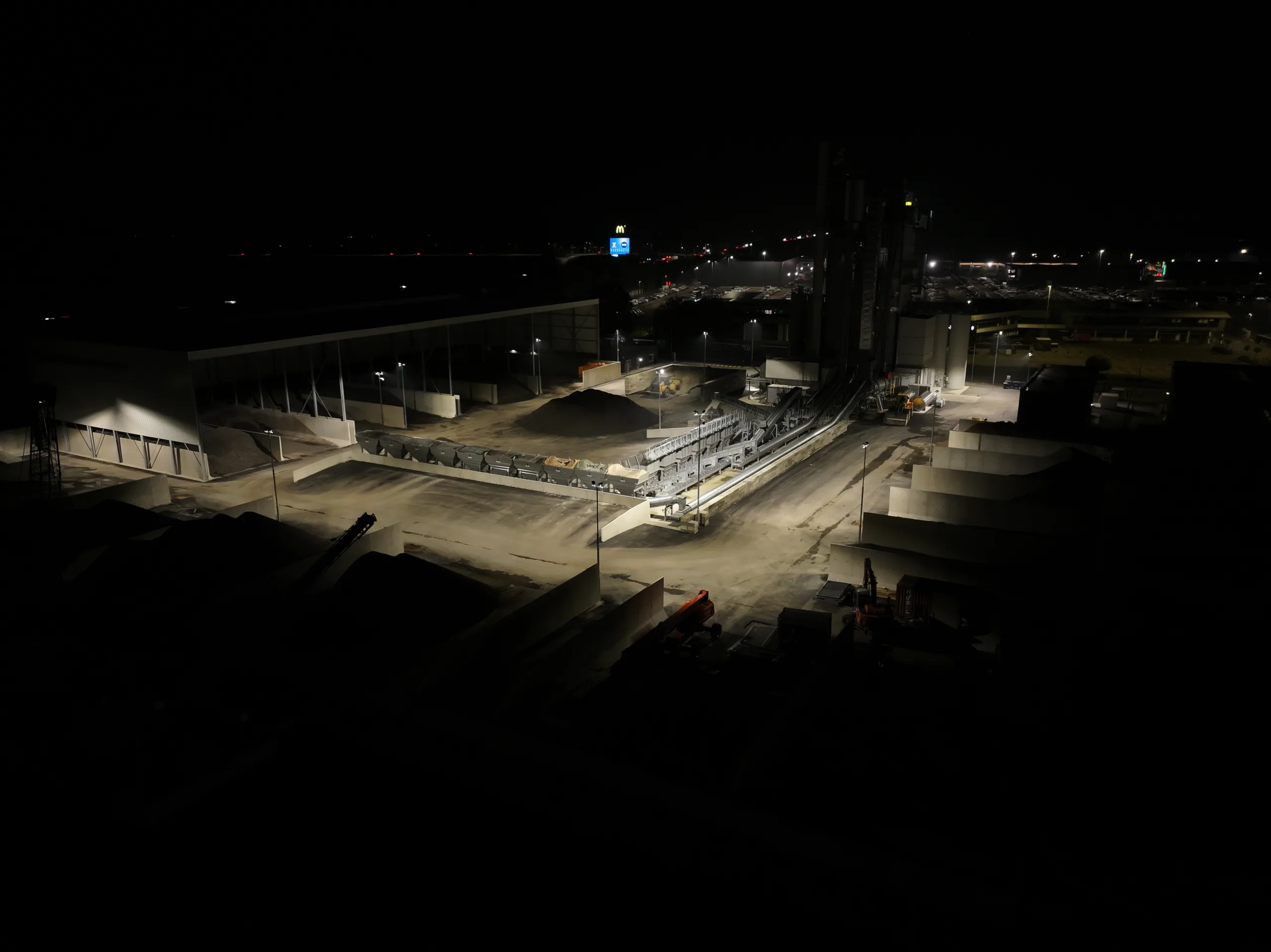
With full cut-off lighting, light trespass outside the site is reduced to virtually zero: no upward light, and the lowest possible site lighting poles. Less than 0.3 lux remained on the water surface, ensuring no disturbance to bats.
For a project focused on sustainability, the lighting had to reflect that ambition. Instead of standard site lighting, JEL opted for a design inspired by nature.
With a 3D.
Contact our engineering team to discuss sustainable site lighting, light pollution control, or a complete lighting scope.
Site lighting for an asphalt plant (sustainable, bat-friendly)
Nijkerk, Netherlands
Van Gelder (asphalt plant)
New asphalt plant near a canal with bat routes
New construction with high sustainability ambitions and nature in the immediate vicinity.
Lighting design and engineering, installation, and precise alignment of the luminaires.
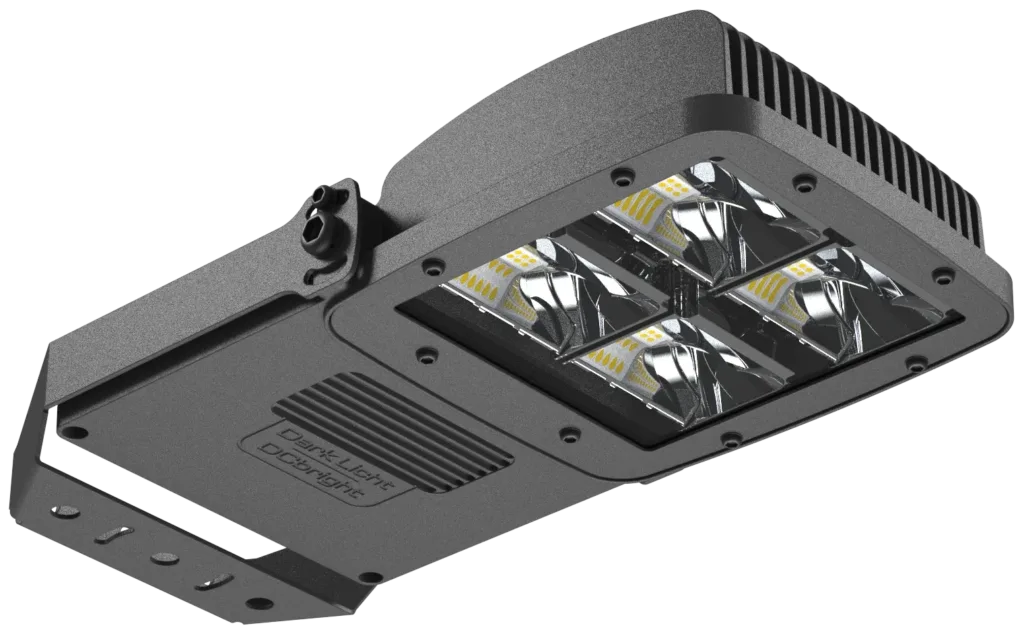
36x DarkLicht D-series (D200, D120, D60) on 15 new light poles measuring 10 and 12 m
20 lux on the grounds, 50 lux in work zones, 0.55 uniformity, under 0.3 lux on the water.
NEN-EN 12464-2 and NSVV light pollution guideline (emphasis on bat routes).
JEL designed the lighting system with the project’s sustainability goals in mind. Using highly directional DarkLicht D-series fixtures and low-profile poles, the light was directed exclusively onto the work area, without any stray light spilling into the surrounding area or the water.
The design has been tested against NEN-EN 12464-2 and the NSVV guideline on light pollution, with particular emphasis on the bat route. After installation, the luminaires were precisely realigned on site to achieve the exact design.
JEL provided the complete lighting solution for Van Gelder’s asphalt plant in Nijkerk: from 3D lighting calculations and engineering to the DarkLicht fixtures, the installation and realignment On location.
JEL designed the lighting with sustainability in mind: sufficient and safe task lighting with the lowest possible energy consumption.
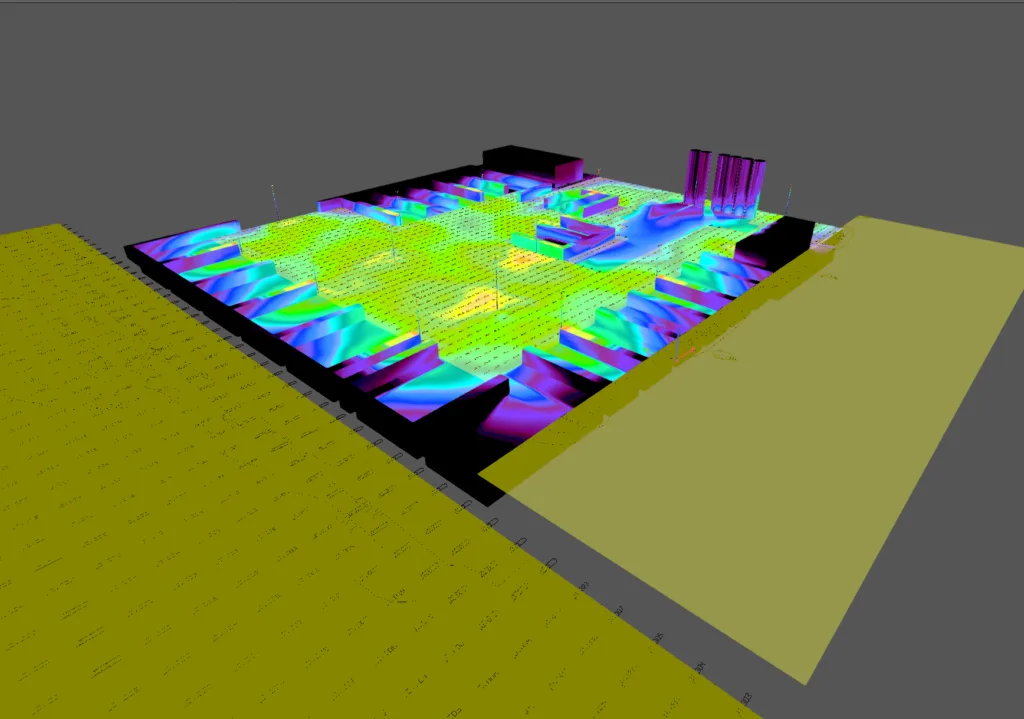
The entire environment was calculated in 3D, including the canal and the bat routes along the water, so that it could be precisely determined where the light was allowed to fall.
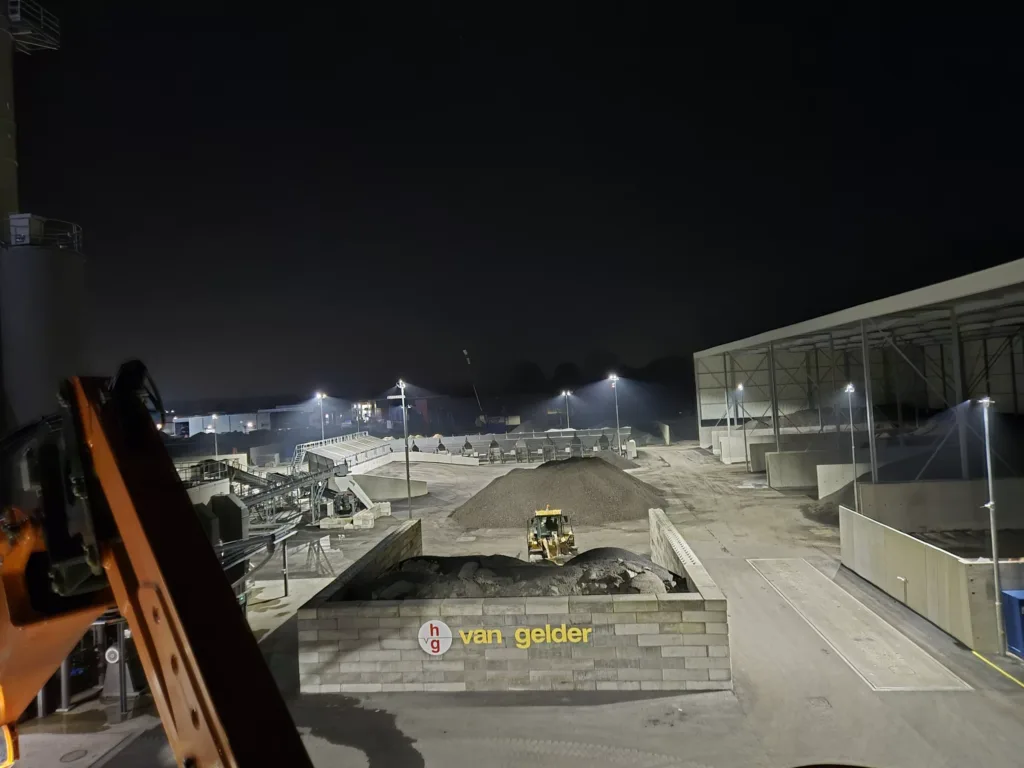
With full-cutoff DarkLicht fixtures, no light is emitted above the horizontal plane. This reduces light spill outside the premises to virtually zero and eliminates any upward light.
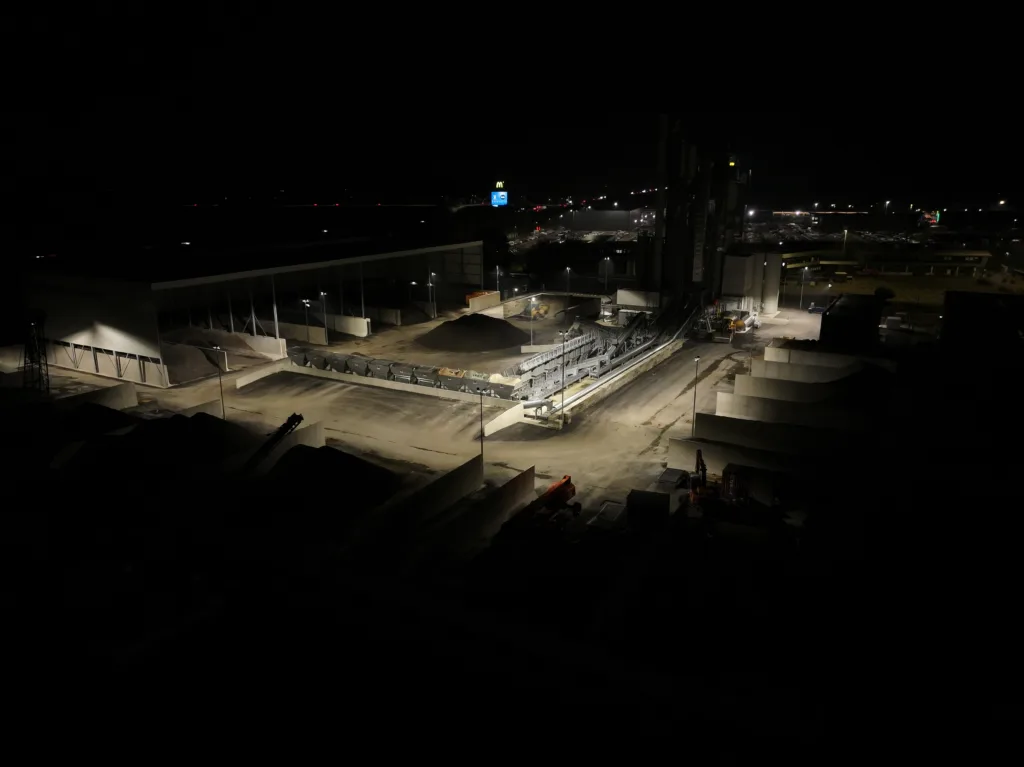
Less than 0.3 lux remained on the water surface, so the bats along the canal are not bothered by the lighting.
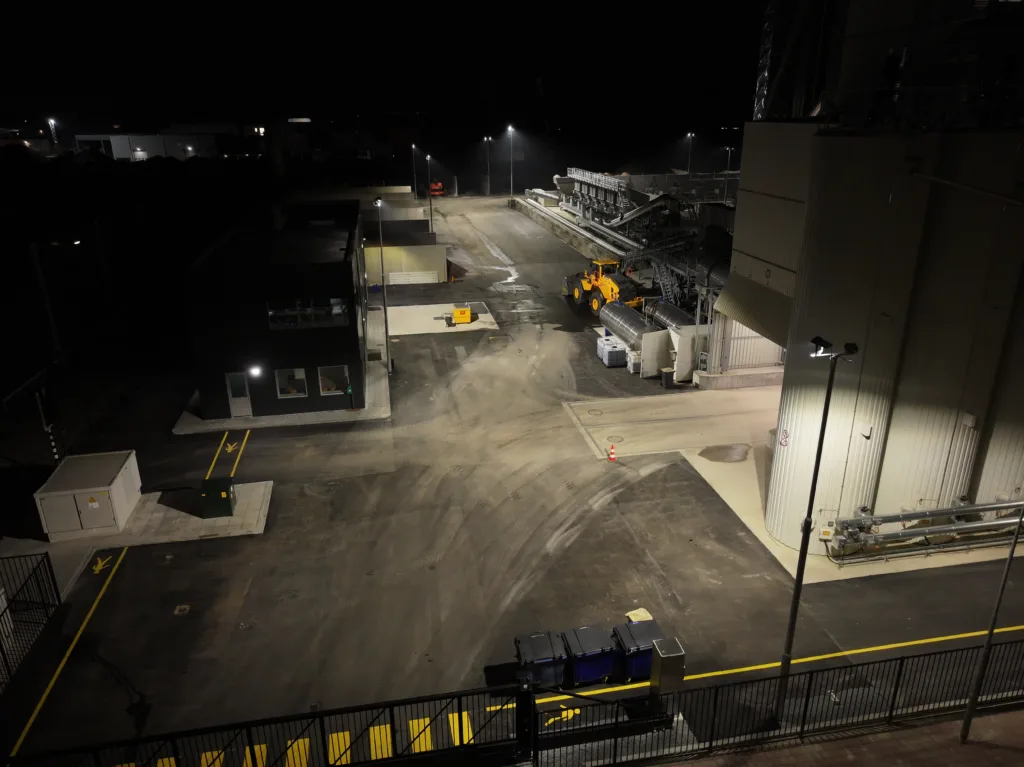
Thanks to extremely low-profile poles and focused fixtures, the light is directed exclusively onto the worksite, with minimal impact on the surroundings.
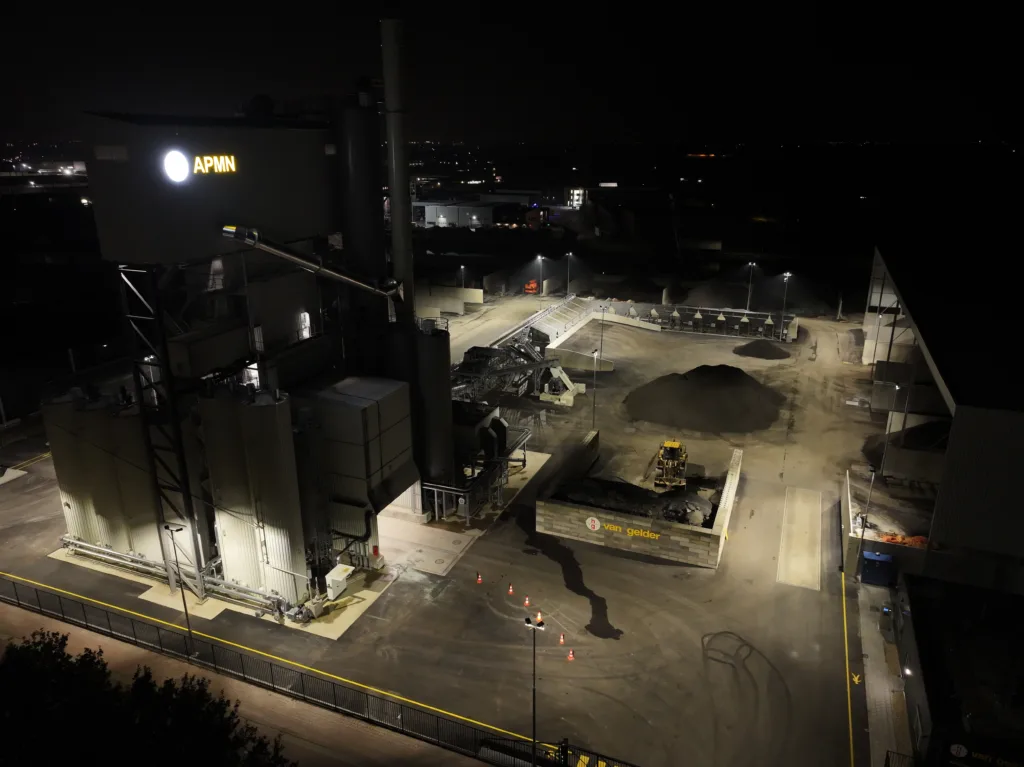
After installation, all fixtures on site were precisely adjusted to ensure the lighting design was exactly as realized.
The installation provides 20 lux on the premises and 50 lux in the intensive work zones, with a uniformity of 0.55. Less than 0.3 lux remained on the water surface, so the bats along the canal are not disturbed.
This is how the lighting seamlessly aligns with the asphalt plant's sustainability ambition: sufficient and safe light at work, with minimal impact on the environment and low energy consumption.
The installation was performed with 36 DarkLicht D-Series Fixtures in three versions (D200, D120, and D60), distributed across 15 new lamp posts of 10 and 12 meters. The different wattages made it possible to illuminate each zone with just enough light, without excessive light.
The DarkLicht was chosen for its full-cutoff light distribution: the light is directed toward the site and hardly spills into the surrounding area at all. This is particularly important at a location with bat flight paths along the water.
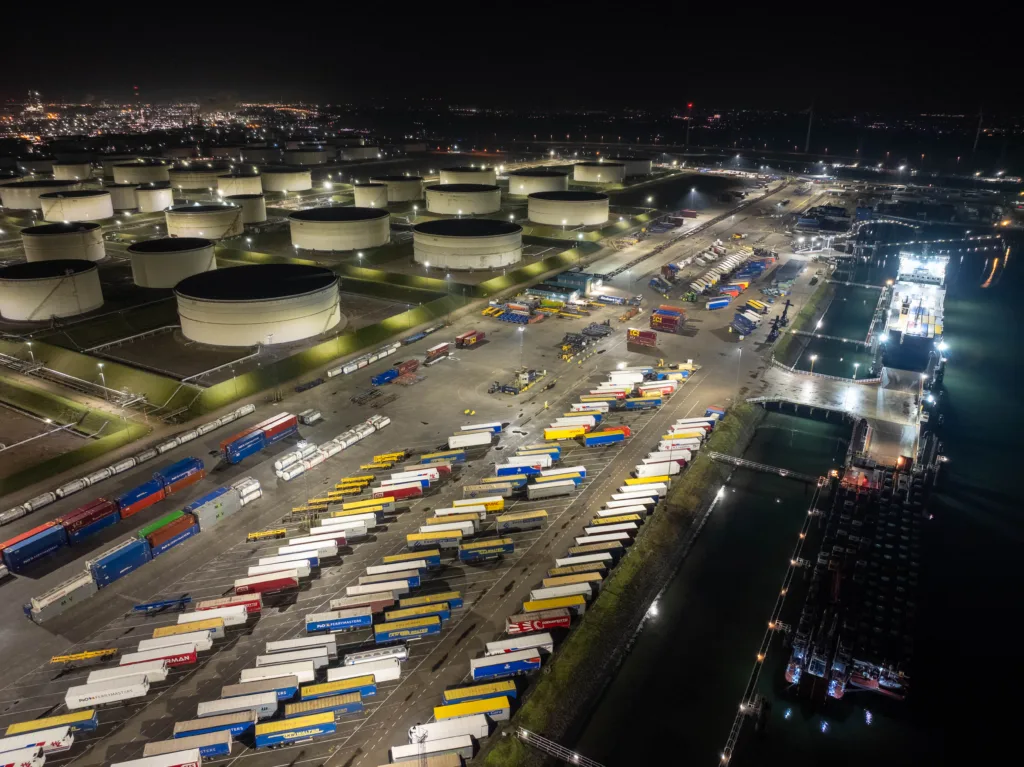
The entire environment has been fully calculated in 3D, including the canal and the bat flight paths along the water. With full-cutoff lighting and low terrain masts, less than 0.3 lux remained on the water surface, ensuring no disturbance to the bats.
Full cutoff luminaires do not emit light above the horizontal. This ensures no upward light and reduces light trespass beyond the property to virtually zero, which is crucial near nature and water.
20 lux in the general area and 50 lux in intensive work zones, with a uniformity of 0.55, in accordance with NEN-EN 12464-2.
Van Gelder built Europe’s most sustainable asphalt plant in Nijkerk, which will soon supply about 7% of all the asphalt in the Netherlands. This ambition includes lighting with minimal energy consumption and minimal environmental impact.
36 DarkLicht D-series luminaires (D200, D120, and D60) mounted on 15 new 10- and 12-meter light poles, selected to provide just the right amount of lighting for each zone.
Are you working on a lighting project where sustainability and light pollution are key considerations, for example, near nature or water? JEL designs custom full-cutoff lighting solutions, from 3D light calculations and engineering to installation and on-site adjustments.
+31(0)33 7859809
We use your data solely to evaluate your request and respond appropriately.