

A climate chamber does exactly what lighting tolerates worst: cycling between extreme cold and extreme heat, with condensation at every transition.
Standard luminaires fill with moisture, lose light output or fail in the middle of a test run, and an interrupted endurance test is a lost endurance test. Our luminaires are specified from -45 °C to +120 °C ambient temperature and tested on precisely this cyclic profile.
Specified range, AC version
Most compact luminaire, for small chambers
Light level controllable from the cool zone
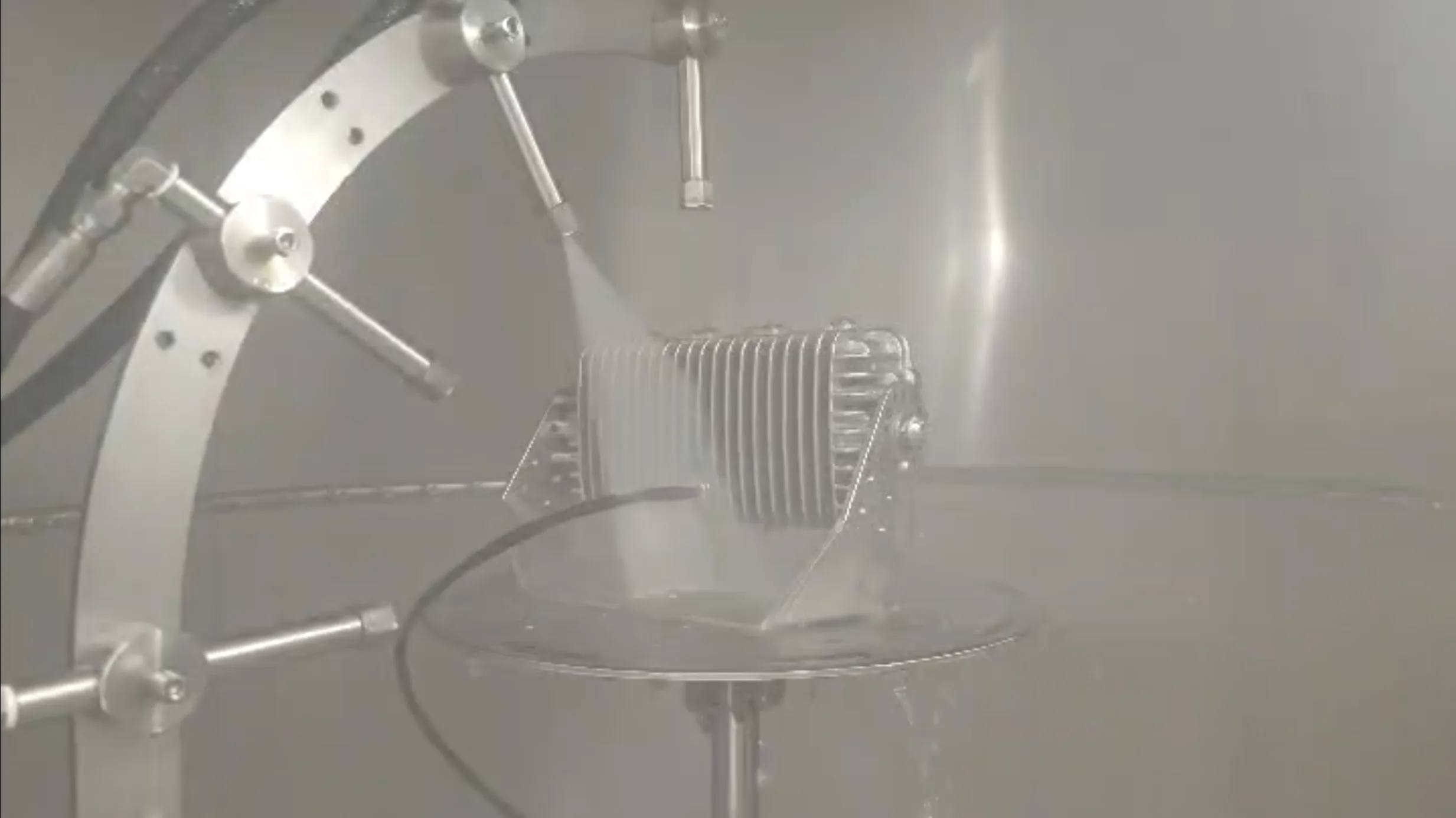
Not the peak but the cycling is the killer: expansion and contraction with every cycle. Materials, seals and cabling are selected for exactly this.
IP67 sealing and glass, so the transition from freezing to heat draws no moisture inside.
Test room volume is precious; the Goby HT is there for small chambers from 2,600 lumens.
Light level as a test variable, controllable from the cool zone.
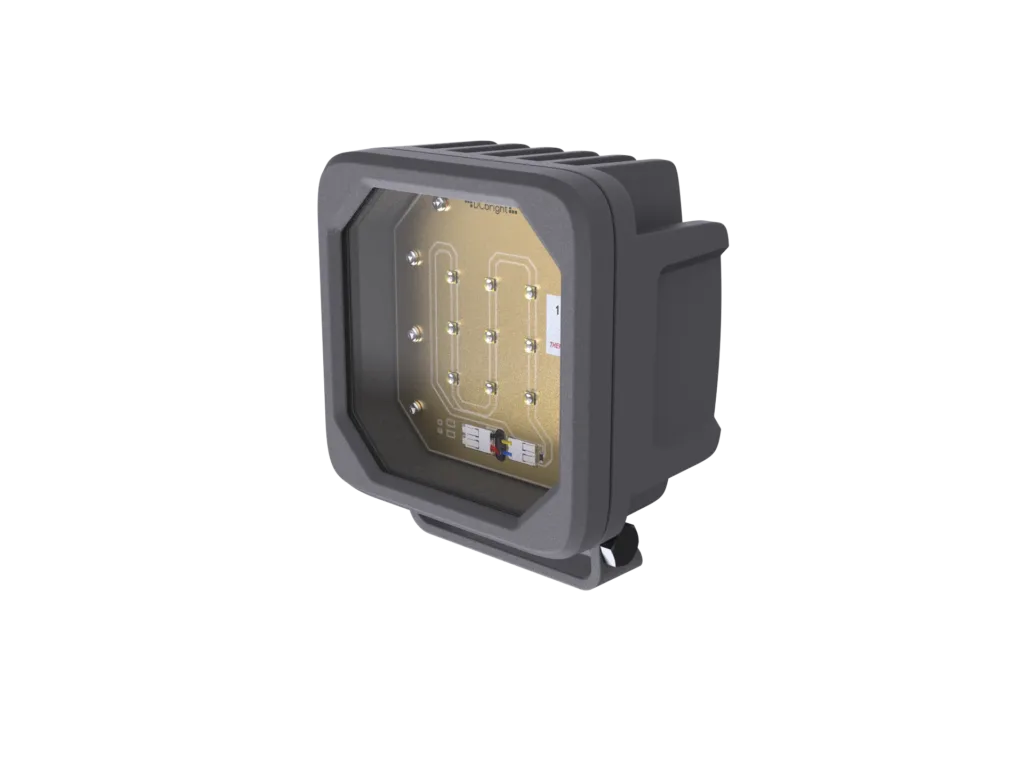
Compact, for small chambers and close to the object. AC up to +120 °C, DC 24V up to +110 °C.
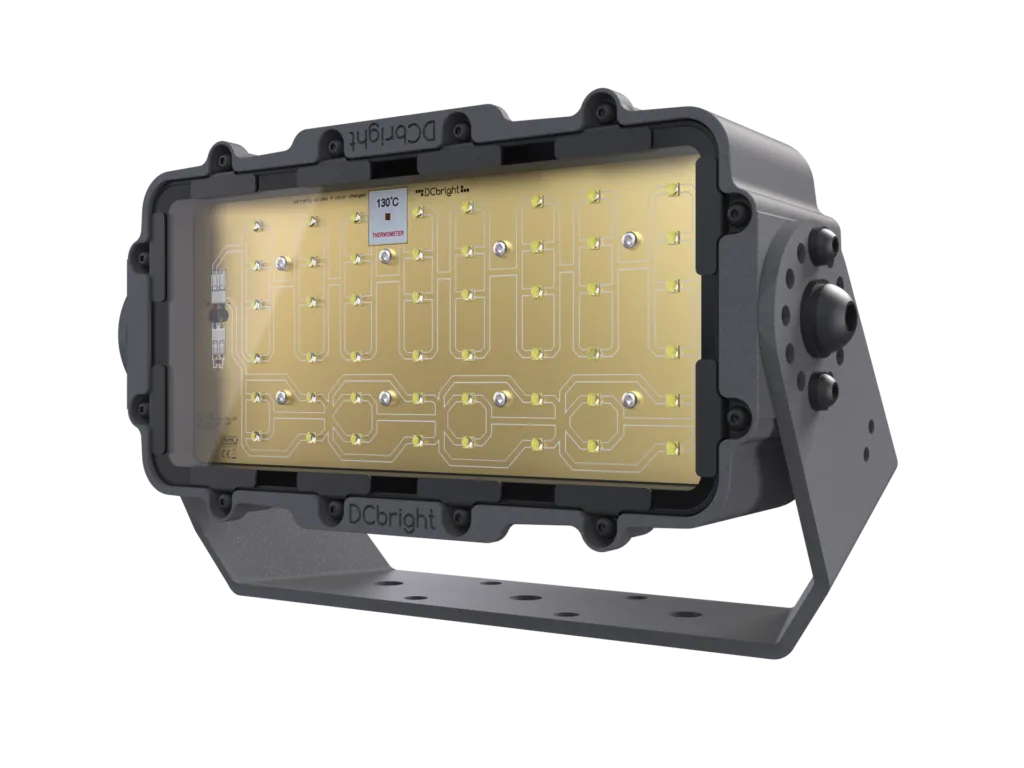
For larger chambers and walk-in rooms. Also available fully in 316L stainless steel.
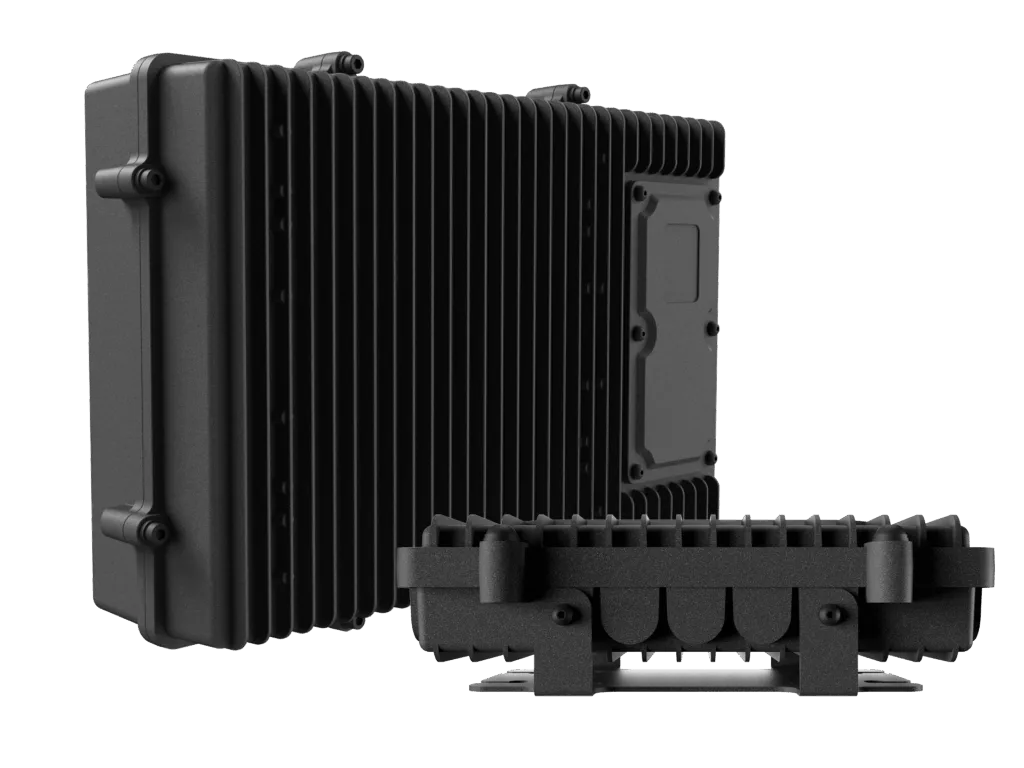
Control and driver outside the chamber, so no heat source or failure source in the test room itself.
In every case the same logic applies: the test is the product, and the lighting must never be the variable that disturbs the run.
Is your question not listed? Call 033 785 9809, you will speak with an engineer.
Luminaires designed as a system for that range: glass instead of plastic, seals and cabling that withstand the cycling, and the driver outside the chamber. Our AC versions are specified from -45 °C to +120 °C, DC versions (24V) up to +110 °C.
The switch does the work, more than the peak. Every cycle makes materials expand and contract and, during the transition from freezing to heat, draws in moisture. In addition, the driver ages at an accelerated rate at high temperature and is the first to fail.
With an IP67 seal, a glass front and materials that keep their shape through every cycle. A luminaire that has once let moisture in never gets rid of it under cyclic testing.
Yes. The light level is controllable from the cool zone, outside the chamber, and can thus be included in the protocol as a test variable.
The Goby HT delivers 2,600 lumens at 13 W and is built for small chambers where every bit of volume counts.
The driver sits outside the chamber; the luminaire itself adds minimal power, and that amount is known and constant, so it can be included in the chamber balance.
Lighting for climate chambers belongs to the sector heavy industry.
Climate chambers are the most demanding cyclic application of our high temperature LED lights, with the same published L90B05 lifespan curve.