

Home / Sectors
What determines a lighting design is almost never the number of lumens. It is the surrounding environment: salt, heat, vibration, altitude, the question of when maintenance can take place, and what the neighbors are allowed to see. Choose the environment in which you work below; it outlines what matters in your situation and where the numbers come from.
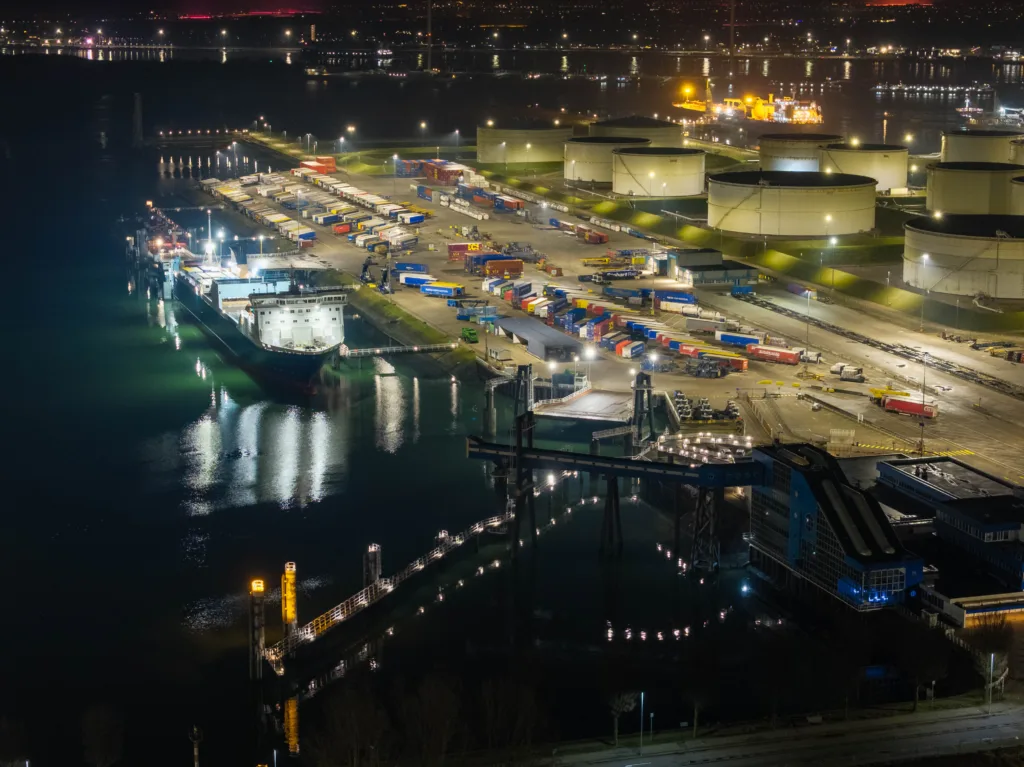

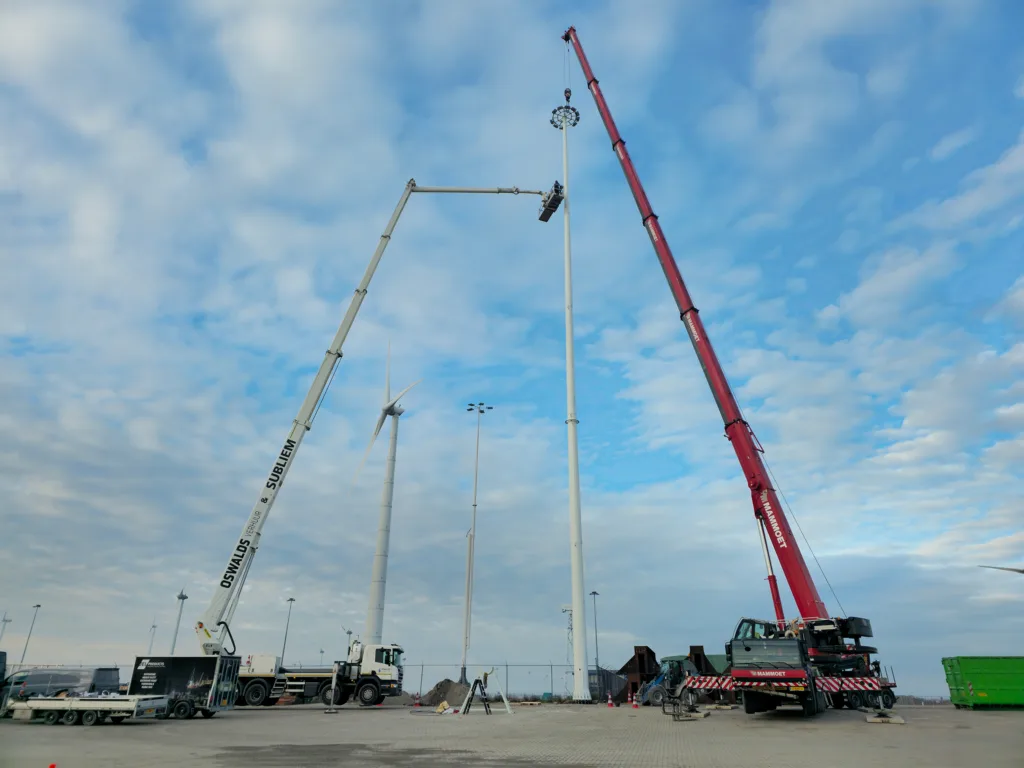
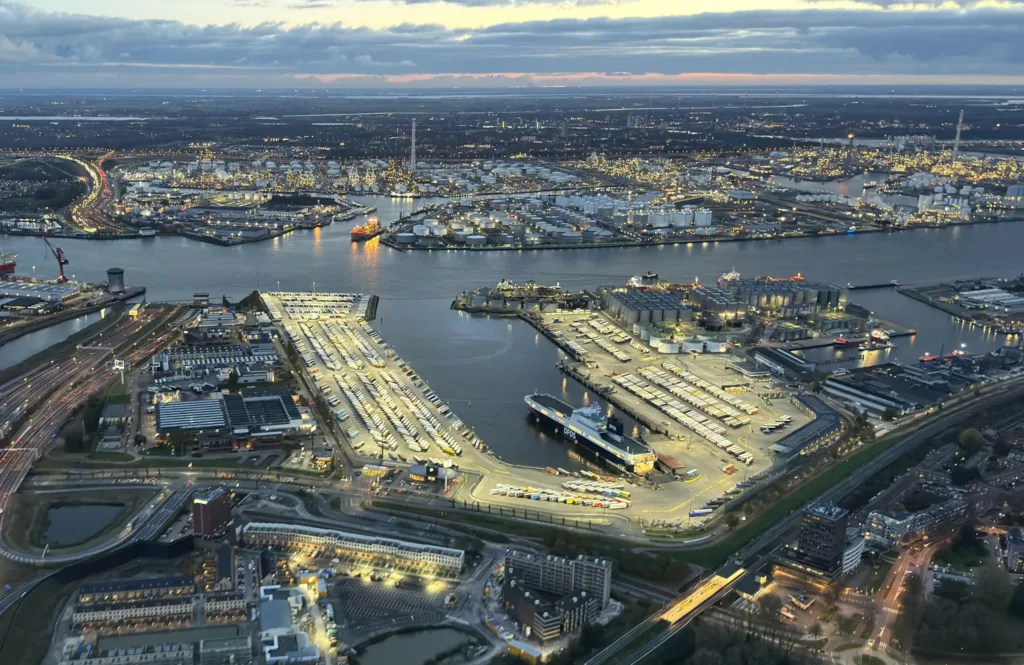
 Ports and terminalsSalt, a 24-hour facility and masts that you can only access when that part of the site is out of service. Plus a permit that monitors you as soon as you expand.ports and terminals
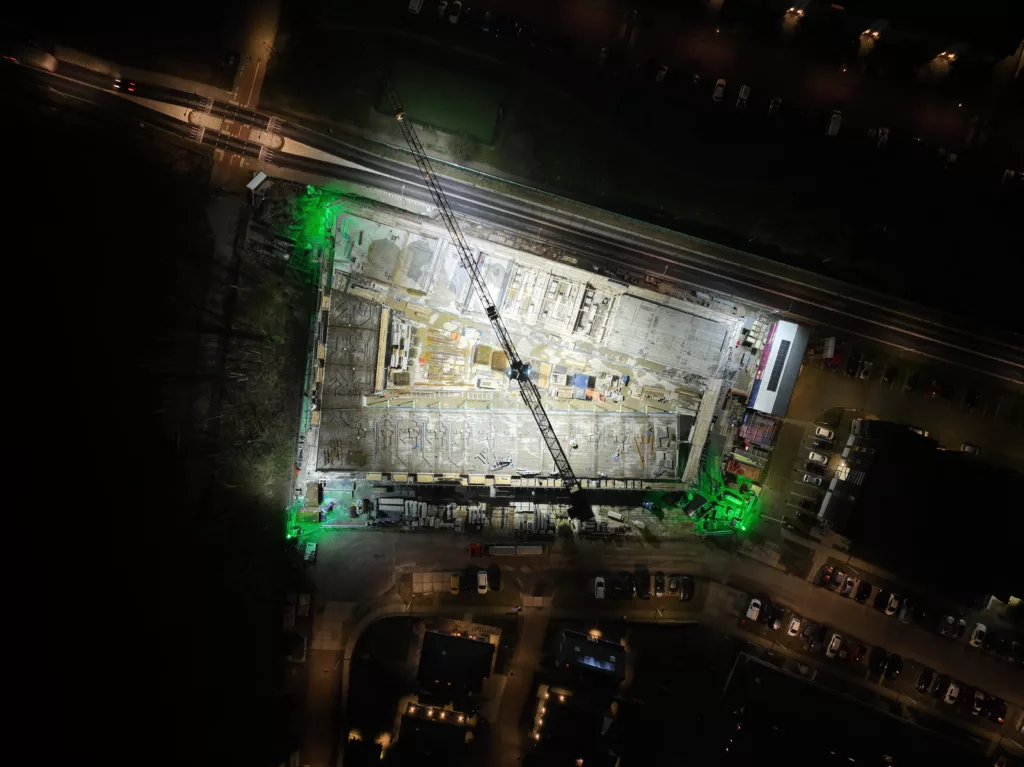
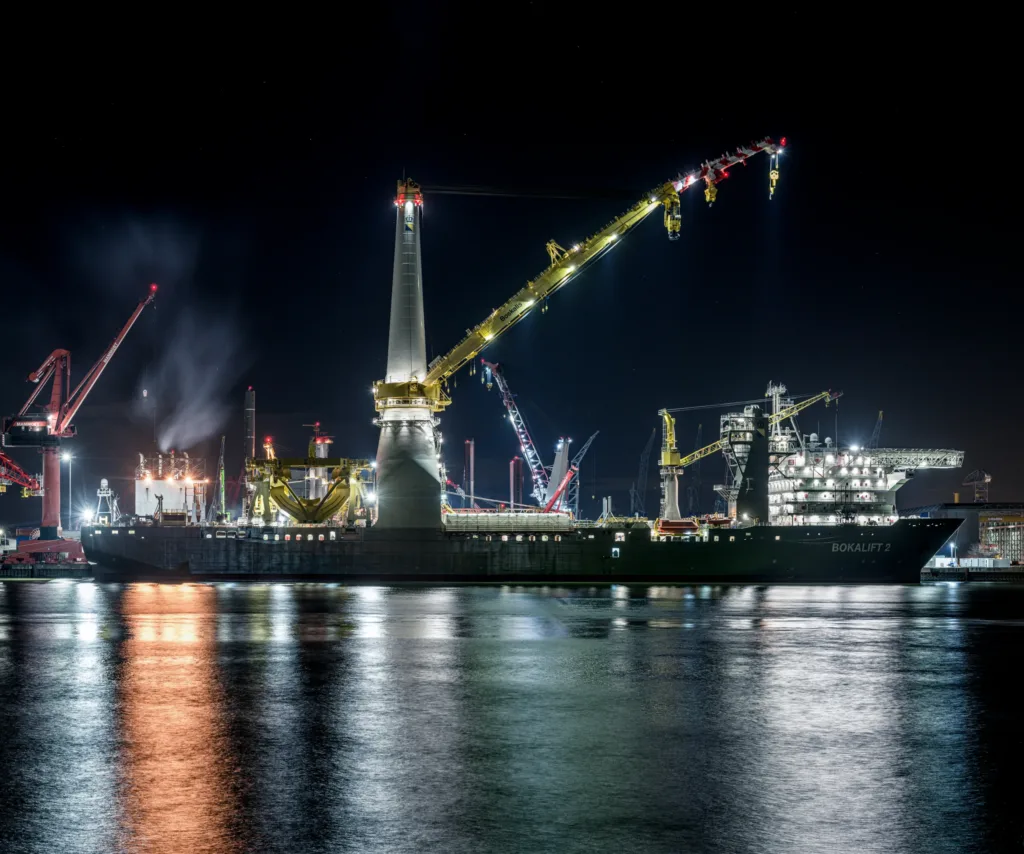
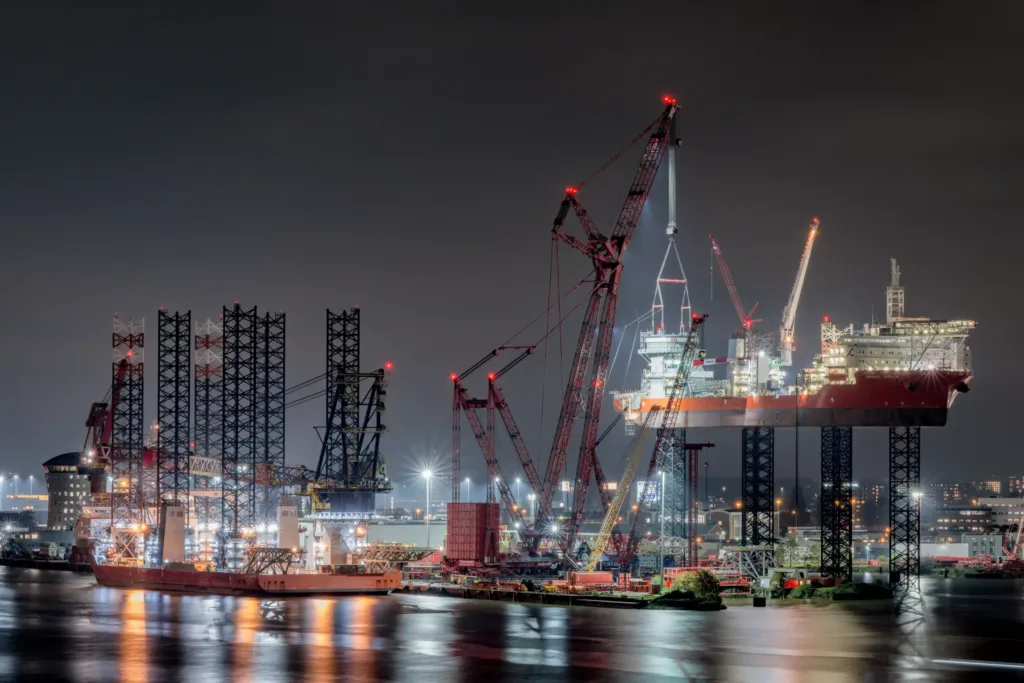
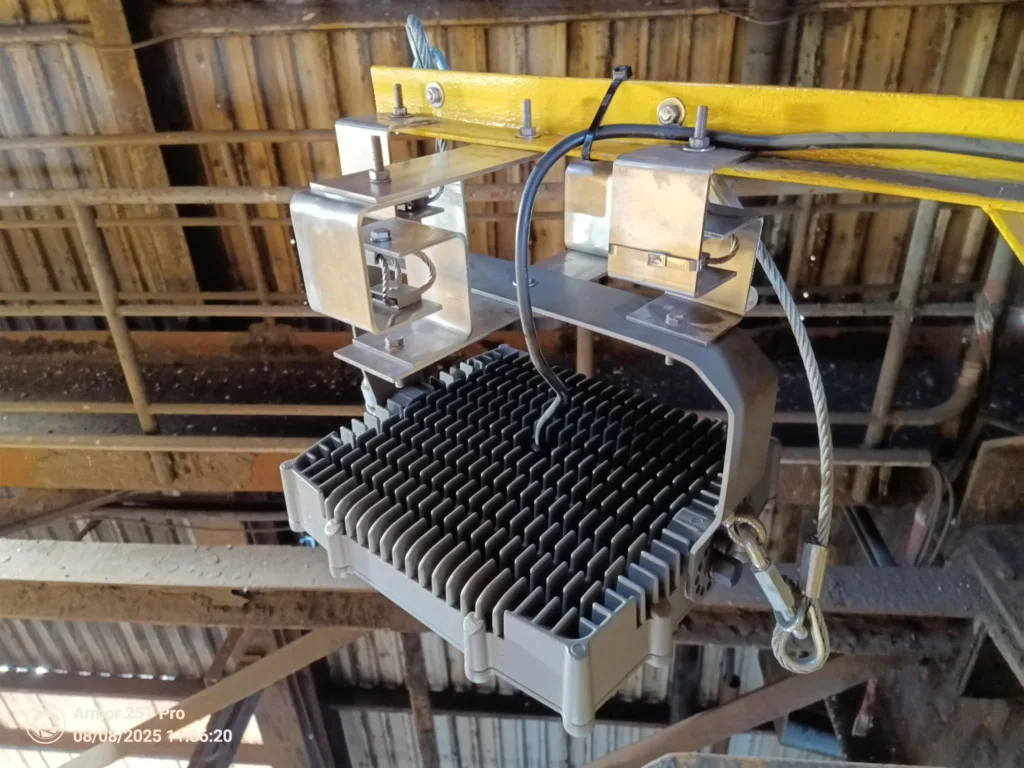
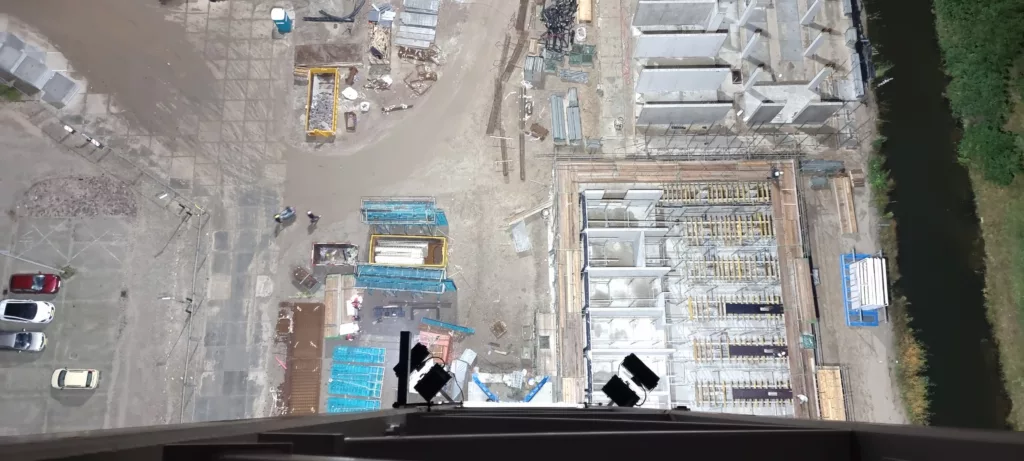
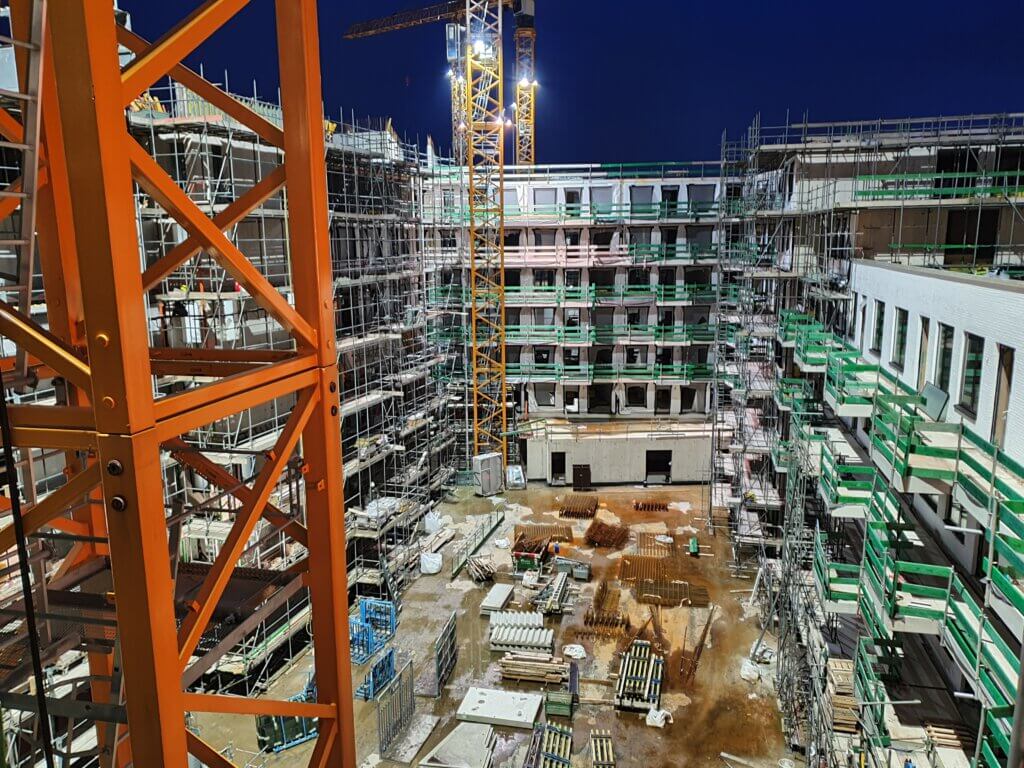
 Heavy industry and extreme heatAmbient temperatures up to +120 °C, radiant heat that is different from air temperature, and an aerial work platform that cannot enter during production.heavy industryConstruction and infrastructureA project that moves itself every phase, often on an aggregate or a battery, with the environment watching along the whole time.construction and infrastructureOffshore and maritimeThe heaviest corrosion class that exists, and a replacement that requires a work permit and downtime.offshore and maritimeMobile machinery and equipmentLighting as a component: on-board voltage from 9 to 60 volts, voltage spikes, EMC, and a construction that vibrates all day long.mobile machinery and equipment
If you already know what needs to be illuminated, you don't have to go through the sector. Then it will be faster via the object or the circumstance.
Fourteen projects, from a container terminal in the Eemshaven to a heavy-lift vessel and a steel plant. Per project, what the situation was, what has been installed, and what it has delivered.







If you are in doubt about which environment is closest to your situation, simply submit it. An engineer will take a look and advise you on which direction to take.