

Short answer
In a freezer it is rarely the LED itself that fails. It is the driver, the seal and the condensation at every door opening.
Lighting in a cold storage room can be improved by choosing LED luminaires specifically designed for low temperatures, with an operating temperature down to at least -30 °C or -45 °C, a high IP protection rating, and a shock-resistant construction. Standard LED lighting is not suitable for this purpose: the electronics and luminous efficacy perform poorly at freezing temperatures. In this article, we answer the most frequently asked questions about lighting in cold storage rooms, from technical requirements to practical replacement.
−45 °C
minimum operating temperature of every JEL luminaire
IP69K
sealed against high-pressure cleaning
IK10
withstands an impact of 20 joules
What requirements does a cold storage facility impose on lighting?
Not every luminaire can withstand the conditions in a cold storage facility. The requirements are strict: reliable operation at temperatures down to -30 °C or lower, resistance to moisture and condensation, mechanical robustness, and sufficient light output even when it is freezing cold outside. In addition, energy consumption plays a major role, as lighting in cold storage runs continuously or intensively.
Concretely, this means that walk-in cooler lighting must meet a combination of requirements:
Self-check
Does your current lighting comply?
Tick what your current luminaires demonstrably achieve. What you cannot tick is where the next failures will come from.
- Suitable for low ambient temperatures (down to -30 °C or -45 °C depending on the application)
- Resistant to condensation during temperature fluctuations, for example when opening doors
- High impact resistance (IK rating) due to forklifts and moving equipment
- Fast startup time without warm-up phase
- Stable light output regardless of ambient temperature
- Long service life to minimize maintenance in hard-to-reach or cold spaces
Freezer and cold storage facilities are environments where lighting directly impacts employee safety and the efficiency of logistical processes. Inadequate or unreliable lighting increases the risk of accidents and errors when picking or processing products.
Why do standard LED lights fail in cold rooms?
The problem lies in the driver. The electronic power supply of a standard LED luminaire is simply not designed for low temperatures. At temperatures below -20 °C, capacitors and other components in the driver can fail or experience a severe drop in performance. The light output also decreases in luminaires without cold optimization.
There are several mechanisms that contribute to this problem. First, most standard LED drivers have a minimum operating temperature of -20 °C or even -10 °C. As soon as the ambient temperature drops below that, the driver can no longer start correctly or remain stable. Second, condensation causes moisture ingress if the luminaire is not properly sealed, leading to short circuits or corrosion of the contacts.
Another underestimated problem is thermal shock. When a cold room is opened and warm, humid air flows in, a sudden temperature change occurs. Luminaires that are not specially constructed for this environment can experience mechanical failure due to repeated thermal shocks. Only Lighting for climate chambers and cold storage facilities are built to withstand this.
What IP protection rating is required for cold room lighting?
For cold room lighting, a minimum of IP65 is required. This level guarantees complete protection against dust ingress and protection against water jets from all directions. In environments where cleaning is regularly done with high-pressure washers, IP66 or IP67 is recommended.
The IP rating consists of two digits: the first indicates protection against solid particles, and the second indicates protection against water. IP65 means dust-tight and protected against water jets; IP67 adds protection against submersion to a depth of one meter for thirty minutes. For freezer storage areas that undergo intensive cleaning, IP66 or higher is the safest choice.
In addition to the IP rating, the IK rating is also relevant. This indicates the mechanical impact resistance. In environments with forklifts, pallet trucks, or other vehicles, a minimum of IK08 (five joules) is recommended, and for heavier use, IK10 (twenty joules). More information on what these ratings mean in practice can be found on the page about IP and IK ratings.
How do you choose the right luminaire for cold storage?
The right choice depends on several factors: the height of the space, the desired illuminance at working plane level (expressed in lux), the beam distribution of the luminaire, and the layout of the storage. For aisles with racking, you need a different beam than for open areas.
A practical approach works as follows:
| Step | What you record |
|---|---|
| Determine the required illuminance. | For cold storage facilities where active work is being performed, a minimum of 200 to 300 lux at the work floor level is generally required. For precision work or quality control, 500 lux may be necessary. |
| Measure the ceiling height. | For low ceilings (up to 4 meters), panels or full cut-off floodlights are sufficient; for higher spaces, narrow-beam high-bay luminaires are more efficient. |
| Determine the light color. | For cold storage facilities, a color temperature of 4000K (neutral white) to 5000K (cool white) is common. This improves visibility and makes color differences in products more easily recognizable. |
| Check the temperature specifications of the luminaire. | Ensure the minimum operating temperature matches the lowest temperature in the room, including the margin. |
| Request a lighting calculation. | A simulation in lighting software shows the light distribution in advance and prevents over- or undersizing. |
A good Custom lighting advice takes all these factors into account and prevents costly installation errors.
Cold room or freezer storage
We calculate the room based on the temperature at which the luminaire must start
Tell us the lowest temperature in the room, the height, the racking layout and how it is cleaned. You receive a lighting calculation per aisle and a luminaire choice that starts and stays stable at that temperature.
Request a lighting calculation
Free of charge and without obligation · Response within 1 working day from an engineer
What are the advantages of LED lighting in cold storage compared to fluorescent tubes?
On virtually all relevant points, LED outperforms fluorescent lighting: lower energy consumption, longer lifespan, immediate full light upon switching on, and better performance at low temperatures. Fluorescent tubes require a warm-up time and lose significant light output at freezing temperatures.
Fluorescent tubes contain mercury and rely on gas discharge to produce light. This process becomes less efficient as the temperature drops. At -20 °C, a standard fluorescent tube can deliver only a fraction of its nominal light output. LED technology operates on the basis of semiconductors and, provided it is correctly designed for low temperatures, is much less sensitive to ambient temperature.
Additional benefits of LED lighting for cold storage:
- No warm-up time: the 100% lights up immediately when turned on, even at -30 °C
- Lower energy consumption: typically 50 to 70% less than comparable fluorescent lighting systems
- Longer lifespan: 50,000 to 100,000 burning hours, significantly reducing maintenance in cold environments
- No mercury or other hazardous substances
- Compatible with presence detection and dimming functions for additional energy savings
- Better color rendering (higher CRI value), which is relevant for product inspection
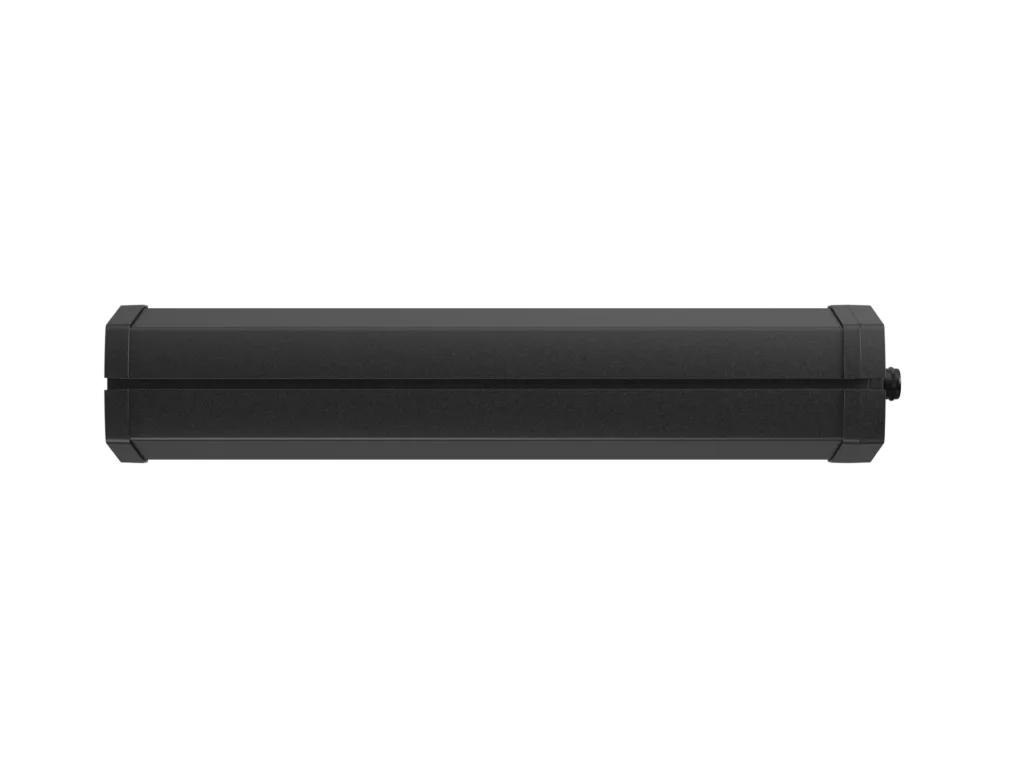
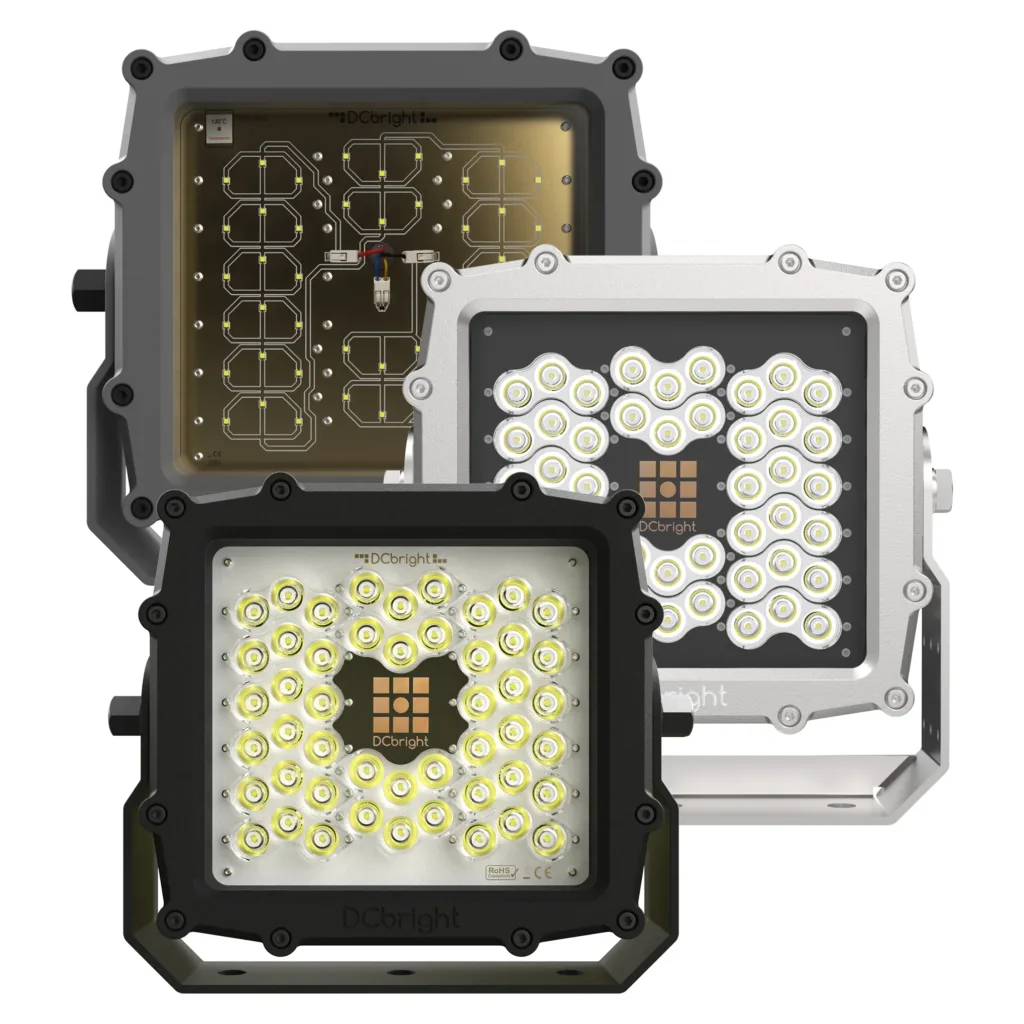
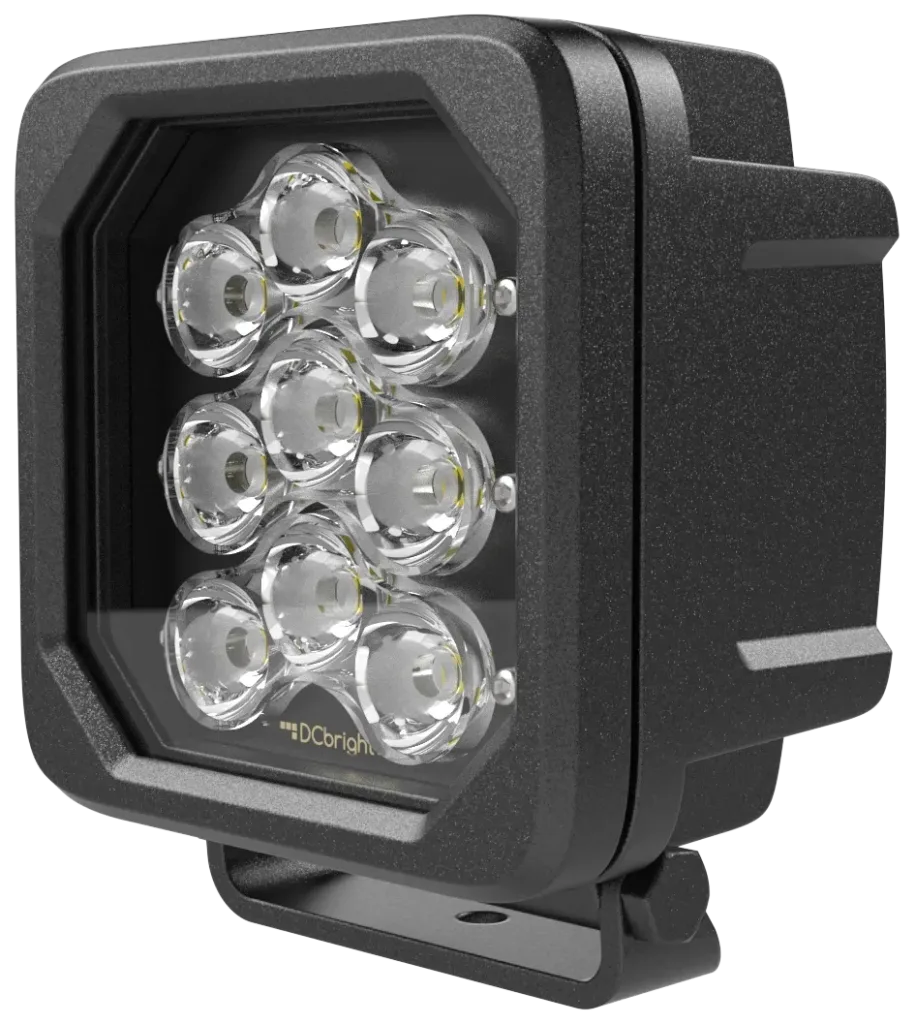
Operating temperature from −45 °C
What is the process for replacing lighting in an operational freezer room?
The key lies in a phased approach: per zone or per night, so the cold storage remains operational. Good preparation, having the right luminaires ready, and quick installation are essential to limit the exposure of technicians to freezing temperatures.
In practice, this means that the work is scheduled outside of peak operational hours, often at night or on weekends. Technicians work in shifts with limited time spent in the freezer room. The new luminaires are tested and configured in advance so that the installation time per luminaire is kept to a minimum.
Points of attention during the replacement include the mounting method (reusing existing suspension points or installing new ones), the cable connections (which must also be able to withstand low temperatures), and coordination with the plant management regarding time windows. A specialized installer with experience in cold environments prevents delays and errors.
Practical example: Farm Frites
Farm Frites, a producer of potato products with production sites worldwide, was dealing with LED lighting that repeatedly failed in its drying tunnels and production ovens. The luminaires chosen previously could not withstand the high thermal stress and the intensive cleaning routine. Farm Frites also asked for a solution for the freezing tunnels, where the luminaire had to work at -40 °C and withstand +70 °C during the cleaning processes. JEL took care of the lighting design, the engineering of a custom luminaire and the design of the installation, and supplied 78 Snapper HT-SS luminaires with a stainless steel housing, borosilicate glass and IP69K protection.
In a freezer room, low temperature is rarely the only stress. Where cleaning takes place or doors open frequently, the luminaire is also exposed to rapid temperature changes and moisture. Glass and seals have to withstand that transition again and again, and that is exactly where luminaires selected only on their minimum operating temperature start to fail.
When choosing lighting for cold storage, what counts is therefore the full temperature range the luminaire actually experiences, including the cleaning method, and not just the lowest value on the datasheet.
Read more about the Farm Frites project
Further reading
How JEL Products Helps Provide Lighting in Cold Storage Rooms
JEL Products supplies complete lighting solutions for cold storage rooms, freezer stores and climate chambers. The luminaires are designed for operating temperatures from -45°C, with the HT line up to +120°C, and meet the highest requirements for IP protection, impact resistance and reliability in extreme conditions.
Here's what JEL Products specifically offers for cold storage:
- LED luminaires specified for freezing temperatures down to -45°C
- High IP and IK ratings for humid and mechanically demanding environments
- Custom lighting calculations and engineering advice
- Guidance on subsidy opportunities such as the Energy Investment Allowance (EIA)
- Complete peace of mind: from design and delivery to installation and commissioning
- ISO9001 and VCA** certified, assembly and custom production in the Netherlands
Would you like to know which lighting solution best fits your cold storage space? Please contact JEL Products for a no-obligation consultation.