

Short answer
Cool white for work where vision and safety count, warm white only where comfort or the surroundings weigh more.
In an industrial setting cool white light (4000K to 6500K) typically the best choice for workplaces where accuracy, safety, and visibility are paramount. Cool white light improves contrast, reduces fatigue during concentrated work, and makes color differences more visible. Warm white light (2700K to 3500K) certainly has its place in specific industrial situations. In this article, we answer the most frequently asked questions about color temperature, light color, and the right choice for your work environment.
4000 to 5000 K
most industrial workplaces
5000 to 6500 K
24/7 operations and precise assessment
2700 to 3500 K
office, reception and outdoors near residential areas
What color temperature is most suitable for industrial workplaces?
Most industrial workplaces are best served by a color temperature between 4000K and 5000K. This neutral to cool white light offers a good balance between brightness and visual comfort. It supports concentration, makes details visible, and aligns with how the human eye functions during active tasks.
In production environments, warehouses, workshops, and outdoor areas, a higher color temperature of 5000K to 6500K is common. This cool white light resembles daylight and ensures maximum alertness. It is particularly suitable for environments where work is performed 24/7, or where employees need to make precise visual assessments.
Temperatures on the Kelvin scale, between 3000K and 3500K, are considered warm neutral white. This is sometimes used in spaces where a less sharp atmosphere is desired, but in industrial contexts, this is more the exception than the rule. For Site and infrastructure lighting Furthermore, a higher color temperature also performs better outdoors in adverse weather conditions.
What does color temperature mean and how is it measured?
Color temperature is a measure of the color of light, expressed in Kelvin (K). The lower the Kelvin value, the warmer and yellower the light. The higher the value, the cooler and bluer the light appears. In practice, the scale ranges from approximately 1800K (candlelight) to 6500K (overcast daylight).
The measurement is based on the theoretical concept of a black body glowing at a certain temperature. This has nothing to do with the physical temperature of the lamp itself, but solely with the perceived color of light. More background on this technique can be found on the page about light color and Kelvin.
In practice, three main categories are distinguished:
| Category | Kelvin and tint |
|---|---|
| Warm wit | 2700K to 3500K, yellow-orange hue |
| Neutral white: | 3500K to 4500K, white with a slight warmth |
| Cool white / daylight | 4500K to 6500K, bright bluish-white |
Colour temperature selector
Which colour temperature suits your workplace?
Choose the tasks and the conditions. You immediately see the Kelvin range, the minimum colour rendering and the guide value in lux.
Advice
colour rendering Ra, minimum
lux
guide value on the working plane
nearest standard colour
Kelvin scale
Guide values based on EN 12464-1:2021 and our project experience. The exact requirement follows from the task and the standard; for advice per zone we calculate the room.
How does light color affect workplace safety?
The impact of light color on safety is greater than many people realize. Cool white light improves contrast and makes color differences more clearly visible, which is essential for recognizing warning signs, fluid leaks, or wear and tear on materials. Warm white light can mask subtle color differences and thereby increase safety risks.
Additionally, alertness plays a role. Blue light, such as cool white, stimulates biological wakefulness through the eye's circadian function. In environments with night shifts or monotonous tasks, this can be the difference between an employee remaining focused or becoming fatigued.
Another safety aspect is the color rendering index (CRI). This is a different measure than color temperature, but closely related. A high CRI (90 or higher) combined with a cool color temperature ensures that colors appear as natural as possible. This is particularly important in environments where color coding of pipes, containers, or cables plays a safety role.
Does ambient temperature matter when choosing light color?
ambient temperature has no direct effect on the choice of color temperature, but on the performance of the LED luminaire that provides that color temperature. Extreme cold or heat can affect the light output and lifespan of lighting if the luminaire is not suitable for those conditions.
In environments with extreme heat, such as steel mills or forge shops, it is important that the luminaire actually achieves its specified color temperature under thermal load. Cheaper luminaires exhibit color shifts at high temperatures. The same applies to freezer warehouses or climate chambers, where lighting must remain reliably functional at temperatures far below zero. More information on this is described on the page about Lighting for climate chambers.
The choice of light color itself, so the Kelvin value, remains largely independent of the ambient temperature. What changes is the technical requirement for the luminaire to deliver that color temperature stably.
When is warm white light a better choice than cool white?
There are situations where warm white light is consciously preferred. Consider industrial environments where glare, long-term eye comfort, or a specific ambient experience are more important than maximum visual acuity,such as office spaces within an industrial complex, reception areas, changing rooms, or storage areas that are not continuously occupied.
In addition, warm white is sometimes deliberately chosen for outdoor lighting in residential areas near industrial sites to limit light pollution and nuisance for residents. Bluer light spreads further into the atmosphere and contributes more to light nuisance than warm white light.
Finally, in specific production processes, warm white can play a role where the product's color needs to be assessed under conditions that mimic the end-user. In such cases, the alignment with usage is paramount, not a general rule of thumb.
Service
We choose the light colour per zone, with a luminaire that keeps delivering that colour
Production floor, office and outdoor site each need a different light colour. Send the layout and the conditions per zone. You receive advice with colour temperature, colour rendering and illuminance per zone, matched to the heat, cold or sea air on site.
Free of charge and without obligation · Response within 1 working day from an engineer
What are the most common mistakes made when choosing light color in industrial projects?
The most common mistake is choosing a color temperature based on aesthetic preference or habit, without considering the visual tasks performed in that space. A second common mistake is confusing color temperature with brightness: a higher Kelvin value does not automatically mean more light, but a different light color.
Other pitfalls that regularly reappear:
Pitfalls when choosing light colour
A good lighting advice avoids these pitfalls and ensures that the chosen light color matches the actual requirements of the environment.
Luminaires in neutral and cool white
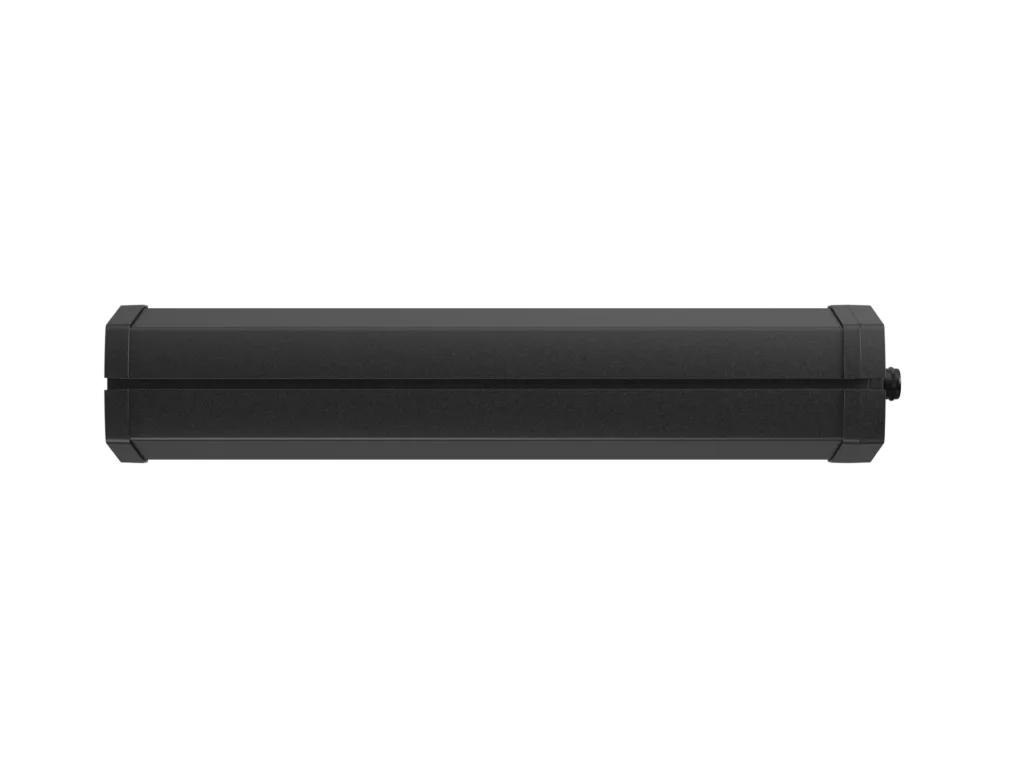
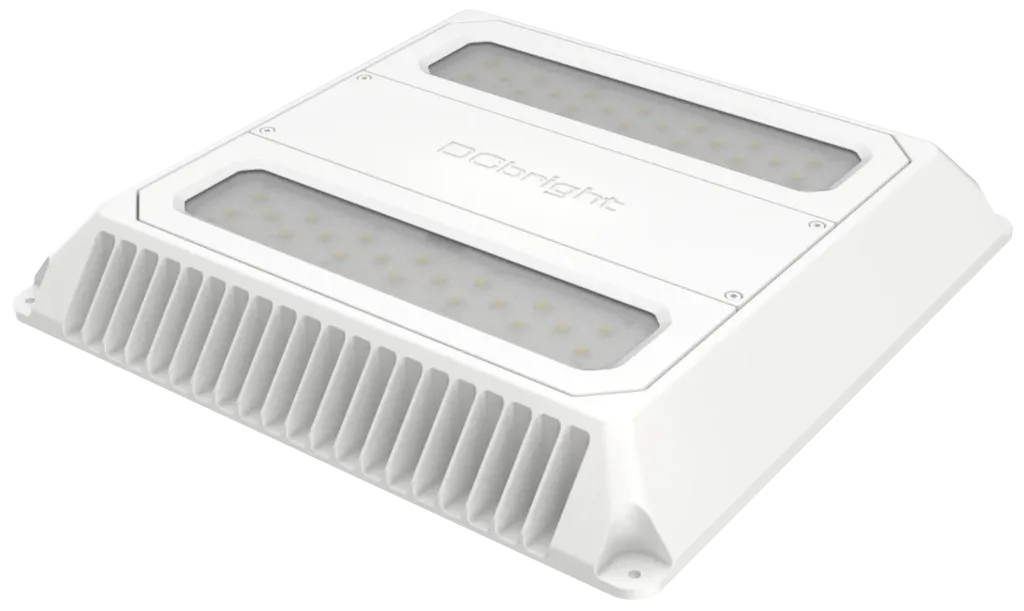
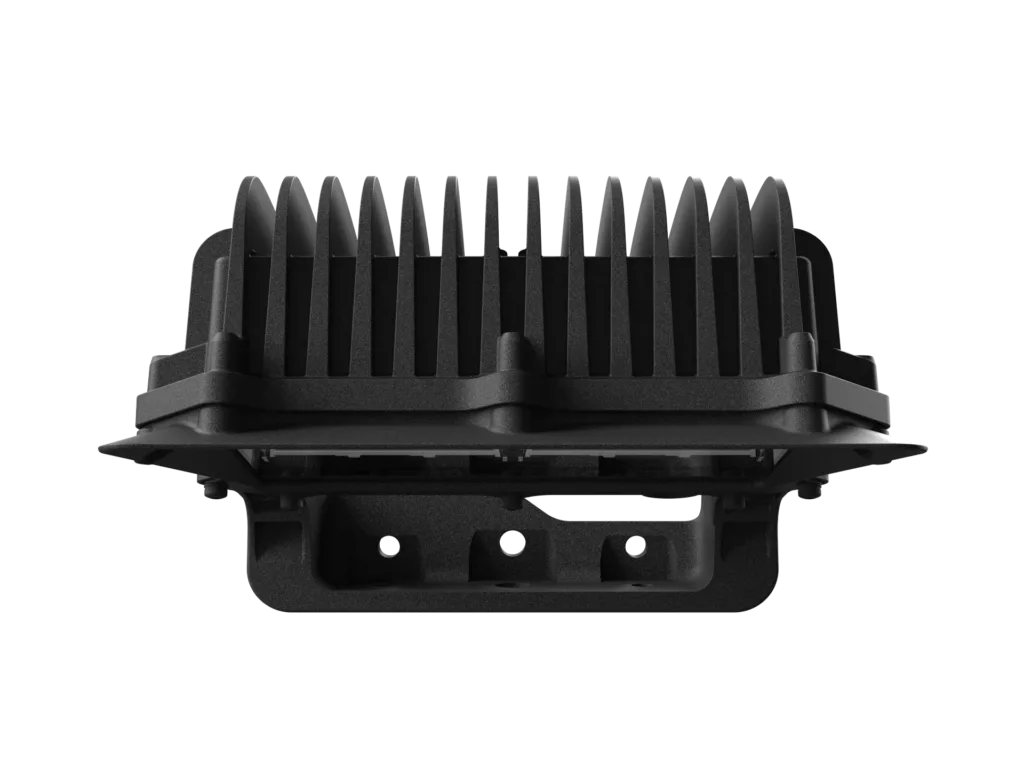
Practical example: Farm Frites
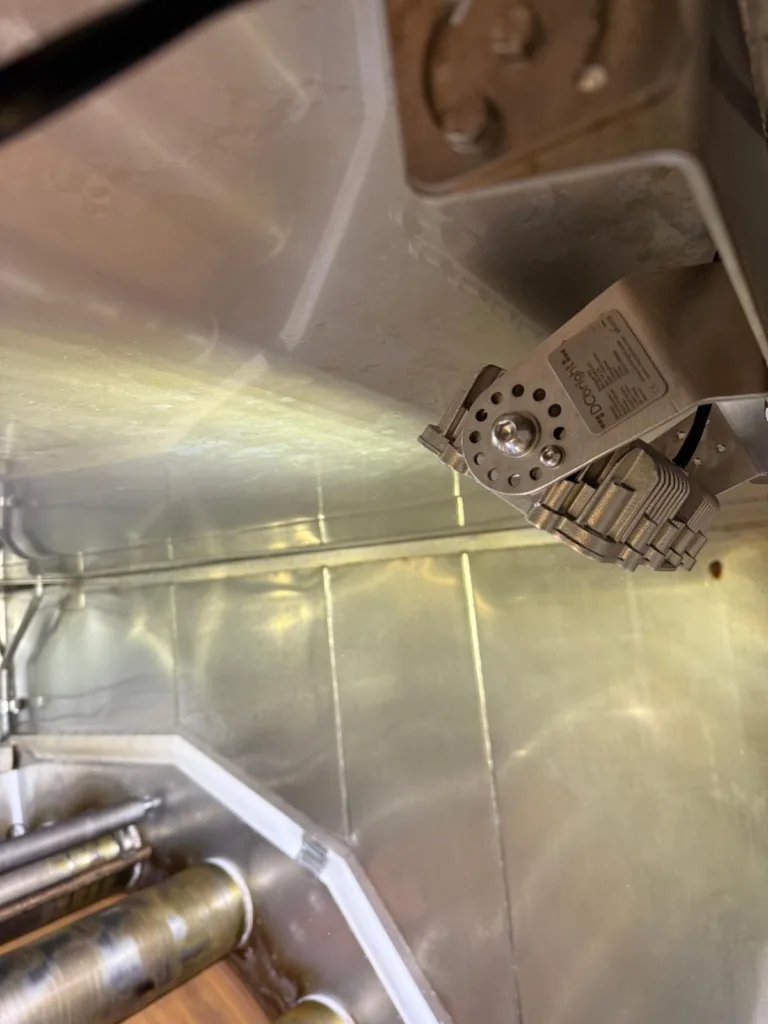
Project · Food industry
Heat-resistant lighting for Farm Frites
78 Snapper HT-SS in stainless steel with borosilicate glass, in drying tunnels, ovens and freezing tunnels from −40 to +70 °C. The light colour was chosen per zone, once it was clear which luminaire withstands the heat and the cleaning.
78
Snapper HT-SS in stainless steel with borosilicate glass, IP69K
−40 to +70 °C
freezing tunnels and cleaning
200 to 500 lux
in the oven, uniformity 0.65 to 0.85
Farm Frites, a producer of potato products with production sites worldwide, was dealing with LED lighting that repeatedly failed in its drying tunnels and production ovens. The luminaires chosen previously could not withstand the high thermal stress and the intensive cleaning routine. For the freezing tunnels, the lighting also had to operate at -40 °C and withstand +70 °C during cleaning. JEL provided the lighting design and supplied 78 Snapper HT-SS luminaires in a special food-grade version with a stainless steel housing, borosilicate glass and IP69K protection. In the oven, 200 to 500 lux is achieved.
For choosing a light colour, that is a useful starting point. A colour temperature is chosen for the task: on a production line, it is about being able to assess product and machinery properly. That choice only has value if the luminaire keeps delivering reliable light under heat, cold and cleaning.
In environments with large temperature swings, the question of light colour should therefore go hand in hand with the question of thermal design and sealing. A luminaire that fails no longer delivers any colour temperature at all, and every replacement on a production line means downtime.
Read more about the Farm Frites project
Further reading
How JEL Products Helps You Choose the Right Light Color
JEL Products helps industrial clients make the right lighting choices, from color temperature to luminaire type and installation details. As a specialist in harsh and demanding environments, JEL Products knows that the right light color only truly works if the luminaire is also technically reliable under the conditions on site.
What JEL Products offers for lighting challenges related to light color:
- Customized technical advice tailored to the specific tasks and risks in your environment
- Lighting calculations and design with the correct color temperature per zone
- Luminaires that deliver their specified color temperature stably, even in extreme heat, cold, or corrosive conditions.
- Total solutions including engineering, installation, and commissioning
- Experience in sectors such as Ports and terminals, offshore, heavy industry, and construction
Do you want to know which color temperature best suits your industrial environment? Get in touch Contact JEL Products for a no-obligation consultation.
Related Articles
- How do you compare the cost of high-temperature LEDs with traditional lamps?
- How do high temperatures affect the lifespan of industrial lamps?
- How does color rendering affect quality control in a factory?
- Why do companies choose industrial LED lighting?
- LED lighting offers several advantages in a factory setting.