

Short answer
IK and IP say nothing about vibration. There is a separate test for that: IEC 60068-2-6.
Vibrations damage industrial LED luminaires as mechanical vibrations act on the internal components: solder joints come loose, LED drivers are damaged, and fasteners weaken. This leads to premature failure, loss of light, and higher maintenance costs. In environments with machinery, vehicles, or heavy installations, vibration resistance is therefore a critical design requirement, not an afterthought. This article answers the most frequently asked questions about the impact of vibrations on industrial LED luminaires.
6 G
at resonance according to IEC 60068-2-6, tested on Snapper, Barracuda, Orca and Goby, among others
20 joule
IK10: a single impact from outside, not vibration
60068-2-27
the IEC standard for shock loads, separate from vibration
How do vibrations damage an LED luminaire from the inside?
From the outside, there is often nothing to be seen, but on the inside, a luminaire that has been exposed to vibrations for months tells a very different story. Repeated mechanical stress affects components designed for static installation. The weakest links are solder joints on the LED PCB, capacitors in the driver, and the attachment points of optical elements. Continuous vibration causes micro-cracks, which ultimately lead to intermittent or complete failure.
That is what makes vibration damage so insidious: failure seems sudden, but is actually the result of creeping degradation over weeks or months. A luminaire can look intact while its internal electronics are already severely compromised.
The most common forms of internal damage are:
- Loosened solder joints on the LED module or driver circuit board
- Damaged capacitors that greatly shorten the lifespan of the driver
- Fatigue of fastening bolts causing the luminaire to become loose
- Loose optical elements such as lenses or reflectors that disturb the light beam
- Cable breaks for penetrations subject to repeated bending
The higher the vibration frequency and the greater the amplitude, the faster this damage occurs. In environments with continuous vibration sources, a luminaire without specific vibration protection is rarely reliably deployable.
Which industrial environments cause the most vibration damage?
Not every work environment is equally demanding on lighting, but there are sectors where vibrations structurally cause problems. Consider places where heavy machinery, moving vehicles, or impact tools are continuously in operation. Cranes, forklifts, crushers, presses, hammer mills, and compressors generate vibrations that transmit directly to mounted luminaires via structures and floors.
Specific sectors and situations that are particularly demanding for lighting:
- Ports and terminals where gantry cranes, reach stackers, and container terminals are in constant motion
- Heavy industry such as steel mills and foundries, where presses and hammers cause high shock loads
- Mobile machinery and equipment such as crawler cranes, dump trucks and mining machinery
- Offshore and maritime environments with engine vibrations and waves
- Paper machines and recycling plants with rotating masses and continuous vibrations
By lighting on mobile machinery Is the problem even more pronounced because the luminaire not only experiences vibrations, but also shocks when driving over uneven terrain? This places higher demands on both the mounting and the internal construction of the luminaire.
What do IK classes and IP ratings mean for vibration resistance?
IK classes measure the impact resistance of a luminaire, expressed as the kinetic energy in joules that the housing can withstand. IP ratings describe the protection against dust and water. Both indicate something about the robustness of the housing, but they are not a direct measure of the vibration resistance of the internal electronics.
A high IK rating, such as IK08 or IK10, means that the luminaire is resistant to external mechanical impacts. This is relevant in environments where objects can strike the luminaire, but it says nothing about the performance of the driver or LED module under sustained low-amplitude vibrations from the structure.
A detailed explanation of the meaning and application of these classifications can be found on the page about IP and IK ratings. What you need to remember from this:
What the classifications do and do not say
In short: when in doubt, always ask for the specific vibration test results of a luminaire, and do not rely solely on the IK or IP rating as proof of vibration resistance.
How do you recognize a luminaire that is truly designed to be vibration-resistant?
The housing alone says insufficient, it is about what happens inside with the driver, the LED modules, and the mountings. A truly vibration-resistant LED luminaire is recognizable by specific structural choices that protect the internal components against mechanical stress.
Characteristics of a luminaire that seriously accounts for vibrations:
- Potting or encapsulated driver where the electronics are surrounded by a damping material that absorbs vibrations
- Vibration-dampening mounting points or rubber insulators between the luminaire and the structure
- Robust PCB mounting with mechanical locking in addition to soldering
- Short, sturdy cable connections that cannot resonate or break by bending
- Testing in accordance with IEC 60068-2-6 or comparable standards, demonstrably documented
- Reinforced housing made of aluminum or stainless steel with a thick wall thickness
By lighting for port cranes and other heavily loaded structures, this type of constructive attention is not a luxury but a basic requirement. Always ask suppliers for technical documentation and test results, not just a product data sheet.
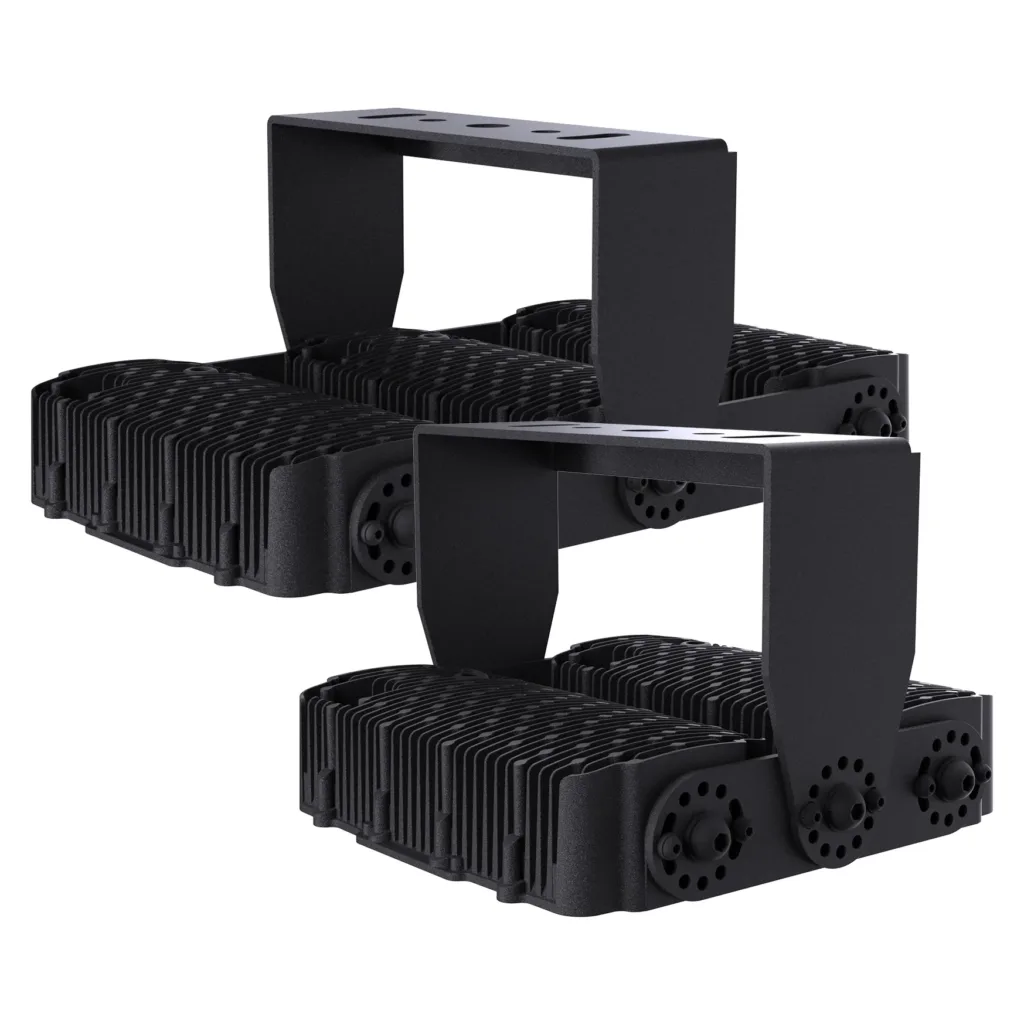
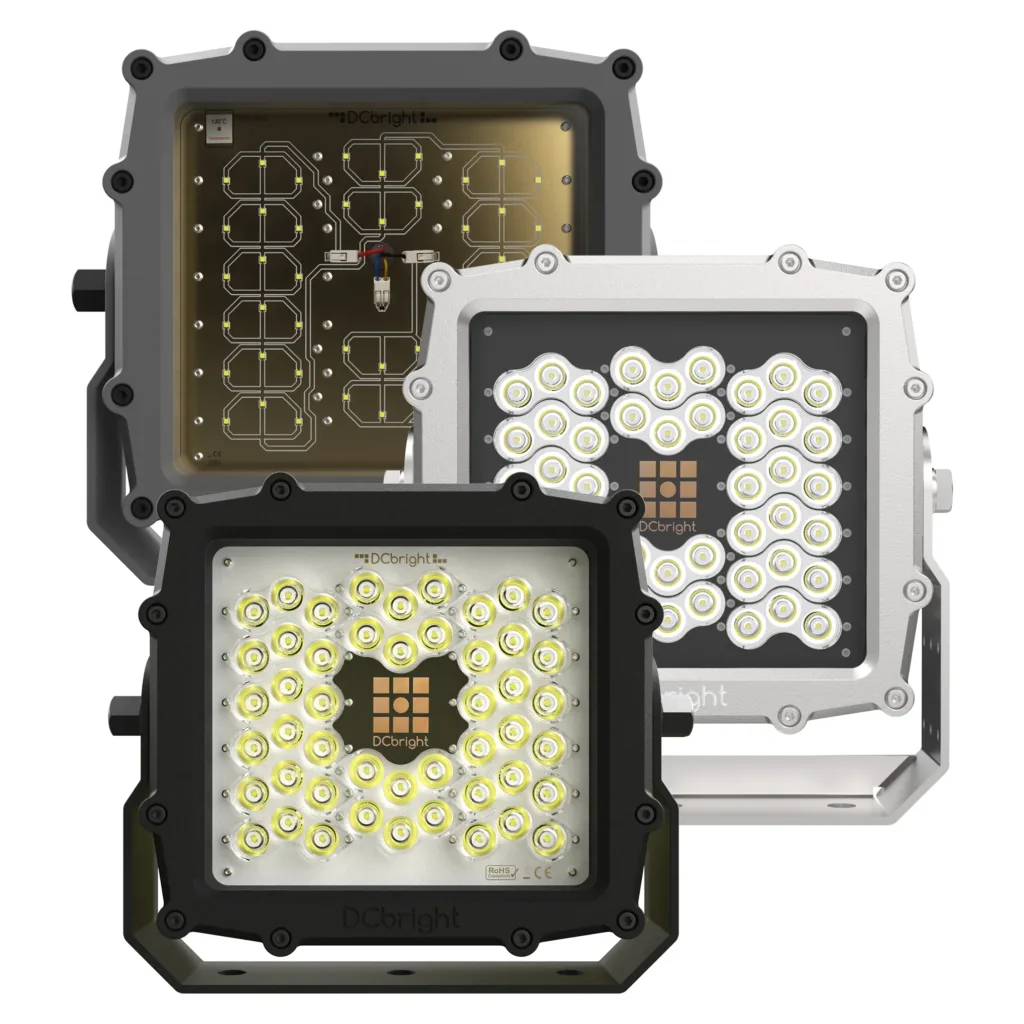
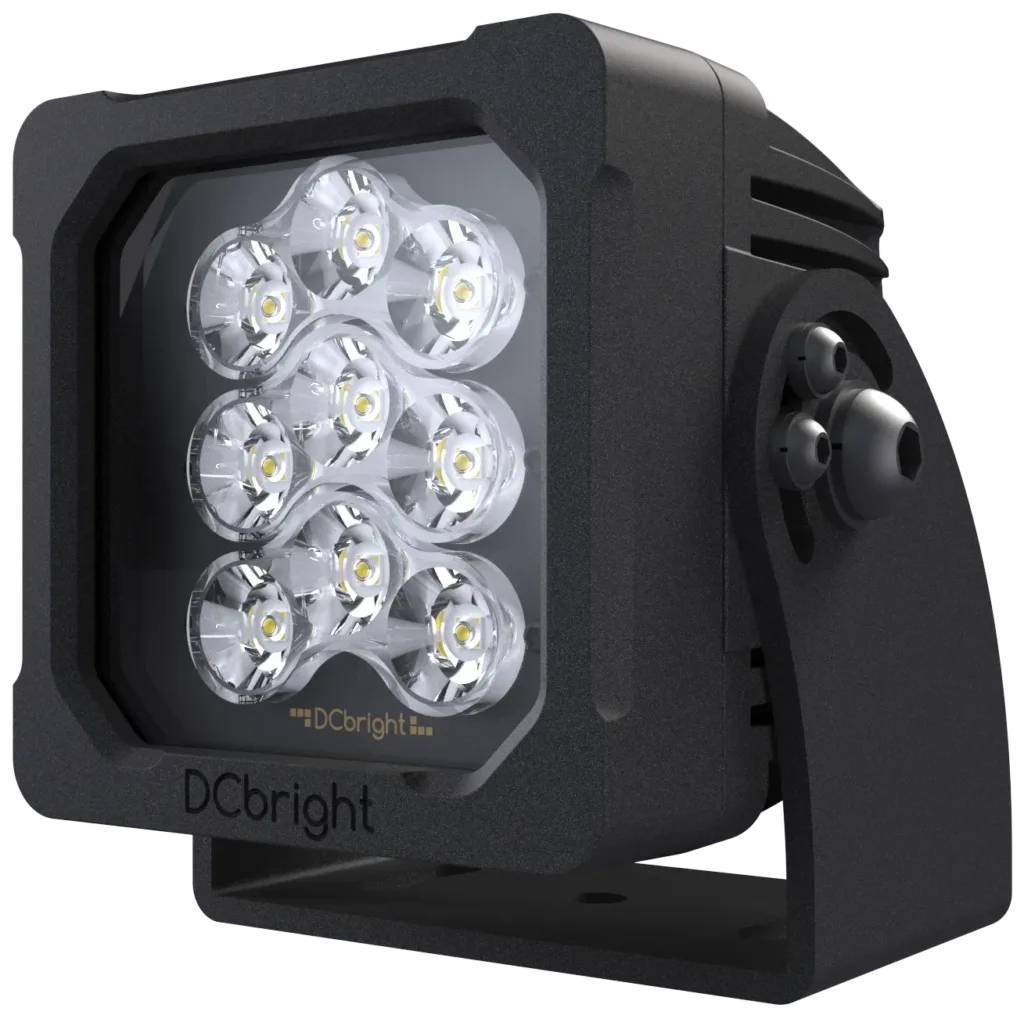
Tested to 6 G at resonance
When is the replacement of a luminaire due to vibration damage necessary?
There are concrete signals indicating that a luminaire has reached the end of its functional lifespan and repair is no longer cost-effective or safe. Waiting for things to fail completely is not a sensible strategy in most industrial environments.
Signals indicating necessary replacement:
Self-check
Is it time to replace?
If you recognise two or more signs at the same position, also have the mounting and the source of vibration assessed.
- Intermittent flickering that is not explained by a faulty driver or power supply
- Significant loss of light without an apparent cause in the environment
- Visible cracking or deformation of the housing or mounting points
- Loosened components which rattle audibly when touched or shaken
- Repeated outages shortly after replacement of the same component
Preventive replacement based on operating time and environmental load is wiser in many industrial environments than waiting for complete failure. Especially in 24/7 operations or in hard-to-reach locations, the costs of unplanned downtime outweigh those of planned maintenance. When replacing, also consider whether the new luminaire is better suited to the specific vibration load in that environment.
Vibration load
We choose the luminaire and the mounting for your source of vibration
Tell us where the luminaire will go: on a crane jib, a machine, a vehicle or a structure next to a crusher or press. We recommend a luminaire tested at resonance to 6 G according to IEC 60068-2-6, and the bracket and mounting that go with it.
Free of charge and without obligation · Response within 1 working day from an engineer
Practical example: Boskalis Bokalift 2
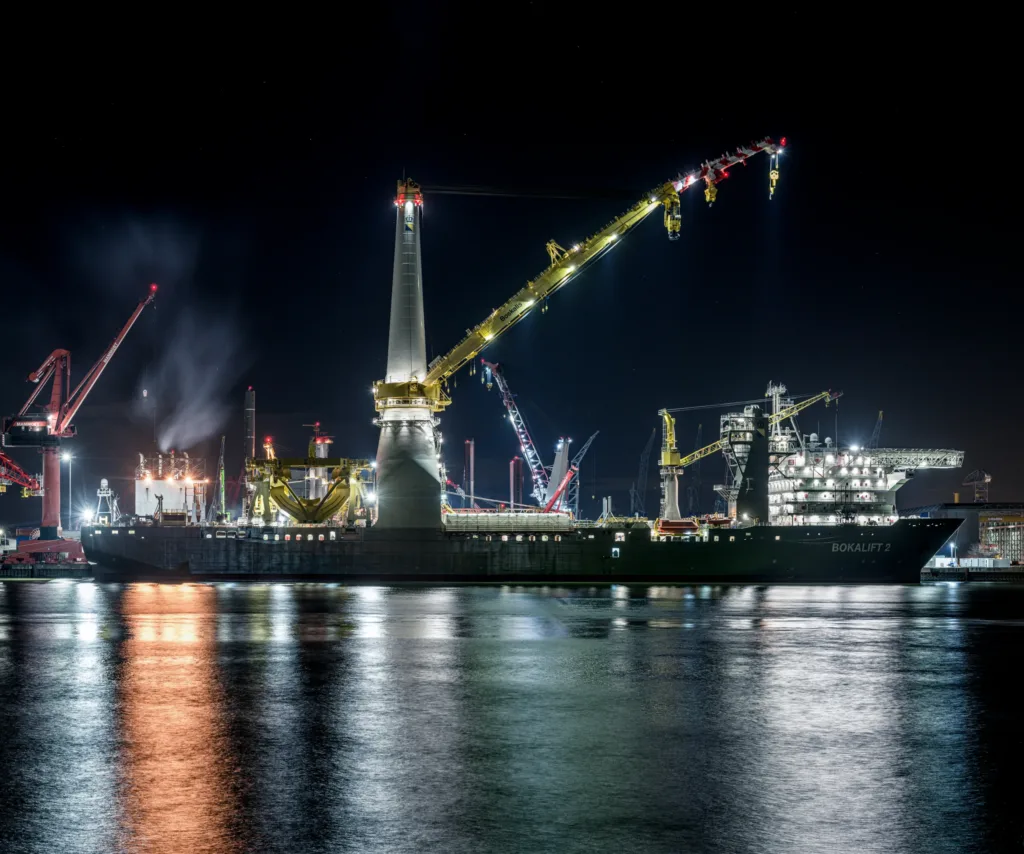
Project · Offshore and maritime
Deck and crane lighting on the Bokalift 2 crane vessel
A complete redesign of the deck and crane lighting, with overlapping beams for virtually shadow-free work light. The Crane Light Stabilizer provides automatic stabilisation. The lighting design was verified against EN 12464-2:2024.
200 lux
under the crane
0,70
uniformity at height
IP69K
luminaires near the water
The Bokalift 2 from Boskalis is an offshore heavy-lift vessel. The existing LED lighting from a well-known premium brand was incorrectly configured: because spotlights had been used, the light was too concentrated and the deck was not lit well enough for the work. JEL completely redesigned the deck and crane lighting with 4 Orca, 12 Barracuda and 16 DarkLicht DL1, supplemented by Crane Light Stabilizers for automatic stabilisation. All luminaires have a C5H marine coating, and the luminaires near the water are IP69K. The result is 200 lux under the crane, a uniformity of 0.70 in height and virtually no shadow.
On a ship, the mounting point moves constantly. A luminaire there must not only withstand the mechanical load, but also keep its beam aimed at the work area. Automatic stabilisation addresses that second part: the work area stays lit, even when the ship moves.
Robustness and lighting design should therefore be assessed together. On a heavily loaded structure, two questions apply at once: will the luminaire hold up, and does the light fall where it is needed?
Further reading
How JEL Products Helps Ensure Vibration Resistance in the Industry
JEL Products supplies LED luminaires developed specifically for the harshest industrial conditions, including environments with heavy vibration and shock loads. The luminaires are assembled in the Netherlands and custom-built where needed, with attention to the structural details that make the difference in daily practice.
What JEL Products offers for environments subject to vibration:
- Luminaires with potted drivers and mechanically reinforced internal components
- Products tested for robustness for use on cranes, heavy machinery and industrial installations
- Specialist knowledge of sectors such as Ports and terminals, offshore, heavy industry and mobile machinery
- Guidance in selecting the right luminaire based on specific environmental requirements
- Total solutions including engineering, assembly, and commissioning
Whether it is lighting for a gantry crane, a recycling plant, or a heavy-duty production machine: choosing the right luminaire starts with a good conversation about the environment and the requirements. Get in touch Contact JEL Products for personalized advice.
Related Articles
- What is the difference between new terminal lighting and a retrofit project?
- How do you protect terminal lighting against lightning and power surges?
- Why is lighting in ports often only addressed after malfunctions?
- What does IP65 or IP66 mean for industrial LED lighting?
- What types of lighting are used in harbors?