

Short answer
A freezer luminaire has to start in the cold, withstand condensation every time the door opens and survive cleaning.
For use in a freezer, you need LED lighting that reliably functions at temperatures down to at least -13°F, and in freezing environments even up to -45 °C. Ordinary LED luminaires are not designed for this and can fail due to condensation, material splintering, or driver issues in extreme cold. In this article, we answer the most frequently asked questions about selecting the right lighting for freezer and cold storage environments.
−25 °C
standard frozen storage
−45 °C
deep freeze and climate chambers, and the minimum of every JEL luminaire
IP66
or higher, because of condensation and cleaning
What temperatures should LED lighting in a freezer cell be able to withstand?
Not every LED lamp is suitable for extreme cold. For standard freezer storage, a minimum of -13°F, but for industrial climate chambers, freezer units, or test environments, the requirement can even go up to -45 °C. The housing, the driver, and the seals must all be designed for such conditions.
At low temperatures, the properties of materials change significantly. Plastic housings can become brittle, rubber seals lose their elasticity, and standard LED drivers may have difficulty starting up in the cold. Luminaires specifically developed for cold environments use materials that remain flexible and firm even at negative temperatures.
An additional point of attention is the temperature difference when opening doors. Warm outside air flows into the cell, which can cause condensation on the luminaire. The lighting must be able to withstand this repeatedly without moisture ingress or damage to the electronics. More information about luminaires specifically developed for extreme temperature ranges can be found on the page about Lighting for climate chambers.
| Room | Temperature and main stress |
|---|---|
| Cold room | −2 to +8 °C. Condensation every time the door opens is the main stress. |
| Freezer room | −18 to −25 °C. The driver has to start immediately at this temperature. |
| Deep freeze, freezing tunnel and climate chamber | Down to −45 °C, sometimes with cleaning at high temperature. Then the temperature change counts as well. |
What are the IP and IK requirements for luminaires in freezing environments?
The minimum illumination in a freezer cell is IP65 rating, but in practice, IP66 or higher is recommended. This protects the luminaire from water jets and condensation. The IK value indicates impact resistance; for environments with forklifts, pallet trucks, or other mechanical stress, a minimum of IK08 recommended.
In cold environments, high-pressure cleaners are regularly used for cleaning. An IP65 luminaire offers protection against water jets from a fixed direction, but for aggressive cleaning with varying angles, IP66 or IP67 is safer. IP67 also offers protection against temporary immersion, which can be relevant when cleaning floors and walls directly around the luminaires.
The IK value is at least as important as the IP value in practice. A luminaire that is resistant to mechanical shocks will last longer in a busy storage environment. Read more about what these classifications mean on the page about IP and IK rating.
How does lighting for a freezer differ from ordinary industrial lighting?
There are several significant differences between freezer lighting and standard industrial lighting. The biggest ones lie in the Temperature resistance of the housing and driver, the choice of sealing materials, and how the luminaire handles condensation. Ordinary industrial luminaires are designed for room temperature or elevated temperatures,not for sustained freezing conditions.
In addition, startup behavior plays a role. Standard LED drivers may have slower start-up times or even temporary failures at low temperatures. Luminaires for freezing environments are equipped with drivers that start up reliably and immediately, even at -25 °C or below. This is essential in environments where lighting must be immediately available upon opening a door or switching on a room.
Finally, the mounting materials and brackets for freezer cell luminaires are often made of stainless steel or specially coated metal. In cold environments, corrosion due to condensation is a real risk, and standard steel brackets can rust and detach in a short time.
What light color and lumen output is ideal for work in a freezer room?
For active work zones in a cold room, cool white light from 4000K to 5000K most suitable. This color temperature provides a bright, sharp display of products, labels, and floor markings. The required lumen output depends on the height of the room and the activities taking place, but for active work zones, at least 300 lux recommended.
A higher color temperature (5000K or more) is sometimes used to keep employees alert in cold, monotonous environments. This can contribute to concentration and safety during repetitive tasks. For storage areas without permanent work zones, a lower light output may suffice, but for areas where products are picked, checked, or labeled, sufficient illuminance is essential.
Do you want to know how to calculate the correct lumen output for your situation? The page about Luminous flux and lumens provides a clear explanation of the basic principles.
Why do anti-glare optics matter in freezer and cold storage environments?
Employees in freezer and cold storage environments often work in narrow aisles, looking up to pick products or read labels. This is precisely why non-glare optics are especially important here. Direct glare from luminaires at eye level or above reduces visibility and increases the risk of errors or accidents.
In cold environments, employees also wear protective clothing, including hoods or helmets, which already restrict the field of vision. A luminaire with a well-controlled light beam ensures that the light is directed precisely where it is needed, without dazzling bystanders or colleagues in neighboring aisles.
Non-glare optics also contribute to a lower UGR value (Unified Glare Rating). For workspaces, many standards stipulate a maximum UGR of 22 or lower. Luminaires with a good UGR value are not only more comfortable but also comply with the occupational health and safety requirements applicable to workplace lighting.
Freezer or climate chamber
We choose the luminaire for the lowest temperature and for the cleaning
Send us the lowest temperature in the room, the height, how it is cleaned and at what temperature. You receive a luminaire choice that starts in the cold and withstands the temperature change during cleaning, plus a lighting calculation per aisle.
Free of charge and without obligation · Response within 1 working day from an engineer
How to choose the right LED luminaire for a specific cold storage or climate chamber?
The right LED lighting luminaire for a cold storage room is chosen based on five factors: the minimum operating temperature, the required IP and IK rating, the desired light output and color temperature, the mounting method, and the cleaning method used in the room. Each of these factors contributes to determining which luminaire is suitable for your specific situation.
Go through the following steps during the selection process:
| Step | What you record |
|---|---|
| Determine the minimum operating temperature | from space. Is this a cool store (-2 °C to +8 °C), a freezer store (-18 °C to -25 °C), or a climate chamber with more extreme values? |
| Establish IP and IK requirements | based on cleaning protocols and mechanical stress in space. |
| Calculate the required illuminance | based on the activities: storage, order picking, production, or inspection. |
| Choose the correct mounting option | ceiling mount, wall mount, or pendant mount, depending on the construction of the cold room. |
| Check the material selection | housing and fasteners for corrosion resistance and suitability for low temperatures. |
In addition to these technical criteria, it is also wise to consider the warranty conditions and the lifespan of the luminaire. A luminaire that lasts longer and requires less maintenance will have a lower total cost of ownership, even if the purchase price is higher.
Operating temperature from −45 °C
Practical example: Farm Frites
Project · Food industry
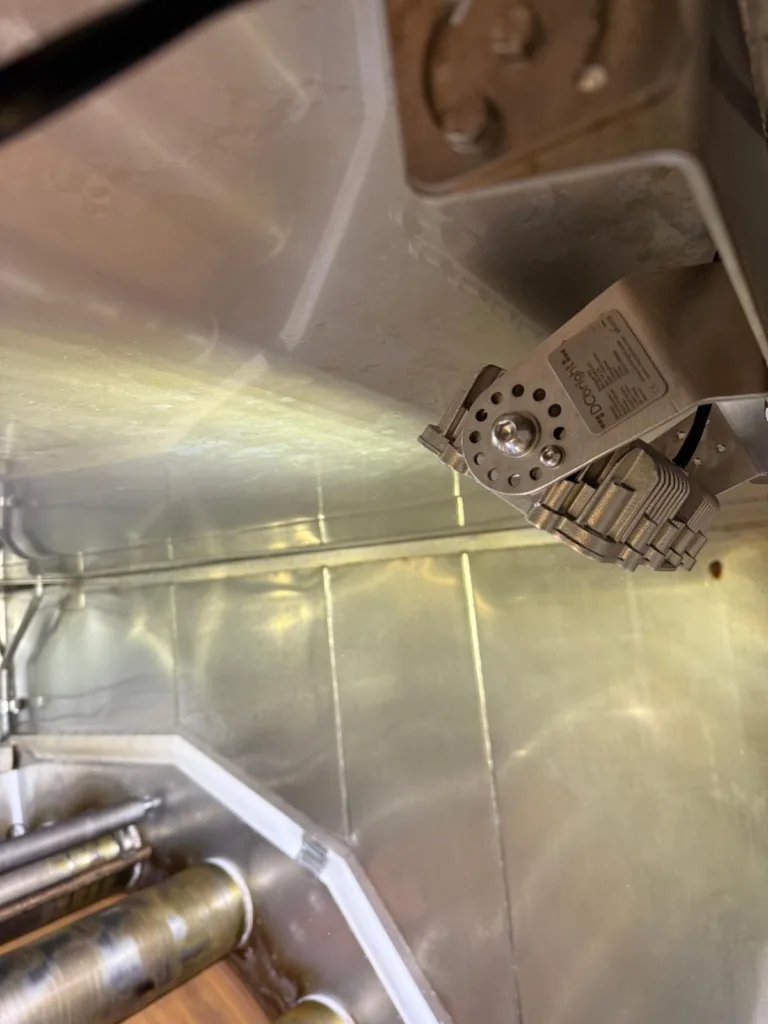
Freezing tunnels, drying tunnels and ovens at Farm Frites
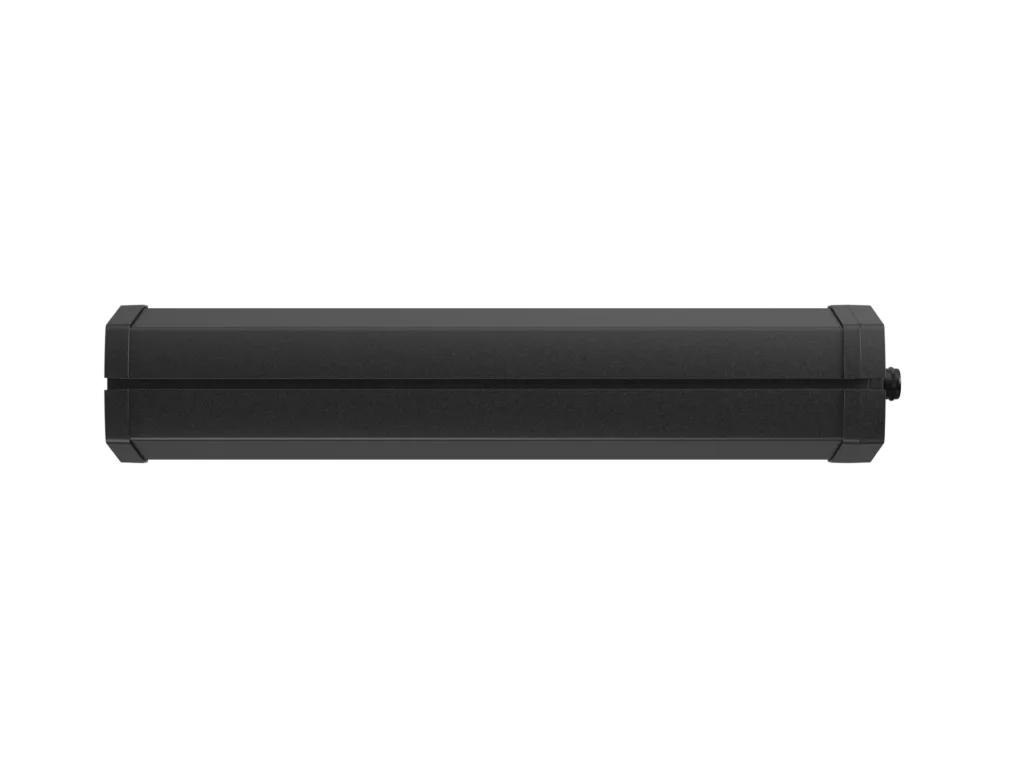
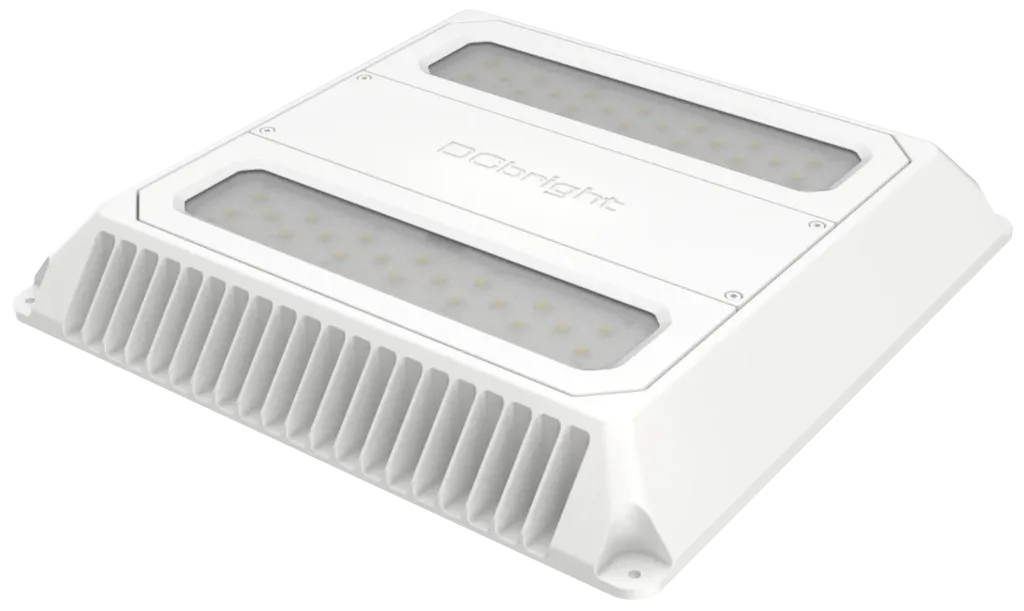
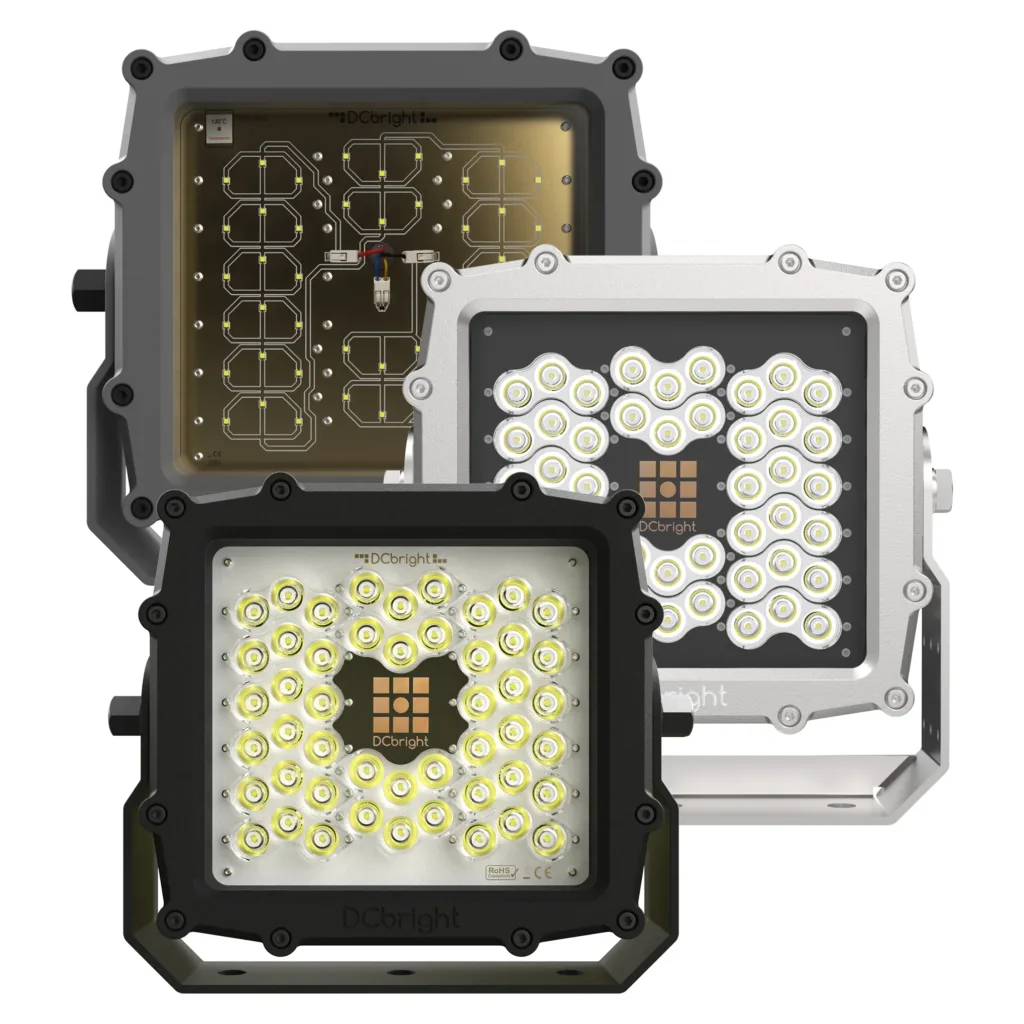
A custom version of the stainless steel Snapper HT, with borosilicate glass and IP69K. In the freezing tunnels the luminaire operates at −40 °C and withstands +70 °C during cleaning.
78
Snapper HT-SS luminaires
−40 to +70 °C
temperature range in the freezing tunnels, including cleaning
IP69K
high-pressure cleaning
Farm Frites, a producer of potato products with production sites worldwide, was dealing with LED lighting that repeatedly failed in its drying tunnels and production ovens, due to high thermal stress and an intensive cleaning routine. JEL was also asked to offer a solution for the freezing tunnels. There, the luminaire had to operate at -40 °C and withstand +70 °C during the cleaning processes. JEL provided the lighting design, the engineering of a custom luminaire and the installation design, and supplied 78 Snapper HT-SS luminaires with a stainless steel housing, borosilicate glass and IP69K protection.
In a freezing zone, the lowest temperature is rarely the only load. If cleaning is done at high pressure and with warm water, the luminaire has to cope with a large temperature difference within a short time. Glass, seals and housing must withstand that change again and again without cracking or letting in moisture.
Choosing lighting for a freezer room therefore means looking at the whole cycle: the operating temperature, the cleaning method and the temperature during cleaning. A specification that only states the minimum temperature leaves the toughest moments out of consideration.
Read more about the Farm Frites project
Further reading
How JEL Products Provides Lighting for Freezer and Refrigerated Environments
JEL Products supplies industrial LED lighting specifically designed for extreme conditions, including freezing environments and climate chambers from -45 °C, and with the HT line up to +120 °C. The luminaires are designed and produced in the Netherlands, with attention to quality, material selection, and technical performance that withstands where standard lighting fails.
What JEL Products offers for freezer and refrigeration environments:
- Luminaires with a guaranteed operating range down to -45 °C, including reliable startup at low temperatures
- High IP and IK ratings suitable for high-pressure cleaning and mechanical stress
- Non-glare optics for safe and comfortable work in narrow, cold spaces
- Enclosures and fasteners in corrosion-resistant material
- Complete custom lighting advice, including lighting calculations and luminaire selection tailored to your specific cold room or climate chamber
Would you like to know which luminaire best suits your situation? Get in touch with the specialists at JEL Products for a no-obligation consultation.
Related Articles
- What lighting standards apply to hot industrial work environments?
- What role does lighting play in the safety of evacuation routes during heatwaves?
- Can smart lighting work in extreme heat environments?
- What should you check upon delivery of high-temperature lighting fixtures?
- What LED lighting is suitable for a large distribution hall?